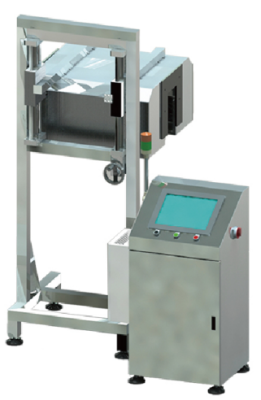
Can Level Detection: Complete Guide for Beverage Manufacturers
Can level detection is one of the most important quality control processes in modern beverage production lines. It ensures that every aluminum can, tin can, and metal can is filled to the correct volume, avoiding under‑filling, over‑filling, foam overflow, and product waste. Without reliable can level detection, factories face customer complaints, market returns, customs non‑compliance, and profit loss.
Today’s automatic can level detection machines use non‑contact sensing technologies such as photoelectric sensors, ultrasonic sensors, laser sensors, and machine vision systems. These technologies inspect liquid levels at high speed without touching cans, making them suitable for high‑speed production lines of 30,000 to 120,000 cans per hour.
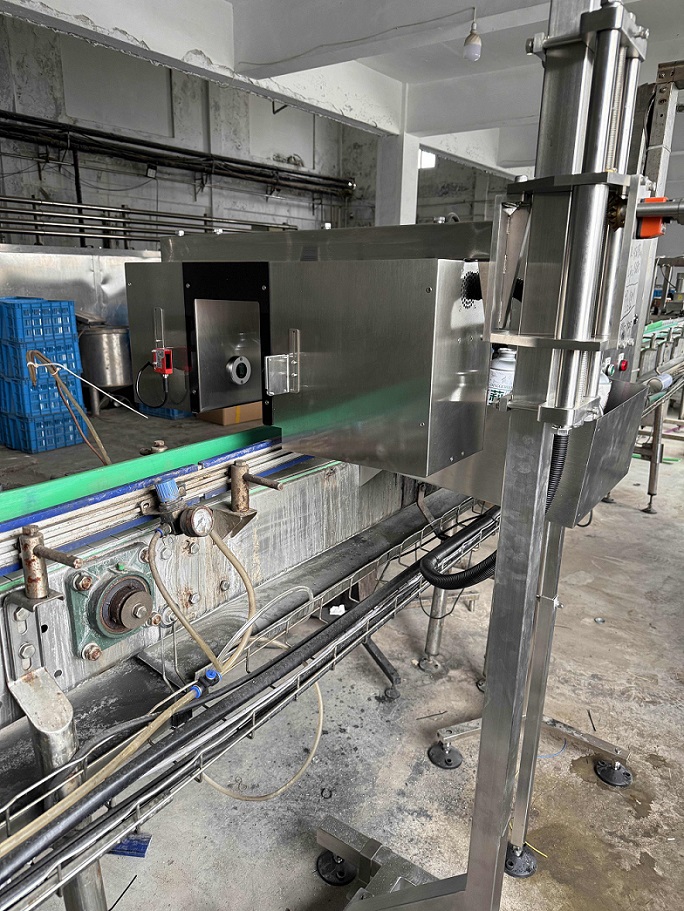
The main purpose of can level detection is to guarantee net content compliance. Under‑filled cans violate labeling laws, while over‑filled cans cause leakage, packaging damage, and hygiene risks. Automatic detection systems reject defective cans in real time and generate production statistics for quality traceability.
For export‑oriented beverage factories in Africa, Southeast Asia, the Middle East, and Latin America, Chinese can level detection equipment offers high stability, affordable cost, easy operation, and international certifications including CE, FDA, and RoHS. These features make Chinese machines the top choice for global beverage producers.