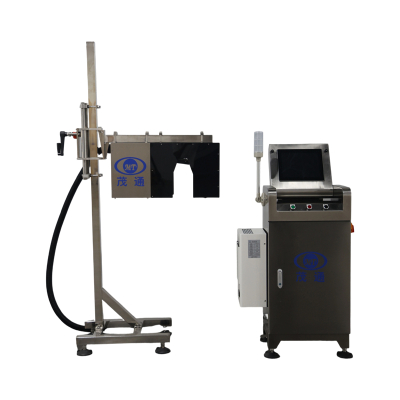
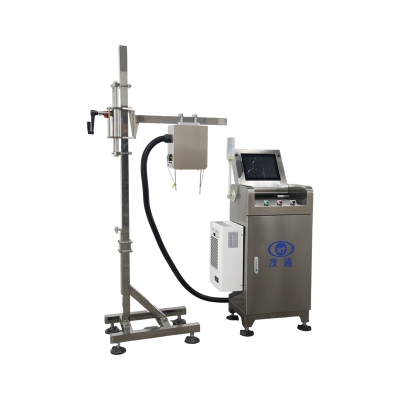
Choose a Glass Bottle Liquid Level Detection Machine for 1000 BPM Lines
Consistent fill level is one of the simplest signals buyers use to judge packaging quality—yet it’s also one of the easiest specs to lose during speed ramps, shift changes, or container variations. A Glass Bottle Liquid Level Detection Machine is typically selected to make that risk visible in real time, without slowing the line. This guide summarizes what is stated for the Glass Bottle Liquid Level Detection Machine and what procurement teams usually confirm before integrating a Glass Bottle Liquid Level Detection Machine on a single-lane glass bottle conveyor.

Project snapshot for Glass Bottle Liquid Level Detection Machine
The product is described as a Glass Bottle Liquid Level Online Inspection Machine that uses machine vision to perform fully automatic, non-contact online inspection focused on low liquid level defects. In a typical line layout, the Glass Bottle Liquid Level Detection Machine is positioned after the filler, where a clear liquid level boundary can be seen.
For quick comparison during vendor shortlisting, the parameters below are the stated baseline for this Glass Bottle Liquid Level Detection Machine.
| Item | Stated configuration |
|---|---|
| Project name | Glass Bottle Liquid Level Online Inspection Machine |
| Equipment model | Glass Bottle Liquid Level Detection Machine |
| Applicable containers | Glass bottles |
| Product capacity range | 100 mL to 1000 mL |
| Rated output (standard configuration) | 1000 bottles/minute |
| Inspection method | Fully automatic, non-contact |
| Primary detection function | Low liquid level detection |
| Installation position | Single-lane conveyor after the filler (liquid level stratification required) |
| Defect handling | Automatic online rejection |
When buyers compare a Glass Bottle Liquid Level Detection Machine across multiple lines, one of the first filters is simple: whether the packaging line speed does not exceed 1000 bottles/minute (the stated compatible range for the Glass Bottle Liquid Level Detection Machine standard configuration).
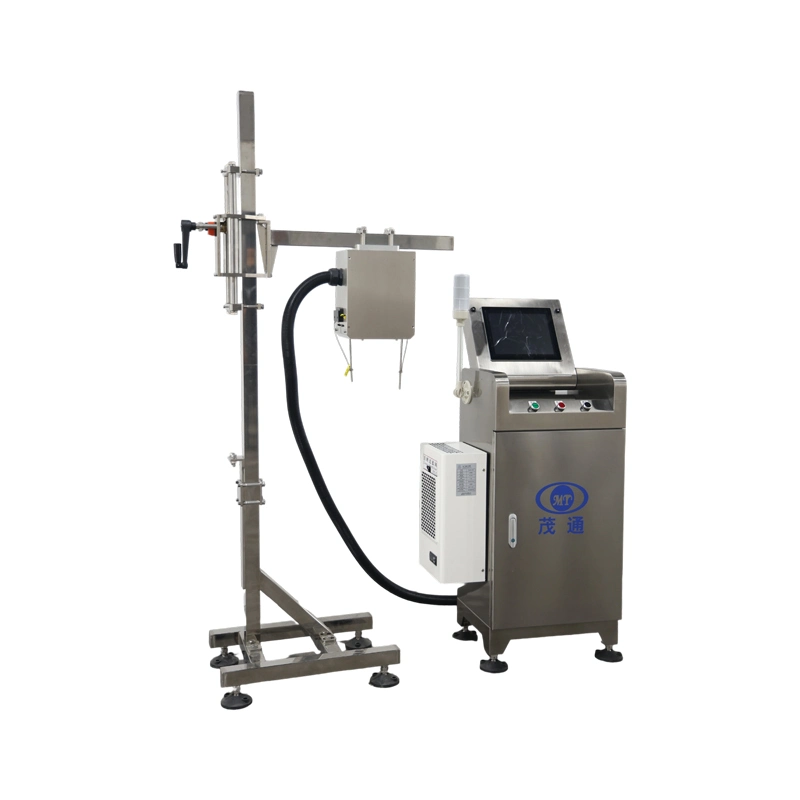
How inline inspection and rejection are described
The Glass Bottle Liquid Level Detection Machine is described as using a workstation-mounted camera to capture bottle images and analyze liquid level. Unlike contact-based checks, this Glass Bottle Liquid Level Detection Machine relies on visibility of the liquid level boundary at the inspection position.
A representative inline process description includes these steps:

For integrators, the key takeaway is operational rather than theoretical: this Glass Bottle Liquid Level Detection Machine depends on stable bottle tracking and a clearly stratified liquid level boundary to support reliable online rejection.
Detection module performance targets to verify
Procurement teams typically ask for two things from a Glass Bottle Liquid Level Detection Machine: how tightly it can detect a low fill condition and how consistently it can reject defects without disrupting good product flow.
The stated detection module parameters are:
| Test item | Detection content | Detection accuracy | Rejection rate | False rejection rate |
|---|---|---|---|---|
| Liquid level test | Low liquid level detection | ±2 mm | ≥99.9% | ≤0.05% |
For a buyer evaluating a Glass Bottle Liquid Level Detection Machine, these values are usually mapped to the site’s own quality limits and line stability (container variability, lighting, and the clarity of the liquid level boundary at speed).
Line conditions and utilities that determine integration success
A Glass Bottle Liquid Level Detection Machine can only run as intended if the conveyor geometry and utilities match the stated requirements. The installation location requirements described include:
Environmental and electrical parameters described for operation include:
Special voltage requirements are noted as needing confirmation in advance, as specifications, delivery time, and price may vary. Storage guidance is also described: after arrival, equipment and parts should be stored under compliant conditions, with lubrication and maintenance during storage to help prevent surface damage or deformation that could affect installation and commissioning.
Selection notes buyers usually apply on glass bottle lines
When a Glass Bottle Liquid Level Detection Machine is purchased for a new or upgraded glass bottle line, buyers commonly align procurement checks with three practical questions:
For those comparing solutions across broader quality checkpoints, a Glass Bottle Liquid Level Detection Machine may be evaluated alongside other inline inspection equipment such as a Cap and Liquid Level Inspection Machine, depending on where the line’s highest packaging risk sits.
To review the stated Glass Bottle Liquid Level Detection Machine configuration in full, see the Glass Bottle Liquid Level Detection Machine page.