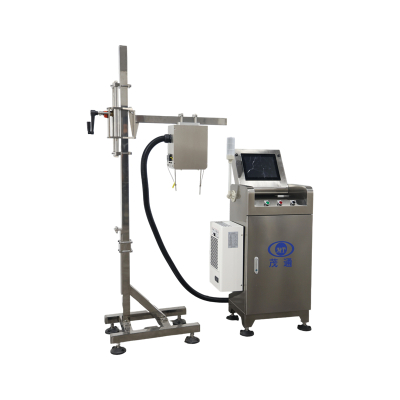
Audit Ready Cartons With Tetra Pak Straw Pipette Detection
In high-volume paper-packaged beverage operations, a single missed detail—like an unreadable inkjet code or a missing straw—can quickly turn into traceability headaches, rework, and customer complaints. Tetra Pak Straw Pipette Detection is positioned to address these two checks in one inline station: verifying inkjet printing quality and confirming straw presence, then rejecting defective packages automatically without stopping normal production flow.

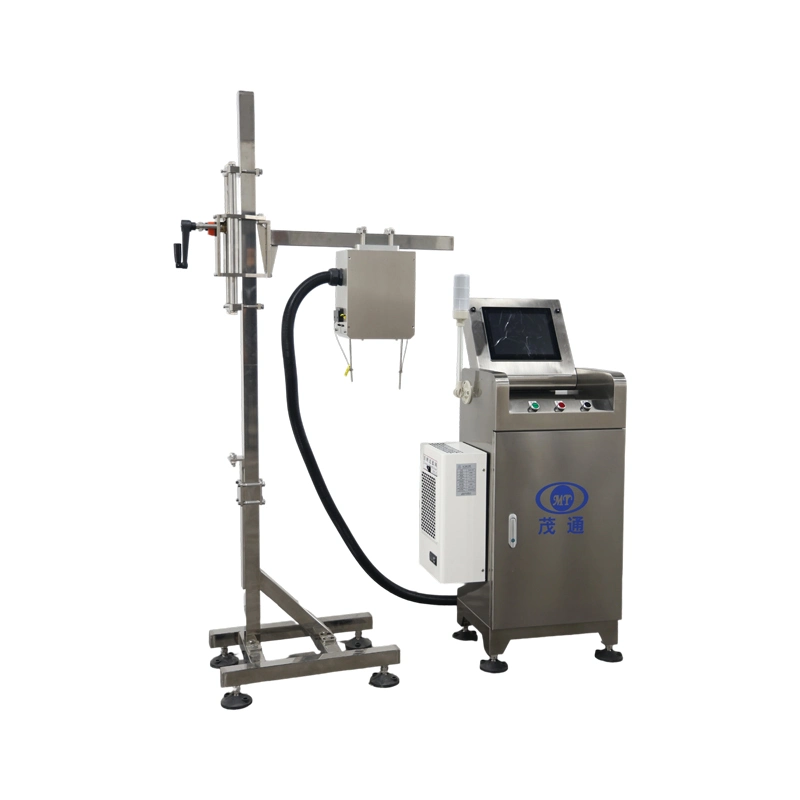
Application range on paper-packaged beverage production lines
Tetra Pak Straw Pipette Detection is described for paper-packaged beverage production lines that need continuous inspection after straw application. Typical installation is 0.5–1.0 meters downstream of the straw applicator, so the carton can be evaluated after the straw is attached.
At the center of the configuration is the Tetra Pak Straw Pipette Detection inspection system, specified with:
For buyers comparing options, the IP65 rating is often a practical indicator that the equipment is intended for industrial environments where washdown protection and stable operation matter.
What defects the system checks in one pass
The inspection scope combines inkjet-code verification with straw presence checks, which helps keep Tetra Pak Straw Pipette Detection aligned to common carton-line quality risks.
Inkjet printing inspection
Inkjet printing inspection covers situations such as:
Straw inspection
For teams that already have separate checks for coding and straw integrity, a single inline station can simplify how defects are captured and handled—especially when the outcome is a direct reject decision.
How Tetra Pak Straw Pipette Detection works inline
The operating flow of Tetra Pak Straw Pipette Detection is built around a straightforward chain of devices used in real time:

Readers who want adjacent system context typically review related pages such as Tetra Pak Detection Machine and Tetra Pak Printing Inspection, which describe the same camera–processor–HMI–rejector structure.
Deep learning model changeover approach
A key design point of Tetra Pak Straw Pipette Detection is its deep learning algorithm principle: it is intended to minimize manual intervention. For on-site model changes, approximately 300 product images are collected, and the data model is constructed and trained to cover the product types needed.
Operationally, the system also supports daily storage of defective-product images, with an adjustable retention duration. This can help quality teams review defect patterns and confirm that inspection results are tracking to expectations over time.
Key technical advantages buyers typically evaluate
Lower dependence on manual inspection
On fast carton lines, routine visual checks can be repetitive and inconsistent. Tetra Pak Straw Pipette Detection is framed as a way to reduce manual inspection requirements by applying fixed criteria continuously and rejecting defective packages automatically.
Stable high-speed inspection and rejection
With a stated maximum speed of 24,000 packages per hour, Tetra Pak Straw Pipette Detection is intended for continuous operation on paper-packaged beverage lines. The encoder-based counting and tracking method is described to support rejection accuracy even when the conveyor speed changes or the line temporarily stops.
The broader operating feature set includes continuous rejection capability, emergency line-stop control, and industrial cooling and air conditioning intended to reduce crashes or false alarms during extended operation in high-temperature environments.
Alignment with manufacturer technical standards
Where large batches are involved, consistent inspection criteria matter. Tetra Pak Straw Pipette Detection applies automated image analysis using its inspection model, and its stored defect images support ongoing quality monitoring and review.
Inspection performance figures for Tetra Pak Straw Pipette Detection
The following figures are provided as theoretical experimental performance for the Tetra Pak Straw Pipette Detection inspection system.
| Inspection item | Testing condition | Rejection rate | False kick rate |
|---|---|---|---|
| Inkjet printing inspection | — | — | ≤ 0.03% |
| No inkjet printing (missing code, reversed package) | — | ≥ 99.99% | — |
| Missing or blurred inkjet printing | Overall code missing > 50% | ≥ 99.99% | — |
| Missing or blurred inkjet printing | Overall code missing > 30% | ≥ 99.96% | — |
| Incorrect inkjet printing | Characters unreadable to the human eye | ≥ 99.93% | — |
| Position offset / deformation | Elongation or shortening; incorrect date/factory/security code | ≥ 99.99% | — |
| Duplicate code | Exceeding the expansion zone | ≥ 99.99% | — |
| Straw inspection | No straw | ≥ 99.99% | ≤ 0.01% |