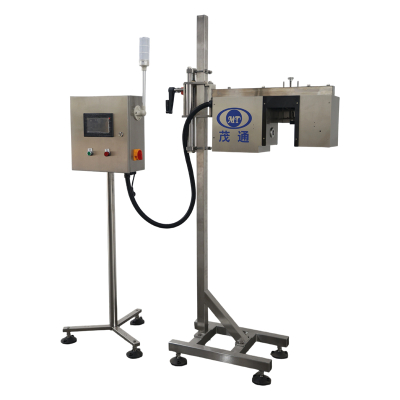
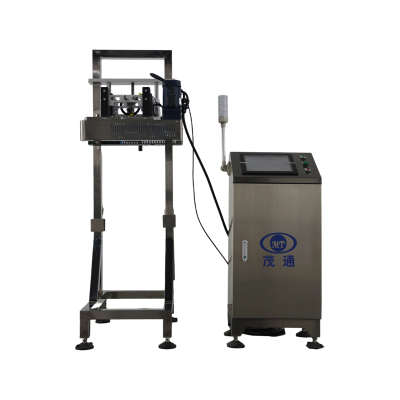
Choose a Tetra Pak Detection Machine That Fits Your Carton Line
A Tetra Pak Detection Machine is often evaluated by beverage and dairy producers as part of an inline quality strategy for carton packaging—especially when buyers want clearer inspection coverage, better line consistency, and fewer downstream surprises. Because “Tetra Pak Detection Machine” can mean different inspection scopes depending on a supplier’s configuration and on-site requirements, procurement teams typically start by clarifying what must be checked, where it must be checked, and how the line should handle nonconforming cartons.

Map the product categories before you define the scope
Many buyers narrow down a Tetra Pak Detection Machine project by first mapping inspection goals to clear equipment categories. In practice, that helps avoid overbuying, underbuying, or selecting the right function but the wrong integration approach.
On this site, the related categories are presented as:
•line-side vision integration for carton packaging processes

Inspection scope mapping helps buyers define the right checkpoints.
That category map matters because the phrase itself does not always point to one standard machine. One supplier may use it to mean a code-reading station focused on OCR or OCV tasks, while another may use it to describe a broader visual checkpoint that also verifies straw application, package orientation, or downstream reject confirmation. If the team does not separate these objectives early, the specification can become vague, and vague specifications usually lead to inconsistent quotations, integration gaps, and disappointing commissioning results.
What buyers usually want to check
For many beverage and dairy lines, the first practical question is not the machine name but the defect list. Buyers often begin by asking which carton conditions create the highest risk for complaints, rework, traceability issues, or retailer rejection. That discussion normally shapes camera placement, lighting strategy, software rules, reject timing, and line interface requirements.
Typical inspection targets
When the main concern is code quality, buyers typically need to decide whether the line only needs presence detection or whether it must also judge legibility, format, and pass/fail thresholds. When the main concern is straw inspection, teams usually define whether they need simple presence confirmation or more detailed checks such as angle, adhesion position, duplication, or partial detachment. These choices affect system complexity far more than the general product label does.
Where the machine should sit on the line
Inline inspection performance depends heavily on installation position. A well-selected vision system can still underperform if it is placed after unstable transport, before the print stabilizes, or in a location with vibration, glare, or carton spacing issues. Buyers usually benefit from mapping the full carton journey before they compare quotations.
A supplier may present strong camera specifications, but line suitability still depends on spacing tolerance, encoder or trigger logic, product mix, washdown expectations, and the surrounding mechanical environment. Buyers who document these constraints early often receive much more comparable proposals.
How nonconforming cartons should be handled
Another important part of the scope is defect handling. Some lines only need an alarm and image log for operator review. Others require automatic rejection with confirmation that the failed carton was actually removed. This difference affects hardware selection, controls integration, buffer design, and traceability expectations.
In procurement discussions, it helps to define whether the system must support:
Clarity here prevents a common problem: a machine that detects defects correctly but does not fit the plant’s preferred response logic. For high-speed environments, the reject mechanism and software timing are often just as important as the visual algorithm itself.