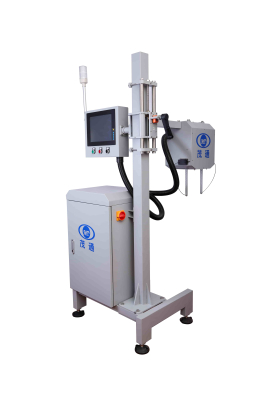
What to Check Before Buying a Tetra Pak Detection Machine
Procurement teams usually start looking for a Tetra Pak Detection Machine when two checkpoints begin to drive customer complaints and rework: hard-to-read carton codes and inconsistent straw placement. The right inspection approach depends less on buzzwords and more on clear, line-specific requirements—what you need to detect, where you need to detect it, and how you want to handle nonconforming packs.
In practice, a Tetra Pak Detection Machine is often evaluated as part of a broader inline quality control strategy that may include code inspection, straw position detection, cap inspection, and other carton checks. The goal is to keep packaging presentation consistent while maintaining traceability and downstream packing efficiency.

Where a Tetra Pak Detection Machine Usually Fits on the Line
A Tetra Pak Detection Machine is typically considered near the point where printed information and straw placement are already stable and repeatable. Buyers often map the inspection scope to the process sequence, then confirm where physical access, lighting conditions, and pack stability are best.
When you start comparing options, it helps to separate “inspection scope” from “line integration.” Inspection scope defines what is being evaluated (e.g., codes, straw placement). Line integration defines how the inspection unit will sit with conveyors, spacing, and any downstream handling of rejected packs.
For buyers who want to review related solution categories, the following pages are commonly used as reference points during early-stage specification:
Defining the Inspection Scope Without Overbuying
The most common mistake in specifying a Tetra Pak Detection Machine is keeping the scope vague. “Check the code” can mean many different acceptance criteria, and “check the straw” may refer to presence only or placement within an expected area.
Carton code inspection
Carton coding is often inspected for basic production readiness—whether essential printed information appears where it should and remains legible enough for operations.
A procurement-friendly way to document your needs is to list:
If your sourcing process requires a dedicated category view, buyers often start from a code-focused page such as Tetra Pak Code Inspection Machine and then align the project scope to their own line realities.
Straw position checks
For straw-equipped cartons, straw-related checks are usually specified as either (1) straw presence or (2) straw placement relative to the intended carton area.
Where straw placement is part of the acceptance criteria, the inspection discussion should include carton orientation consistency and how your line holds positional tolerances at speed. Buyers comparing a Tetra Pak Detection Machine for this use case often review straw-related solution categories such as Tetra Pak Straw Position Detection.

Equipment Configuration Details That Affect Inspection Accuracy
Even when the inspection scope is clear, a Tetra Pak Detection Machine still needs stable conditions to be meaningful. Most buyer-side commissioning issues come from integration details rather than inspection logic.
Key configuration points typically reviewed during technical discussions include:
When teams treat “accuracy” as a system property—pack handling + optics + acceptance criteria + downstream actions—the Tetra Pak Detection Machine evaluation becomes much more predictable.
Planning the Reject and Handling Concept Early
A Tetra Pak Detection Machine is often purchased with the expectation of removing nonconforming packs before they reach packing and shipment. To avoid late-stage surprises, procurement teams usually ask for a clear handling concept:
If your carton format includes caps, a related category sometimes considered in the same project scope is Cap Inspection For Tetra Pak Bags.
A Buyer Checklist for Comparing a Tetra Pak Detection Machine
Before you finalize a purchase, build a short, testable checklist and use it consistently across suppliers. For a Tetra Pak Detection Machine, buyers commonly include:
A Tetra Pak Detection Machine that meets your scope on paper but cannot be integrated cleanly into your conveyor reality is rarely a cost-effective choice.