How to Detect Leaks in Canned Plant-Based Protein Drinks
This presents a highly practical and critical issue regarding production and quality control. Detecting leaks in canned plant-based protein beverages—such as soy milk, almond milk, oat milk, and similar products—requires a multi-pronged approach, given the unique composition and characteristics of these products (which contain proteins, fats, and potentially fibers, and in some cases, require cold-chain storage).
The following outlines a comprehensive inspection protocol spanning the entire process from the production line to the laboratory, broadly categorized into two main types: online inspection and offline inspection.
I. Online Inspection on the Production Line (Real-time; 100% Inspection or Sampling)
This constitutes the core stage for ensuring the seal integrity of finished products prior to shipment.
1. Vacuum/Pressure Detection (Most Common and Effective Method):
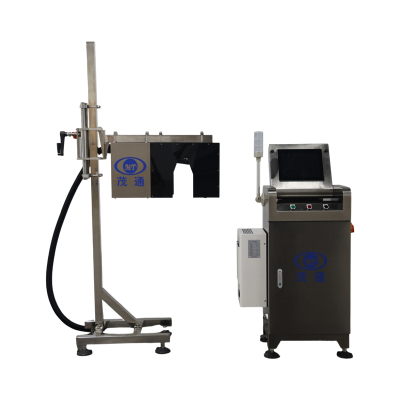
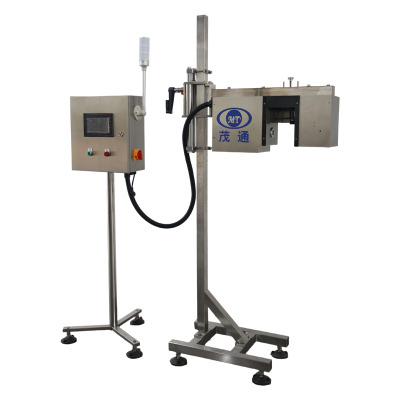
◦ Principle:After a can is sealed, a specific level of vacuum is established within the container (particularly following hot-filling and subsequent cooling). A detection instrument utilizes non-contact sensors (e.g., acoustic sensors) to tap the can lid; by analyzing the resulting vibration frequency or resonant sound, it determines whether the internal vacuum pressure falls within the acceptable range. Insufficient vacuum levels typically indicate a leak or a defective seal.
Advantages: Fast, non-destructive, and capable of 100% full inspection. Highly suitable for high-speed production lines.
Specific Relevance to Plant-Based Protein Beverages: Since these beverages may generate gas during sterilization or storage—due to the presence of proteins or starches—potentially causing abnormal fluctuations in internal pressure, this method effectively screens for potential leaks or risks of can rupture resulting from microbial gas production or chemical reactions.
2. Visual Inspection Systems:
Principle: High-resolution industrial cameras capture images of the can from multiple angles, focusing specifically on the junction between the lid and the body (the double-seam area).
Inspection Scope:
▪ Seam Dimensions: Measures critical dimensions—such as the width, thickness, and tightness of the double seam—to ensure compliance with process standards.
▪ Surface Defects: Detects scratches, dents, or deformations on the lid; verifies the uniformity of the sealing compound; and checks for any beverage residue (indicating traces of leakage).
▪ Code Recognition: Ensures that production dates and batch codes are clearly printed and accurate.
Advantages: Non-contact method capable of simultaneously detecting a wide range of defects.
3. Weight Inspection:
Principle: A high-precision scale is positioned downstream from the filling and sealing stations to measure the net weight (fill content) of each individual can. Products weighing below the lower limit of the standard range have a high probability of having experienced a leak (resulting in a reduction of contents).
Advantages: Simple and straightforward; capable of detecting slow, minute leaks.
4. High-Voltage Discharge Detection (Suitable for Metal Cans):
Principle:A high-voltage electric current is applied to the can body, treating the can itself as one electrode and the liquid inside as the other. If the can contains micropores or cracks, the current will fluctuate, or a discharge phenomenon will be detected, thereby triggering an alarm.
Note: This method is suitable for contents with good electrical conductivity. Plant-based protein beverages typically contain electrolytes (salts, minerals) and generally possess sufficient conductivity, though this should be verified prior to application. It is *not* suitable for completely insulating oil-based beverages (some coconut milk products may exhibit poor conductivity).
5. Gas Detection Method (e.g., CO₂ Detection; Suitable for Nitrogen-Flushed Products):
Principle: Many plant-based protein beverages are flushed with inert gases—such as nitrogen—to extend shelf life and prevent oxidation. Lasers or sensors can be deployed inline to detect whether a specific gas is escaping from the can opening, thereby allowing for an assessment of seal integrity.
Advantages: Highly sensitive; capable of detecting extremely minute leaks.
II. Offline Inspection and Laboratory Analysis (Sampling-based; Destructive)
Used to periodically validate the effectiveness of inline detection systems, conduct quality audits, and perform failure analysis.
1. Water Bath Test (The Simplest and Most Direct Method):
Completely immerse the beverage can in warm water (typically 40–50°C to enhance fluid mobility and reduce surface tension). Apply external pressure manually or using a device (alternatively, utilize the pressure differential between the inside and outside of the can). Observe the can's seams, weld lines, or body for the continuous emission of bubbles. This is the most intuitive method for pinpointing leak locations.
2. Seal Integrity Tester:
Place the beverage can inside a sealed test chamber. Inject compressed air or apply a vacuum, then monitor pressure fluctuations to determine whether a leak is present. This method allows for the quantification of the leak rate.
3. Microbiological Testing and Culture Analysis:
Principle:This constitutes the most fundamental form of validation, as the ultimate hazard associated with a leak is microbial contamination. ◦ **Method:** Finished products are sampled and subjected to incubation tests at specific temperatures (e.g., room temperature or 37°C) for defined durations (e.g., 7, 14, or 30 days). Periodic observations are conducted to check for can swelling (indicating gas production); cans are opened to measure pH levels and assess sensory attributes; and microbiological cultures are performed to detect total viable counts, coliforms, molds and yeasts, heat-resistant bacteria, and other contaminants.
Rationale: Plant-based protein beverages are nutrient-rich and serve as excellent growth media for microorganisms. Incubation testing is considered the "gold standard" for verifying commercial sterility and packaging integrity. Should a leak occur, microorganisms will proliferate rapidly, leading to product spoilage.
4. Seam Section Analysis and Seam Projectors:
Destructive Testing: A specialized seaming section cutter is used to cleanly excise the double-seamed portion of the can lid. This cross-section is then examined under a projector to analyze its structural integrity. This process allows for the precise measurement of 7–8 critical seam dimensions (such as the cover hook, body hook, overlap length, and tightness). By analyzing the physical structure, manufacturers can determine whether the seaming process meets quality standards—a critical step in root-cause analysis for leakage issues.
III. Special Considerations Regarding the Characteristics of Plant-Based Protein Beverages
1. Viscosity and Particulate Matter: Some products (e.g., those containing oat particles or crushed nuts) are highly viscous or contain suspended particulates. These substances can clog minute leak points, potentially leading to "false negatives" during certain in-line inspection processes (such as vacuum testing). Consequently, a combination of inspection methods (e.g., vacuum testing paired with weight checks) and regular off-line microbiological culturing is absolutely essential.
2. Protein and Fat Residues: When leaked beverage fluid dries on the surface of a can, it leaves behind traces of sugars, proteins, and fats. These residues require particular attention during visual inspection. Some production lines are equipped with specialized light sources (such as UV light) designed to highlight these organic residues.
3. Cold-Chain Products: For plant-based protein beverages requiring refrigeration, temperature fluctuations can result in greater pressure differentials between the interior and exterior of the can, thereby imposing stricter requirements on seal integrity. Consequently, the inspection standards applied to such products should be significantly more rigorous.
Summary and Recommendations
For a modern production line dedicated to canned plant-based protein beverages, a robust leak detection system should incorporate the following core components:
• Core In-Line Monitoring:A combination of vacuum/pressure testers and high-speed visual inspection systems to ensure 100% inspection coverage for every single can produced.
• Auxiliary Online Monitoring: Install automatic check weighers at critical workstations.
• Offline Quality Verification: Conduct periodic (e.g., per shift or daily) cross-sectional analysis and water-immersion leak testing via sampling.
• Final Efficacy Validation: Perform periodic thermal incubation tests and microbiological analyses; this serves as the ultimate standard for verifying the overall efficacy of the sterilization and packaging systems.
• Record-Keeping and Traceability: All inspection data must be automatically recorded and linked to specific production batches to facilitate rapid traceability and root cause analysis in the event of an issue.
Through this comprehensive inspection strategy—combining "online and offline" methods with "physical and microbiological" analyses—the seal integrity of canned plant-based protein beverages can be maximized, thereby safeguarding both product safety and quality.