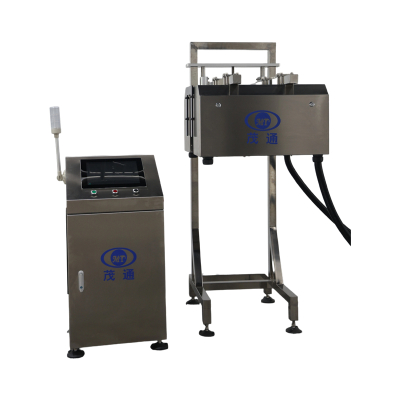
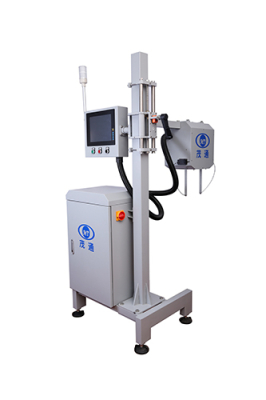
What is a checkweigher?
Equipment for Measuring Object Weight
A checkweigher is an automated device that utilizes sensors to measure the weight of objects in real-time and determine whether they meet specified standards. It is widely employed across various sectors, including production lines, packaging, and logistics. The following provides a detailed breakdown:
Core Functions
In-line Inspection: Measures weight in real-time as products are conveyed along a line; automatically rejects non-compliant items or sorts compliant ones, thereby ensuring that net content meets regulatory specifications.
Multi-parameter Detection: In addition to weight, the system can verify packaging integrity (e.g., detecting missing components or accessories) and identify overweight or underweight conditions, while also supporting dynamic product grading.
Working Principle
Objects are placed upon a load platform, where sensors (such as electronic scales) rapidly capture weight data. The system compares the actual measured value against pre-set standards, automatically controlling the conveyor belt to execute sorting or trigger an alarm.
Application Areas
Food & Beverage / Pharmaceuticals: Ensures accurate net content in products, preventing short-weight issues.
Pharmaceutical Industry: Verifies packaging specifications—such as those for medicine bottles—to safeguard product quality.
Packaging Industry: Inspects full cartons for missing items or overweight conditions, thereby enhancing logistics efficiency.
Logistics & Warehousing: Facilitates rapid cargo sorting and minimizes human error.
Technical Features
High-Precision Sensors: Utilizes electronic scales or load cells, with weight ranges and resolutions that can be customized to specific requirements.
Automated Integration: Integrates seamlessly with existing production lines, supporting automated rejection and data statistical analysis functions.
Safety & Environmental Compliance: Constructed using food-grade materials and features a design that is both waterproof and resistant to contamination.
Advantages
Increases production efficiency and reduces labor costs.
Minimizes human error and safeguards product quality.
Supports traceable data recording, facilitating effective quality control management.