Keep Carton Lines Audit Ready With Straw and Code Inspection
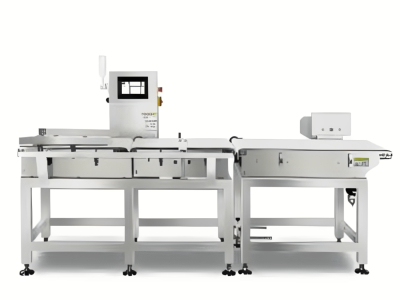
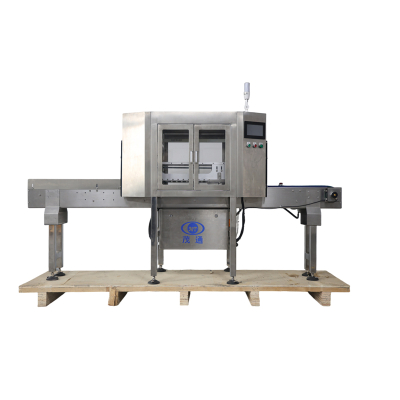
High-speed paper beverage carton lines don’t have much tolerance for small misses. A straw that isn’t applied, or an inkjet code that’s blurred or incomplete, can create rework, customer complaints, and traceability gaps. Tetra Pak Straw Pipette Detection is designed to address these two practical checkpoints in one inline station: straw presence verification and inkjet code inspection.

What Tetra Pak Straw Pipette Detection is built to check
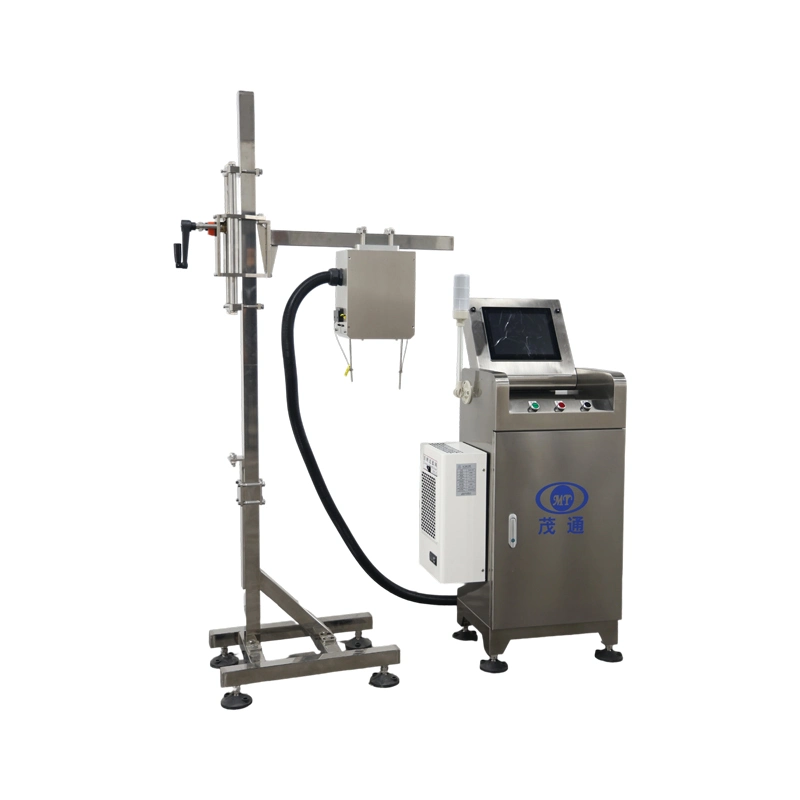
In production environments where cartons move continuously on a conveyor, Tetra Pak Straw Pipette Detection focuses on eight inspection functions while keeping the process non-contact and inline.
The detection capabilities include:

For buyers comparing options, this combination matters because a single system can support both identification and traceability checks as well as a straightforward packaging integrity check. In practical terms, Tetra Pak Straw Pipette Detection is positioned for lines where straw application and inkjet coding are both considered critical-to-quality.
Where the equipment is installed on the line
A key setup condition is location. Tetra Pak Straw Pipette Detection is installed on the conveyor line 0.5–1.0 meters downstream of the tube applicator, enabling the system to inspect cartons after the straw is applied and after inkjet printing is present for evaluation.
This placement is often evaluated early in a project because it determines whether the camera has a stable view and whether rejection timing can be aligned with the conveyor’s movement.
How the inspection workflow runs in real time
At the core of Tetra Pak Straw Pipette Detection is a Gigabit Ethernet digital camera that captures images from top to bottom. The typical workflow is sensor-triggered and conveyor-synchronized:
Because Tetra Pak Straw Pipette Detection is designed for continuous operation, the HMI’s live display is typically used for day-to-day monitoring and quick response when defect rates trend upward.
Rejection stability when speed changes or the line stops
One of the most procurement-relevant design details is how a system keeps reject timing accurate during real factory conditions. Tetra Pak Straw Pipette Detection uses an encoder-based counting system mounted on the conveyor’s synchronous motor.
The practical outcome is that, once a defective package number is recorded, rejection accuracy is designed to remain unaffected by production line stoppages or changes in conveyor speed. For high-throughput lines, this approach is commonly preferred over fixed-delay timing methods because line speed fluctuations are normal during changeovers, minor jams, or upstream interruptions.
Deep learning model setup for new carton types
Tetra Pak Straw Pipette Detection incorporates deep learning technology to minimize manual intervention. When introducing a new product model, the system typically requires about 300 sample images for data collection, and the corresponding model is built and maintained by the supplier.
For operations that run multiple carton formats, this model-based approach is often assessed alongside changeover frequency, staffing levels, and the internal requirement for consistent inspection criteria across shifts.
Key features buyers usually ask to confirm
Beyond detection itself, Tetra Pak Straw Pipette Detection includes functions aimed at operational stability and traceability:
For teams specifying an installation, it is also common to compare whether the project requires both straw presence and inkjet code checks. Where only print quality is the focus, some buyers shortlist a dedicated print inspection option such as Tetra Pak Printing Inspection.
Performance and configuration snapshot
The following points are commonly reviewed during technical alignment for Tetra Pak Straw Pipette Detection:
| Item | Stated detail |
|---|---|
| Inspection throughput | Up to 24,000 packages/hour |
| Software processing speed (inspection software) | Up to 60,000 BPH |
| Inspection approach | Inline, non-contact machine vision |
| Camera | Gigabit Ethernet digital camera |
| Missing-code rejection rate (test data) | ≥ 99.99% |
| Missing-straw rejection rate (test data) | ≥ 99.99% |
| Inkjet inspection false kick rate (test data) | ≤ 0.03% |
| Straw inspection false kick rate (test data) | ≤ 0.01% |
| Protection rating | IP65 |
| Remote access | 24/7 remote monitoring and operation |
These rejection and false-kick figures are presented as experimental test data, and inspection performance is typically evaluated against the defect category and on-site conditions.
Practical checklist before you commit to installation
When evaluating Tetra Pak Straw Pipette Detection for a carton line, buyers often confirm:
For product-level details, the system’s primary listing is Tetra Pak Straw Pipette Detection.