Make Carton Quality Decisions Faster With One Vision Station
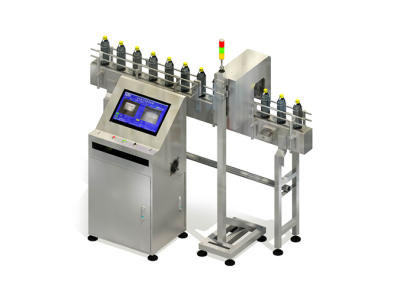
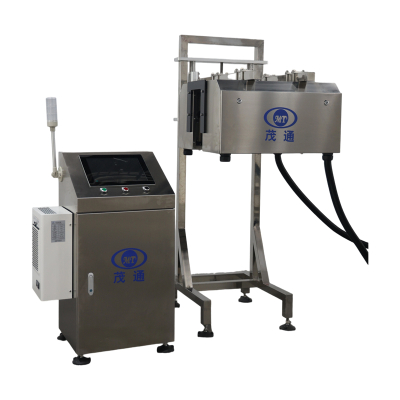
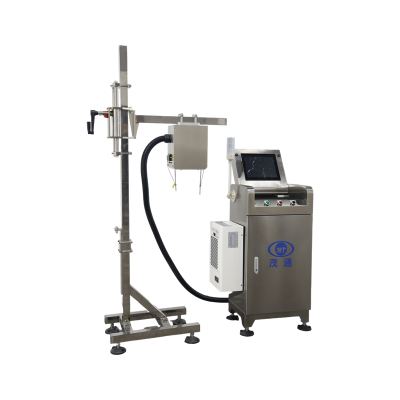
On fast paper-carton beverage lines, small packaging mistakes can turn into big downstream losses. A Tetra Pak Detection Machine is designed for online, non-contact inspection of inkjet printing quality and straw integrity on paper-packaged products, with automated rejection of defective packages to help keep quality consistent.

On fast paper-carton beverage lines, small packaging mistakes can turn into big downstream losses. A Tetra Pak Detection Machine is designed for online, non-contact inspection of inkjet printing quality and straw integrity on paper-packaged products, with automated rejection of defective packages to help keep quality consistent.
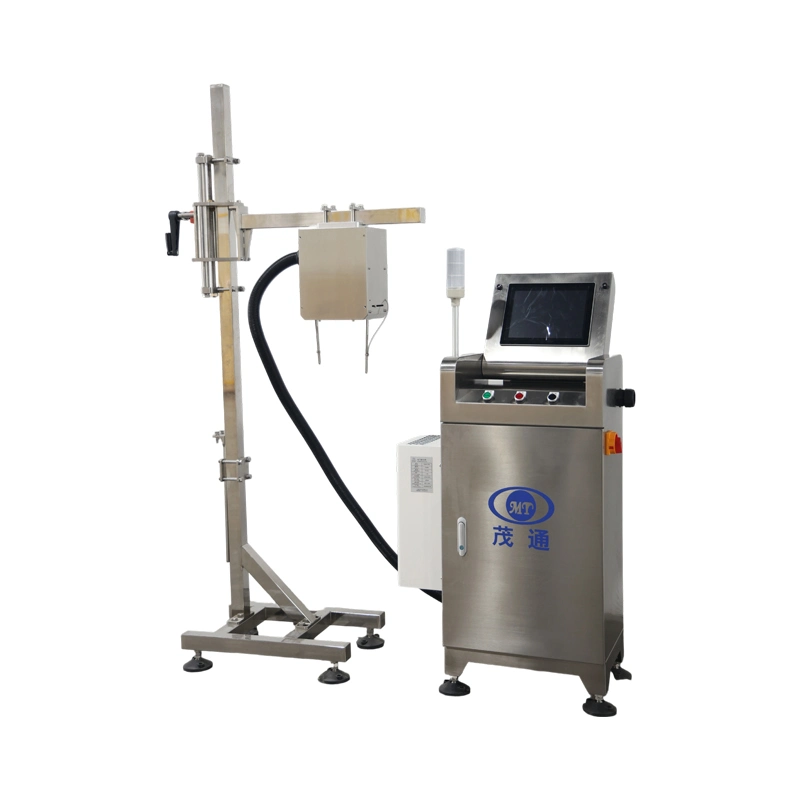
What the Tetra Pak Detection Machine checks inline
A Tetra Pak Detection Machine focuses on two frequent carton-line pain points—code quality and straw presence—so issues are caught before products move further along the conveyor.
Key detection functions include:
In addition, the system provides 360° inkjet print inspection intended to cover the entire print area. When buyers compare a Tetra Pak Detection Machine to manual checks, this type of coverage is often evaluated for its ability to reduce missed defects during peak production.
Stable inspection in high-temperature production environments
Long summer shifts can introduce heat-related instability in electronics and imaging, which can lead to interruptions or nuisance alarms. This Tetra Pak Detection Machine is equipped with an industrial-grade cooling system and air conditioning to help prevent malfunctions or false alarms during extended high-temperature operation.
For packaging teams, the operational goal is simple: keep the Tetra Pak Detection Machine running steadily so inspection rules remain consistent from the first hour of a shift to the last. The equipment also specifies IP65 protection, supporting use in industrial environments where dust and routine washdown considerations may apply.
How detection, tracking, and rejection work together
A Tetra Pak Detection Machine is built around coordinated sensing, imaging, processing, and conveyor tracking—so detection results translate into correct physical rejection on a moving line.

Online process flow
This encoder-based approach is described as maintaining rejection accuracy even during line stoppages or speed fluctuations—an important consideration when a Tetra Pak Detection Machine is installed on high-speed conveyors.
Traceability with defect photo archiving and remote access
Finding defects is only half the job—teams also need evidence for troubleshooting. The Tetra Pak Detection Machine supports daily automatic photo storage of defective products, with customizable retention periods. This supports quality traceability and helps operators review recurring patterns.
The system also offers 24/7 remote monitoring and control for troubleshooting and support. Combined with a user-friendly HMI and multi-level access control, a Tetra Pak Detection Machine can fit into plants where different roles require different permissions.
Installation position and configuration options buyers ask about
The specified installation location is 0.5–1.0 meters downstream of the tube applicator, enabling inkjet coding and straw application to be checked at the same station. The equipment description also notes that functions can be tailored to customer-specific production conditions, which is commonly requested when carton sizes or code formats change.
For readers comparing models, the product information describes self-developed testing software and states a processing speed that can be fast, with the fastest up to 36,000 packets/hour, while also listing detection efficiency supporting speeds of up to 24,000 packages per hour.
Tetra Pak Detection Machine technical parameters
| Item | Value |
|---|---|
| Equipment name | Inkjet Printer Inspection Machine |
| Model name | Tetra Pak Detection Machine |
| Applicable production speed (max) | 24,000 bags/hour |
| Inspection area | Inkjet Printer Inspection, Straw Inspection |
| Rejection method | Accurately rejects defective bags detected by the inspection unit |
| Safety protection rating | IP65 |
If you are shortlisting a Tetra Pak Detection Machine, it is practical to confirm the target line speed, the reject mechanism interface, and the product changeover workflow.
To view the product page, see the Tetra Pak Detection Machine. For related product context, you can also review the Tetra Pak Code Inspection Machine and the broader Tetra Pak Inspection Machine category.