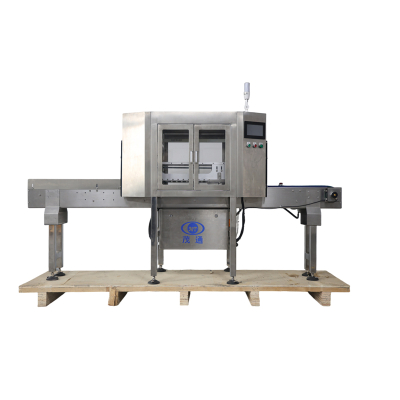
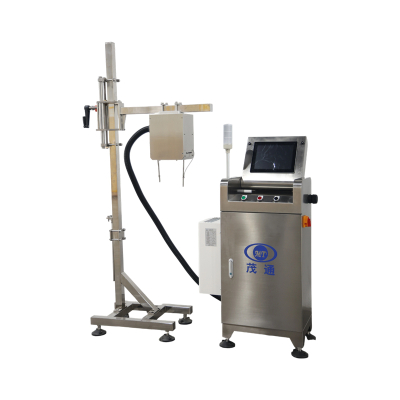
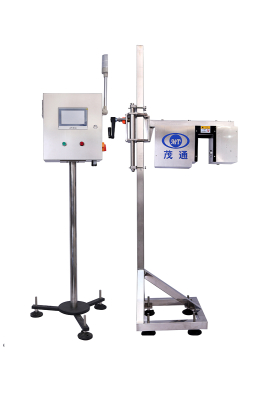
Buyers Evaluate Tetra Pak Detection Machines Without Line Surprises
Tetra Pak Detection Machine is typically evaluated by beverage and liquid-food manufacturers that want clearer, more consistent packaging checks on paper-based cartons during production. For most procurement teams, the fastest way to de-risk a purchase is to define exactly what must be inspected (and what can be ignored), then match that scope to an equipment category that fits the line layout and operating workflow.
This page outlines a practical way to specify a Tetra Pak Detection Machine using widely used purchasing checkpoints and the inspection categories commonly discussed in carton packaging.

Define what “detection” means on your carton line
In real procurement conversations, “Tetra Pak detection” is rarely one single task. A Tetra Pak Detection Machine may be considered for one inspection item or for a broader set of checks, depending on where quality risks tend to occur.
Common inspection categories referenced by buyers include:
A buyer-ready definition of a Tetra Pak Detection Machine should name the inspection target (code, straw, straw position, cap) and the defect types that matter operationally (for example: missing vs. mis-positioned vs. unreadable).

Avoid scope creep by setting pass fail rules early
A recurring source of RFQ confusion is mixing “nice-to-have visibility” with “must-reject defects.” When specifying a Tetra Pak Detection Machine, teams typically align internally on:
Keeping these definitions tight makes it easier to compare quotations for a Tetra Pak Detection Machine on an apples-to-apples basis.
Integration questions buyers should ask before signing off
Even when the inspection scope is clear, a Tetra Pak Detection Machine can underperform if the installation conditions are not agreed in advance. Most buyer evaluations focus on integration topics such as:
These are not “nice details.” They are usually the difference between a Tetra Pak Detection Machine that works in a demo and one that stays stable on a live line.
How to structure an RFQ for a Tetra Pak Detection Machine
Procurement teams generally get better quotes—and fewer later disputes—when the RFQ for a Tetra Pak Detection Machine includes a short, structured checklist:
A good RFQ does not need to be long. It needs to be unambiguous so the Tetra Pak Detection Machine configuration can be proposed with fewer assumptions.
Where this fits in a broader packaging quality strategy
Many plants continue to use layered quality assurance—operator checks, audits, and inline inspection—because different tools catch different failure modes. In that context, a Tetra Pak Detection Machine is often evaluated as one element in a broader system to reduce preventable packaging escapes and stabilize downstream packing efficiency.
For buyers comparing options, the most practical approach is to map the Tetra Pak Detection Machine to one clear purpose: code-related control, straw-related control, or broader carton inspection—and then scale from there only when the line data supports it.