Protect Your Can Pressure Machine Before Startup
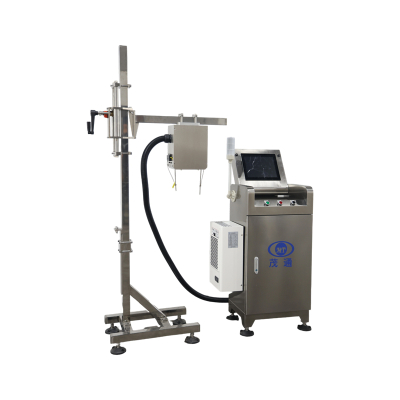
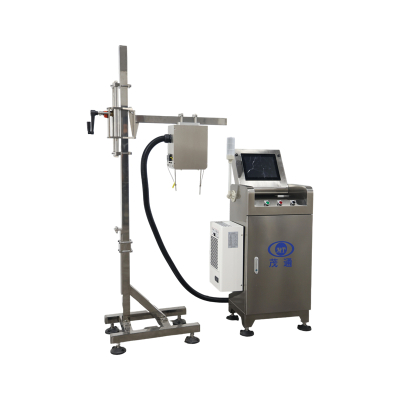
For optimal performance, your Can Pressure Inspection Machine requires meticulous preparation of its environment, conveyor system, utilities, and handling procedures. The Can Pressure Inspection Machine, a fully automatic pressure testing device, employs advanced belt-squeeze inspection, precise positioning and force sensing, robust signal processing, a user-friendly HMI, and an efficient automatic rejection system to assess container pressure on active production lines. Before you even think about starting production, careful attention to loading, unloading, storage, mechanical alignment, and safety protocols is crucial. These steps not only protect sensitive sensors but also establish the stable inspection conditions vital for consistent quality control.
Protecting Sensors During Transit
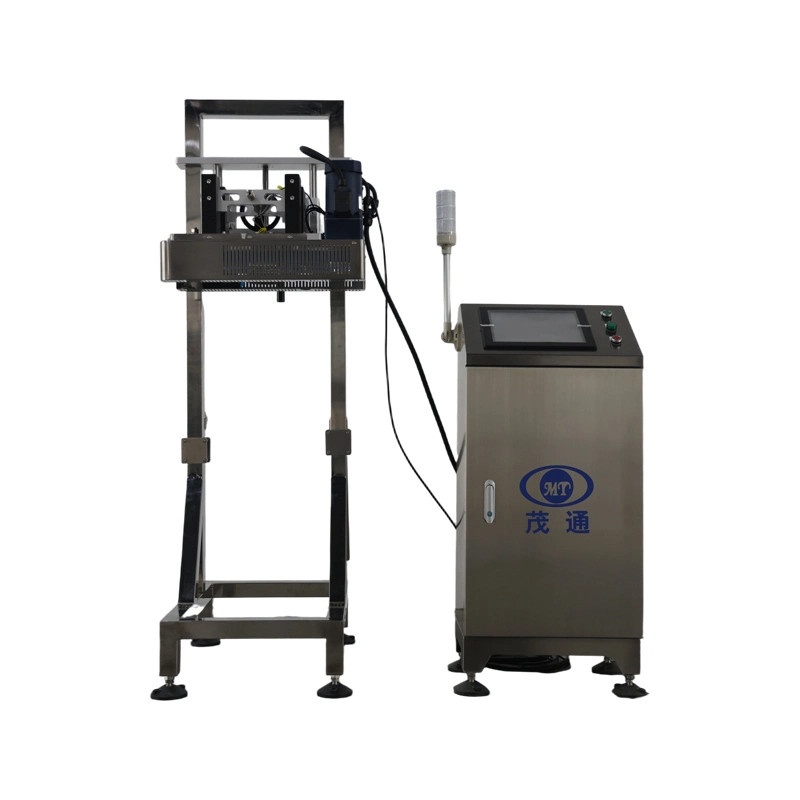
Safeguarding the sensor area of any Can Pressure Inspection Machine during transportation is paramount; it should never be subjected to undue pressure or tension. Proper securing and packaging of the equipment are non-negotiable before any movement. This means external protection must consist of moisture-proof and impact-resistant materials. Such precautions are essential for mitigating the risks of scratches, dents, moisture exposure, and unnecessary mechanical stress that can occur during transfer. The MT-YLG-XL-C0-04, weighing approximately 100 kg and measuring 600 mm × 1000 mm × 1700 mm, demands careful handling. Uncontrolled movement, whether during transit or unloading, poses a significant threat to its sensitive internal components. Therefore, for unloading, specialized handling equipment is a must, and the machine must be securely mounted on this equipment to prevent any slippage or accidental drops.
Optimal Storage Conditions
Maintaining the correct environmental conditions for a Can Pressure Inspection Machine is just as important during storage as it is during operation. The specified range for both storage and use includes:
| Item | Required Condition |
|---|---|
| Temperature | 0°C–50°C |
| Relative Humidity | 10%–80% |
| Packaging | Moisture-proof and impact-resistant while stored |
Adhering to these limits is critical. Storage areas should be chosen to actively prevent exposure to excessive moisture or potential physical impact. Keeping the machine within the prescribed temperature and humidity range provides a stable foundation for the installation team, ensuring that the electrical, pneumatic, and conveyor system integrations begin from a reliable starting point. This proactive approach helps preserve the integrity of the machine's components, contributing to its long-term accuracy and operational stability.
Conveyor Setup for Precision
Mechanical alignment directly influences the stability and accuracy of any inspection system. The Can Pressure Inspection Machine must be positioned horizontally, with its clamping conveyor belt running precisely parallel to the product’s bottom conveyor belt. This parallel alignment is crucial for consistent product flow and accurate pressure sensing. It's also worth noting that excessive vertical vibration of the conveyor chain can significantly compromise detection accuracy. To counteract this, the chosen section of the production line for installation should be inherently stable and specifically suited for high-precision inspection tasks. For consistently reliable testing results, the equipment requires installation on a 1.5–2 m straight conveyor section, and importantly, products should undergo inspection only after they have sufficiently cooled. This specific setup ensures consistent product handling: the positioning sensor accurately records each product's ID and encoder signal, the force sensor precisely measures the instantaneous pressure exerted against the belt, and the signal processing board meticulously analyzes this data before the rejector system efficiently removes any nonconforming products. This integrated approach ensures the highest level of container inspection and quality control.
Utility Connections and Pre-Checks
Before connecting any power, a thorough inspection of all cables for looseness is essential, along with a confirmation of the control cabinet's grounding wire. Reliable grounding for both the frame and control cabinet is critical, as the electronic components inside are highly sensitive to static electricity. The required utilities are straightforward, yet crucial for operation:
The Can Pressure Inspection Machine (MT-YLG-XL-C0-04) is versatile, supporting a range of critical packaging inspection functions, including pressure detection, leak detection, no-lid detection, inverted can detection, and blocked can detection. It also features automatic rejection capabilities, configurable to user-defined thresholds. It's particularly effective for inspecting aluminum cans filled with liquid nitrogen, PE/PP plastic bottles containing gas or steam, and various other gas-containing containers (excluding those with CO₂).
Prioritizing Safety Measures
Operating a Can Pressure Inspection Machine demands strict adherence to safety protocols. Only personnel who have received proper training should be allowed to operate the machinery, and all maintenance tasks must be carried out exclusively by professionally trained technicians. Before any operation begins, confirming that all safety warnings and protective devices are correctly in place and fully functional is a must.
Crucially, the machine must never be operated with its cover open. Accessing internal components is only permissible after both the electrical power and compressed air supplies have been completely switched off. Operators should always keep their hands well clear of the reject cylinder connecting-rod assembly during operation to prevent injury. Additionally, it's vital not to obstruct or accidentally touch the photoelectric switch, as this triggers product detection and could lead to unexpected machine movements. Disconnecting electrical connections while the machine is powered on is strictly prohibited, as it can cause severe damage to electronic components. Finally, during any servicing or maintenance work, the equipment should be clearly marked with warning signs to prevent accidental startup and ensure the safety of personnel.
Comprehensive Pre-Operation Checklist
To ensure a smooth and reliable start to production, it's highly recommended to go through this checklist before powering up your Can Pressure Inspection Machine:
Meeting these conditions ensures your Can Pressure Inspection Machine is fully prepared for stable inline pressure inspection and the reliable, accurate rejection of products that do not meet your stringent quality requirements.
FAQs
What is the required storage environment for a Can Pressure Inspection Machine?
The specified environment for both storage and use is a temperature range of 0°C–50°C and a relative humidity of 10%–80%.
What is the most important transport precaution?
The most critical precaution is ensuring the sensor area is not subjected to pressure or tension. The equipment must be securely fastened, properly packaged, and protected with moisture-proof and impact-resistant materials during transit.
How long should the straight conveyor section be?
For optimal installation and reliable testing, a 1.5–2 m straight conveyor section is specified. The machine itself should be positioned horizontally and aligned parallel to the product’s bottom conveyor.
What utilities are required before startup?
The machine requires a single-phase AC 220V, 50Hz, 250W power supply and 4–8 bar compressed air that meets industry standards.
Who should operate and maintain the machine?
Operation should be performed exclusively by trained personnel, while maintenance tasks must be handled by professionally trained and qualified technicians.