Install Can Pressure Inspection Machine With Fewer Startup Risks
For optimal performance, a Can Pressure Inspection Machine truly shines when its conveyor, utility connections, product conditions, and safety protocols are meticulously prepared before its inaugural production run. For the Can Pressure Inspection Machine, installation goes beyond mere placement; it's a meticulously controlled setup process involving level mounting, precise parallel belt alignment, robust grounding, accurate compressed air supply, and consistent product transfer through the inspection section. A proper setup ensures the machine delivers its high accuracy and reliability consistently.
Understanding the Can Pressure Inspection Machine
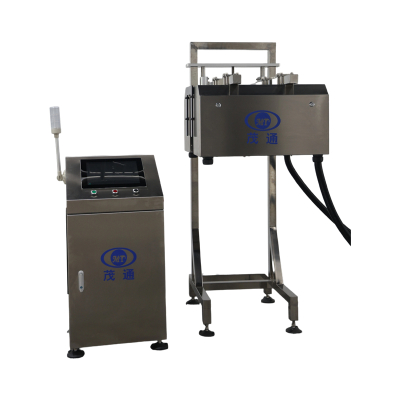
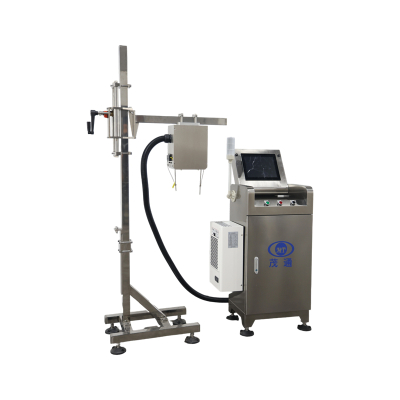
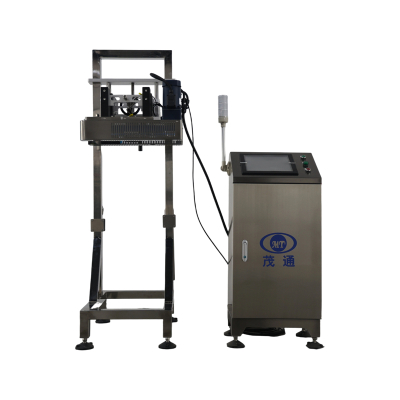
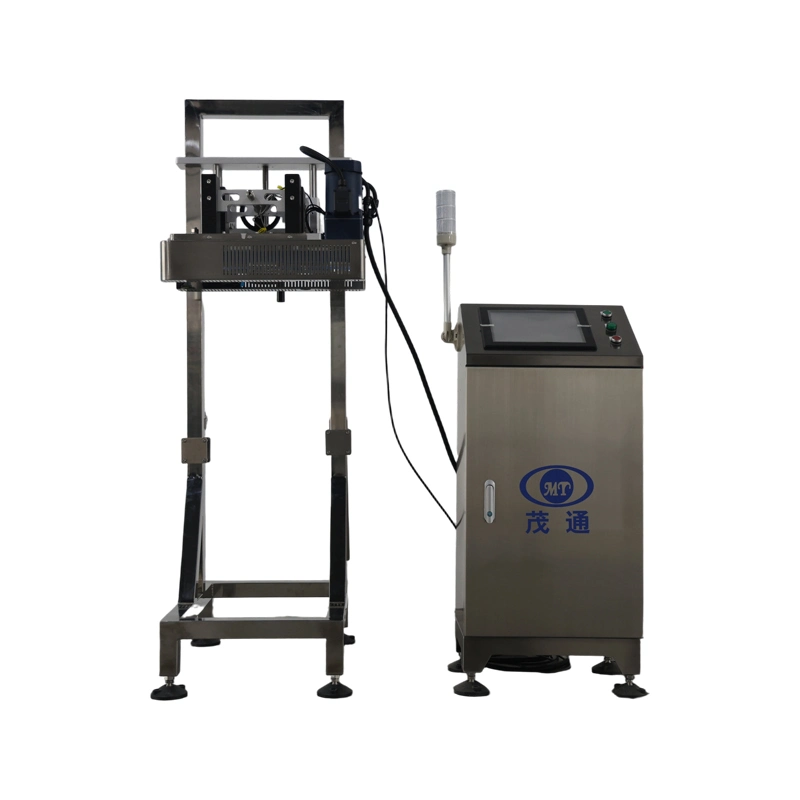
The Can Pressure Inspection Machine is engineered for a variety of gas-containing containers, including aluminum cans with liquid nitrogen, PE/PP plastic bottles filled with gas or steam, and other gas-containing containers (excluding CO₂). Its core belt-squeeze inspection method dynamically evaluates the internal pressure response of each product as it navigates the detection zone. This non-contact detection ensures quick, accurate results, maintaining high throughput for various production line speeds.
Key Pre-Installation Site Conditions
Before you begin the physical installation, it's crucial to verify that both the machine and its intended operating environment meet specific criteria. Here’s a detailed breakdown of essential requirements:
| Item | Requirement |
|---|---|
| Model | Can Pressure Inspection Machine |
| Dimensions | 600 mm × 1000 mm × 1700 mm |
| Frame | 304 stainless steel, conveyor-mounted design |
| Weight | Approx. 100 kg |
| Temperature | 0°C–50°C |
| Relative humidity | 10%–80% |
| Power | Single-phase AC 220V, 50Hz, 250W |
| Compressed air | 4–8 bar, industry-quality air |
| Straight conveyor | 1.5–2 m recommended |
A stable, straight conveyor section is especially vital. The Can Pressure Inspection Machine must be installed horizontally, with the clamping conveyor belt running precisely parallel to the product’s bottom conveyor belt. If the conveyor experiences instability or excessive vibration, the precision of pressure readings can be compromised, leading to inconsistent or unreliable results.
Precision Alignment: A Critical First Step
Mechanical alignment should always precede electrical or pneumatic commissioning. A practical approach involves first positioning the Can Pressure Inspection Machine on the conveyor. Then, carefully check that the clamping belt and bottom belt are perfectly parallel. Confirm that containers pass smoothly through the inspection area, without any skewing, jamming, or unstable contact. This meticulous alignment is paramount for the system's dynamic accuracy.
The product page for the Can Pressure Tester Machine clearly specifies that products should be tested after cooling for optimal detection performance. This is important because product temperature directly affects internal pressure behavior, influencing inspection stability and accuracy. Therefore, ensuring products are cooled should be considered an integral part of the installation condition, not merely a detail of the production process.
Powering Up Safely: Electrical and Air Supply
Before energizing the Can Pressure Inspection Machine, meticulously inspect all cable connections to confirm their security, and verify that the grounding wire of the rack control box is properly connected. It's critical that both the frame and control cabinet are reliably grounded, as the electronic components within are highly sensitive to static electricity. Proper grounding prevents potential damage to sensitive electronics and ensures operator safety.
Use only the specified electrical supply: single-phase AC 220V, 50Hz, with a total power of 250W. For the compressed-air connection, ensure a supply of 4–8 bar that also meets stringent industry quality standards. Typically, with any pressure equipment, safety hinges on operating within defined limits and ensuring personnel adhere strictly to instructions. For this machine, adhering to these stated installation limits is the fundamental starting point for safe and effective commissioning.
How the Belt Squeeze System Works
The Can Pressure Inspection Machine employs a sophisticated operational sequence. A guide mechanism at the front end initiates a pre-squeeze, establishing a controlled pressure condition on the product. As the product reaches the positioning sensor, the control unit instantly records its identification number and encoder signal. Following this, a force sensor precisely measures the instantaneous pressure exerted by the product against the flexible belt.
This pressure signal is then transmitted to the proprietary Maotong signal-processing board for advanced analysis. The processed results are displayed on the Human-Machine Interface (HMI) in real-time and simultaneously transmitted to the main control unit. If a product’s pressure measurement falls outside the user-defined thresholds, the automated rejector swiftly removes the corresponding container from the production line. The system boasts a documented detection range of 0.08–0.5 MPa, with impressive ±0.01 MPa static accuracy and ±0.02 MPa dynamic accuracy, ensuring stable and highly reliable test results. Additionally, the unit handles pressure monitoring, leak detection, missing-lid detection, inverted can detection, blocked can detection, and automatic rejection of defective products according to user-defined thresholds. For those comparing related options, exploring other Can Inspection Equipment is also recommended.
Comprehensive Safety Protocol
Operating the Can Pressure Inspection Machine demands adherence to strict safety guidelines. Only properly trained personnel are authorized to operate the equipment, and all maintenance tasks must be carried out by qualified technicians. Before startup, confirm that all protective devices and warning labels are securely in place. The machine must never be operated with its covers open; both power and compressed air supplies must be completely switched off before any cover is opened for access or maintenance.
| Safety Point | Required Action |
|---|---|
| Covers | Never operate with covers open; ensure they are closed and secured. |
| Reject Cylinder | Keep hands clear of the reject cylinder linkage assembly during operation to prevent injury. |
| Photoelectric Switch | Do not obstruct or accidentally touch the photoelectric trigger switch, as this may cause the reject cylinder to misfire. |
| Electrical Wiring | Do not disconnect any electrical connections while the machine is powered on to avoid damage to components. |
| Maintenance | Always switch off both power and compressed air supplies before performing any maintenance. |
| External Devices | Ensure both the machine and any external devices are powered off before making connections. |
| Grounding | Reliably ground the frame and control cabinet, as electronic components are sensitive to static electricity. |
The First Run: A Detailed Checklist
During the initial production run, refrain from judging the Can Pressure Inspection Machine solely by its rejection results. First, systematically confirm that all containers are adequately cooled, that the conveyor belts remain perfectly aligned, and that the conveyor itself runs smoothly without undue vibration. Double-check that all cables are secure, that grounding is reliable, and that the compressed air supply maintains the required pressure range. If pressure readings show unexpected fluctuations, investigate conveyor vibration and mechanical alignment thoroughly before considering any adjustments to inspection thresholds. A careful startup routine ensures the Can Pressure Inspection Machine operates precisely under its intended conditions: horizontal installation, parallel clamping and bottom belts, a 1.5–2 meter straight conveying section, correct 220V power, stable 4–8 bar compressed air, properly cooled products, and comprehensive safety protection.
FAQs
Why does the machine need a 1.5–2 m straight conveyor section?
The recommended straight conveyor section helps maintain stable product travel and ensures proper, consistent belt alignment through the inspection area, which is crucial for accurate pressure measurements.
What power supply is required?
The Can Pressure Inspection Machine operates on single-phase AC 220V, 50Hz, with a total power consumption of 250W.
What compressed-air pressure should be used?
The required compressed-air pressure is 4–8 bar, and the quality of the air supply must meet industry standards to ensure optimal performance of pneumatic components.
Should products be inspected hot or cooled?
For optimal detection performance and consistent results, products should always be inspected after they have cooled sufficiently.
Can the machine be serviced while powered on?
No, absolutely not. For safety and to prevent damage to the equipment, both power and compressed air supplies must be switched off before opening any covers or performing maintenance.