Make Carton Lines Audit Ready With Tetra Pak Straw Pipette Detection
High-speed paper beverage carton lines often need two checks at the same time: whether a straw is present and whether the inkjet code is readable and compliant. When output rises, manual checks become harder to sustain without slowing production or increasing labor pressure. Tetra Pak Straw Pipette Detection is positioned as an inline, non-contact way to keep inspection consistent while supporting continuous flow and automatic rejection.

Where Tetra Pak Straw Pipette Detection Sits on the Line
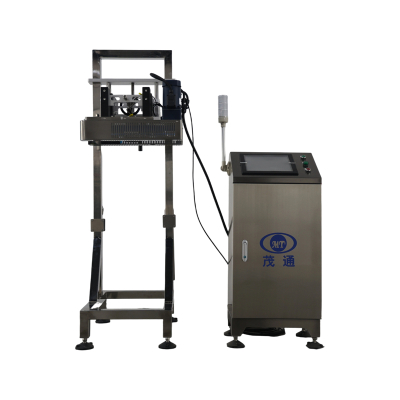
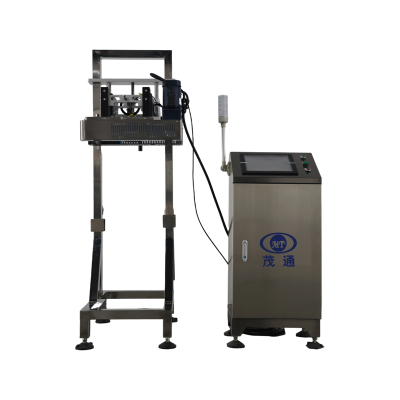
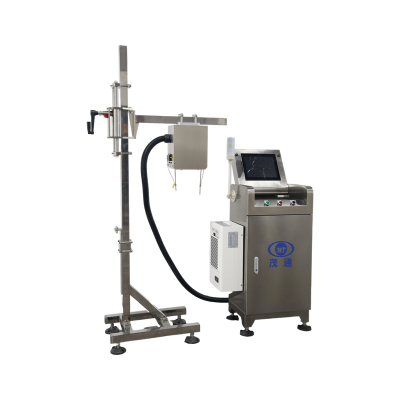
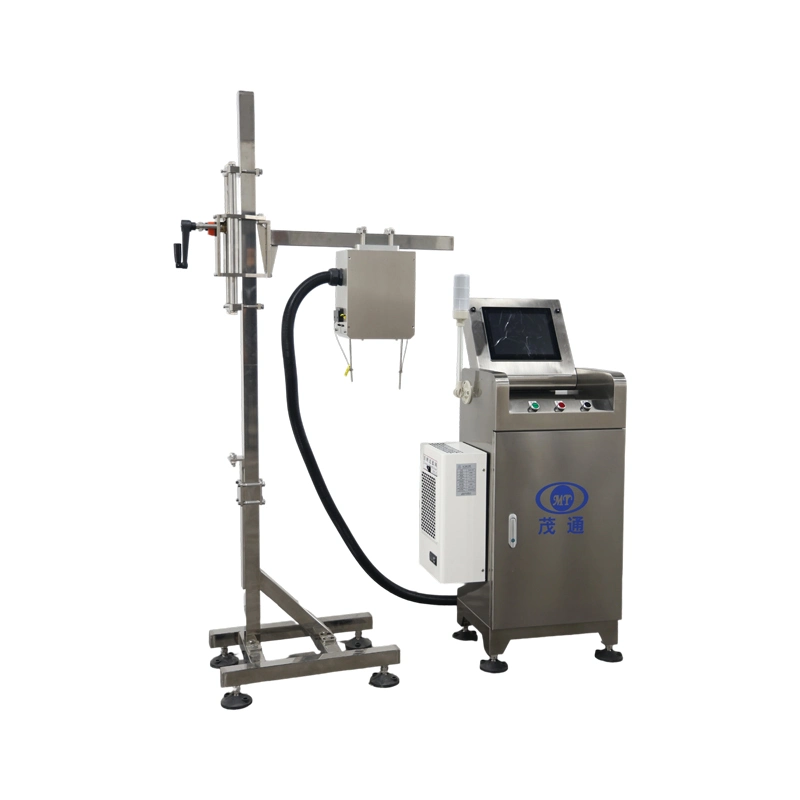
In a typical layout, the Tetra Pak Straw Pipette Detection unit is installed on the conveyor about 0.5–1.0 meters downstream from the tube applicator. This placement is intended to verify straw presence after application and to inspect inkjet printing on each carton without physical contact. The system is designed so defective cartons can be removed without interrupting normal production flow.
How the Inspection Workflow Runs
A standard Tetra Pak Straw Pipette Detection cycle follows a clear sequence that ties package tracking to image analysis and rejection control:
For buyers comparing options, the encoder-linked tracking used in Tetra Pak Straw Pipette Detection is often evaluated because it helps keep rejection timing accurate even when the conveyor speed changes or the line stops and restarts.
Deep Learning Changeovers With About 300 Images

A key operating concept in Tetra Pak Straw Pipette Detection is its deep learning approach, designed to reduce manual intervention during model changeovers.
When switching product models on-site, only about 300 product images are collected for data preparation. The responsibility split is explicit: site teams focus on image collection, and Jinan Maotong Inspection constructs the data model. As the data model expands to cover different product types, the intended outcome is error-proof detection across the supported range.
This deep learning setup is typically used so Tetra Pak Straw Pipette Detection can maintain consistent defect identification across multiple packaging formats while keeping changeover work more predictable.
What Defects the System Is Designed to Detect
On paper-packaged beverage lines, Tetra Pak Straw Pipette Detection is designed to cover both inkjet code quality and straw presence verification. Detection capabilities include:
In procurement discussions, this combination is often treated as a single checkpoint: Tetra Pak Straw Pipette Detection aligns straw integrity inspection with inkjet code inspection so cartons can be evaluated in one pass.
Performance, Speed, and Key Specifications
The equipment model associated with Tetra Pak Straw Pipette Detection is Tetra Pak Straw Pipette Detection, with a stated inspection throughput up to 24,000 packages per hour. The protection rating is IP65, and the inspection method is non-contact, inline inspection.
The independently developed inspection software is described with a fastest processing speed of up to 60,000 BPH.
Documented rejection and false-kick figures
The following rejection rates are presented as theoretical experimental data for Tetra Pak Straw Pipette Detection:
| Inspection item (examples) | Rejection rate | False kick rate |
|---|---|---|
| No inkjet printing / missing code | ≥99.99% | ≤0.03% (inkjet inspection) |
| Overall code missing >50% | ≥99.99% | ≤0.03% (inkjet inspection) |
| Overall code missing >30% | ≥99.96% | ≤0.03% (inkjet inspection) |
| Characters unreadable to the human eye | ≥99.93% | ≤0.03% (inkjet inspection) |
| Position offset (specified deviations) | ≥99.99% | ≤0.03% (inkjet inspection) |
| Duplicate code (multi-code) | ≥99.99% | ≤0.03% (inkjet inspection) |
| No straw | ≥99.99% | ≤0.01% (straw inspection) |
For production teams, these figures help frame what Tetra Pak Straw Pipette Detection is intended to do: screen out clearly non-conforming cartons at speed while keeping nuisance rejects controlled.
Production Management Features Often Requested by Buyers
Beyond detection, Tetra Pak Straw Pipette Detection integrates functions that support day-to-day operation:
Shortlist Checklist Before You Specify the Equipment
When evaluating Tetra Pak Straw Pipette Detection for a specific line, buyers commonly confirm installation space near the applicator, conveyor characteristics for encoder integration, target defect categories, rejection mechanism integration, and traceability requirements for stored defect images.
For the official product specification page, see Tetra Pak Straw Pipette Detection.