Tetra Pak Straw Pipette Detection Keeps Carton Codes and Straws Correct
On fast paper-carton beverage lines, small defects can quickly become large batches: missing or blurred inkjet codes, unreadable characters, position offsets, duplicate codes, or missing drinking straws. Tetra Pak Straw Pipette Detection is positioned as an inline, non-contact vision inspection system that checks inkjet printing quality and straw presence in real time, then triggers automatic rejection so nonconforming packages are removed without interrupting production flow.

Equipment configuration and technical specifications
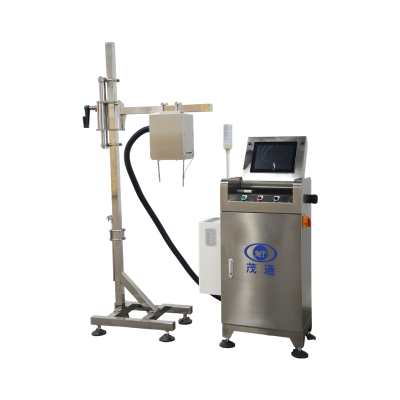
Tetra Pak Straw Pipette Detection is described as an inkjet printing inspection system designed for paper-packaged beverage production lines, supporting inline inspection without physically damaging products.
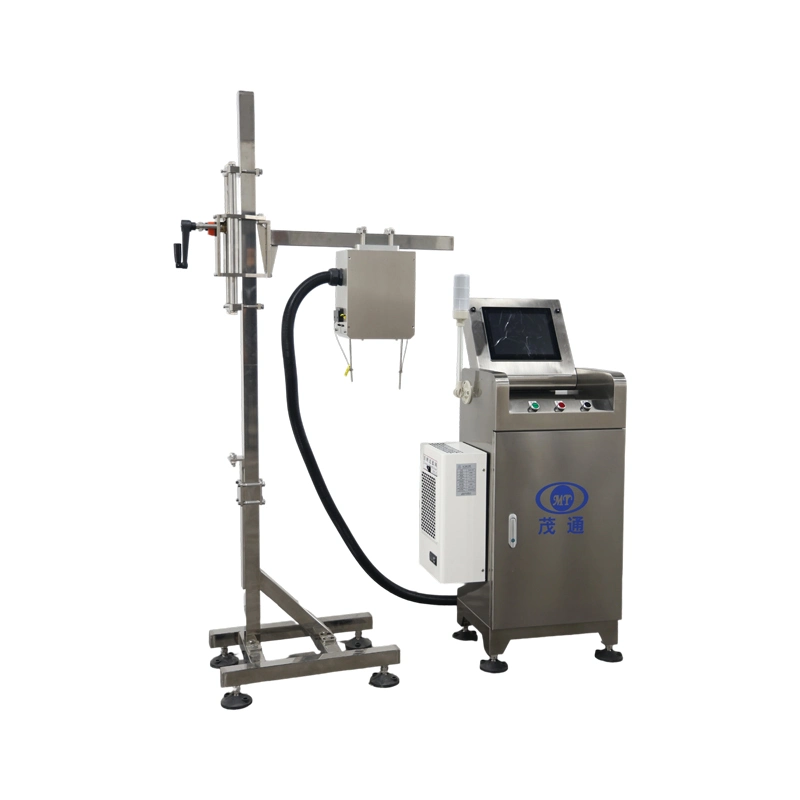
Technical specifications
| Item | Specification |
|---|---|
| Equipment name | Inkjet Printing Inspection System |
| Model | Tetra Pak Straw Pipette Detection |
| Product name | Tetra Pak Straw Pipette Detection |
| Maximum production speed | 24,000 bags/hour |
| Inspection scope | Inkjet printing quality and straw presence |
| Rejection method | Automatic, precise removal of defective packages identified during inspection |
| Protection rating | IP65 |
Operational features buyers often check
For procurement and line integration, Tetra Pak Straw Pipette Detection is typically evaluated on stability, traceability, and rejection synchronization:
For a direct product reference, see Tetra Pak Straw Pipette Detection.
Detection principle and reject control workflow
Tetra Pak Straw Pipette Detection integrates a positioning sensor, a Gigabit Ethernet digital camera, an image processor, the HMI, a control unit, and a rejector mechanism. The sequence is described as:
This encoder-based approach is presented as a practical way to keep reject timing aligned to actual conveyor movement, especially when speed fluctuates or the line stops temporarily.

Algorithm principle
The inspection method is described as leveraging deep learning technology to minimize manual intervention. When switching product models on-site, approximately 300 product images are collected, and the corresponding data model is constructed so the inspection configuration can be applied across product types.
Detection items and documented inspection performance
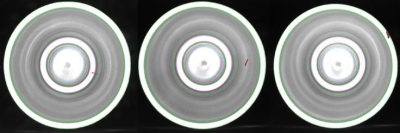
Tetra Pak Straw Pipette Detection covers inkjet printing quality checks plus straw presence verification, with the following inspection items listed:
Rejection rate and false kick rate
| Inspection item / condition | Rejection rate | False kick rate |
|---|---|---|
| Inkjet printing inspection category | — | ≤ 0.03% |
| No inkjet printing, including missing code or reversed package | ≥ 99.99% | — |
| Missing or blurred inkjet printing with overall code missing greater than 50% | ≥ 99.99% | — |
| Missing or blurred inkjet printing with overall code missing greater than 30% | ≥ 99.96% | — |
| Incorrect inkjet printing with characters unreadable to the human eye | ≥ 99.93% | — |
| Position offset, such as incorrect date, factory code, security code, or deformation | ≥ 99.99% | — |
| Duplicate code exceeding the expansion zone | ≥ 99.99% | — |
| Multiple codes printed within the code area | ≥ 99.99% | — |
| Straw inspection with no straw | ≥ 99.99% | ≤ 0.01% |
The rejection-rate figures above are presented as theoretical experimental data. The listed test items are described as being evaluated in real time for each paper package, rather than only during shift checks.
Installation location and application range
Tetra Pak Straw Pipette Detection is installed on the conveyor line approximately 0.5–1.0 meters downstream of the tube applicator, a position intended to support simultaneous checking of inkjet coding output and straw placement after application.
It is described as being widely applied on paper-packaged beverage production lines, where it inspects inkjet printing quality and straw integrity and automatically removes defective products.
In some line layouts, buyers may also review related options such as a dedicated Tetra Pak Code Inspection Machine or a standalone Straw Inspection Machine depending on how responsibilities are split across stations.