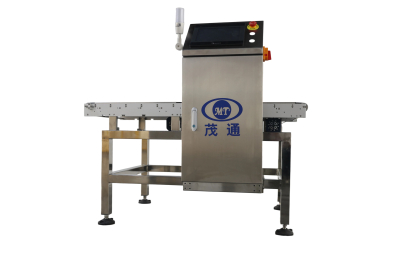
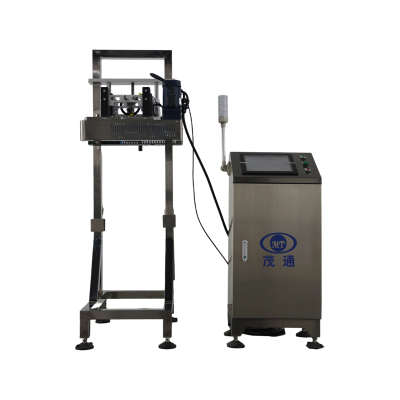
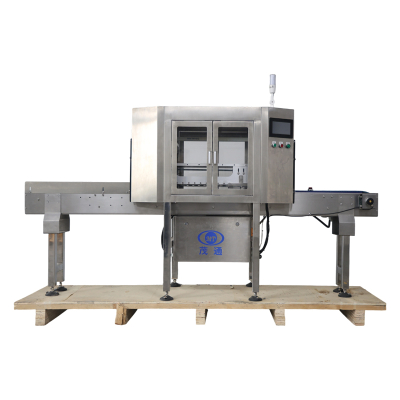
Why the PE Bottle Squeeze Leak Detection Machine Fits 600 Bottle Lines
Fast bottling lines have little tolerance for uncertainty. When a leaking container reaches downstream packaging, the cost is rarely just a single unit—it can mean cleanup, line interruptions, and quality complaints. The PE Bottle Squeeze Leak Detection Machine is positioned as an inline solution for pressure and leak inspection on specified gas-containing containers, combining belt squeeze detection, a dual-sensor pressure comparison approach, and automatic rejection.

What the machine is designed to do
Fast bottling lines have little tolerance for uncertainty. When a leaking container reaches downstream packaging, the cost is rarely just a single unit—it can mean cleanup, line interruptions, and quality complaints. The PE Bottle Squeeze Leak Detection Machine is positioned as an inline solution for pressure and leak inspection on specified gas-containing containers, combining belt squeeze detection, a dual-sensor pressure comparison approach, and automatic rejection.
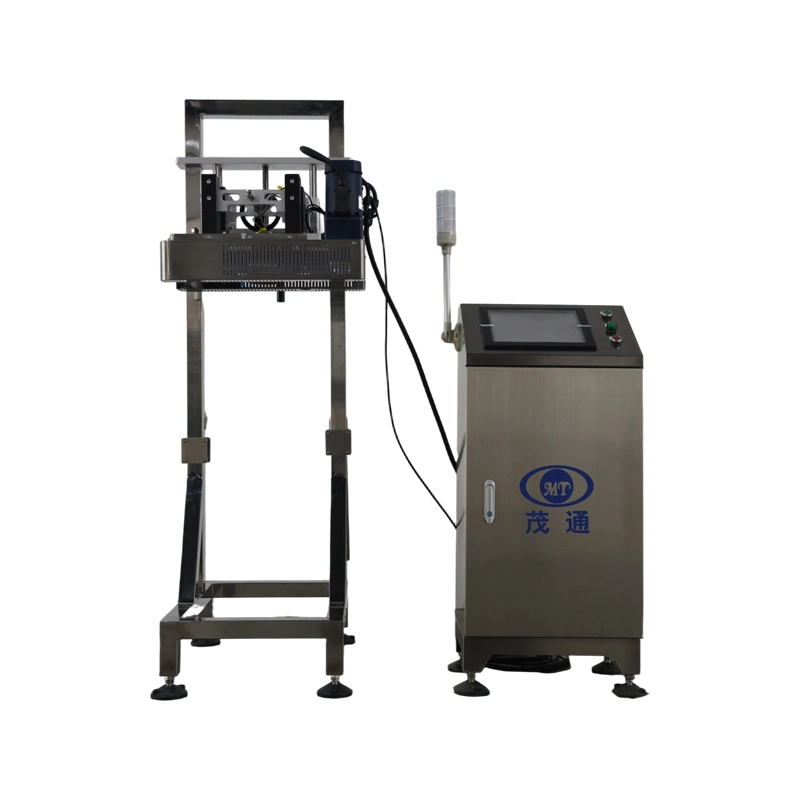
In a single pass on the conveyor, the PE Bottle Squeeze Leak Detection Machine performs:
The machine is described as using a contact-based online detection method that reflects internal pressure characteristics during inspection, supported by a proprietary DSP digital signal processing algorithm. For production environments that start and stop, it also includes adaptive speed tracking, stopping when the production line stops to help prevent bottle jamming or damage.
For buyers comparing solutions, the key takeaway is practical: the PE Bottle Squeeze Leak Detection Machine is built for inline inspection at speed, with a rejector and on-screen result presentation via a human-machine interface.
Where it fits in packaging operations
The stated applicable inspection objects include:
This scope matters during procurement. If your product category falls outside these specified objects—especially if it involves CO2—confirm compatibility before line integration.
When combined with upstream and downstream checkpoints, the PE Bottle Squeeze Leak Detection Machine can sit alongside other inline controls such as a Code Inspection Machine or a Can Pressure Tester, depending on the line’s overall quality plan.
How belt squeeze and dual-sensor comparison works
The PE Bottle Squeeze Leak Detection Machine includes an extrusion (squeeze) section and two sensor positions described as S1 and S2. The working sequence is outlined as follows:

Operationally, the comparison between Pressure 1 and Pressure 2 is used to determine whether pressure has released during the controlled squeeze section—an indicator used for leak discrimination in this equipment’s stated principle.
Key performance parameters buyers typically check first
The specification set published for the PE Bottle Squeeze Leak Detection Machine includes the following parameters.
| Item | Parameter |
|---|---|
| Maximum inspection speed | Exceeds 600 bottles/minute |
| Detection range | 0.08 to 0.5 MPa |
| Accuracy | Better than 0.02 MPa |
| Rejection rate | ≥99.99% |
| False reject rate | ≤0.03% |
| Power supply / consumption | Single-phase AC 220V, 50Hz / 250W |
| Compressed air | 4–8 bar |
| Operating environment | 0–50°C, 10%–80% RH |
| Interface and functions | Human-machine interface, dynamic rejection data display, impact light alarm, continuous rejection shutdown, 24-hour remote assistance, Chinese language menu |
Note the stated condition that excessive vertical vibration of the conveyor chain can affect accuracy—this is one of the most practical details to evaluate during site review.
Installation and operating checklist for stable results
For stable inspection with the PE Bottle Squeeze Leak Detection Machine, the published installation guidance emphasizes line geometry, alignment, and utilities.
Conveyor and alignment
Utilities and pre-start checks
Process conditions that influence consistency
If you need the product page for procurement files, specifications, or internal review, see PE Bottle Squeeze Leak Detection Machine.