Four Safety Rules Every PP Bottle Leak Detection Machine Operator Needs
Safe operation of a PP Bottle Leak Detection Machine is mostly about controlling a few predictable risks: moving rejection parts, sensor-triggered actions, energized electrical connections, and servicing work where someone could restart the machine unexpectedly. The manufacturer’s safe-operation precautions (Sections 3.5–3.8) are short for a reason—they focus on the actions most likely to prevent injuries and avoid damage to sensitive components.

What the PP Bottle Leak Detection Machine is used for
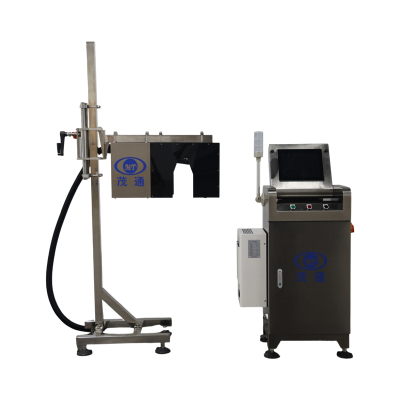
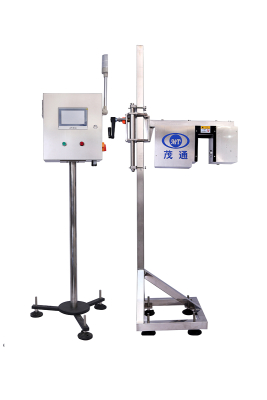
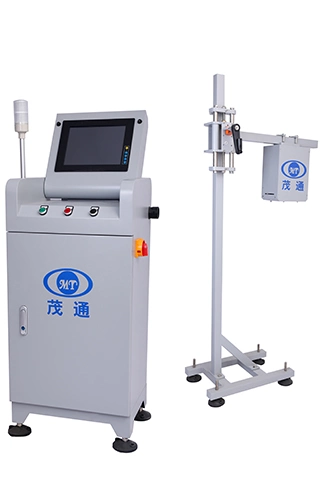
The PP Bottle Leak Detection Machine is described as a fully automated inspection system designed to assess the seal quality of aluminum films on PET/PE bottle caps. It is intended for in-line inspection and supports adaptive product tracking, high-speed rejection of defective products, and human–machine interface operation. The inspection principle described for this PP Bottle Leak Detection Machine involves capturing heat distribution on the bottle cap surface with an infrared thermal imaging camera, where abnormal heat distribution can indicate sealing defects.
This setup means operators work near automated sensing and rejection functions that can react quickly once a product enters the detection zone. Because the machine combines conveyors, sensors, air-powered rejection, and electrical controls, safe operation depends on respecting the machine’s automatic motion and servicing boundaries every time it runs.

Rule 3.5 Keep hands away from the reject cylinder linkage
Safety Rule 3.5: When the machine is running, keep your hands away from the connecting rod assembly of the reject cylinder.
A PP Bottle Leak Detection Machine can reject defective products automatically. That automatic action is exactly why the reject cylinder linkage must be treated as a hazard zone during operation.
Practical shop-floor habits that match Rule 3.5:
Rule 3.6 Do not touch or block the photoelectric switch
Safety Rule 3.6: When the machine is running, do not block or accidentally touch the photoelectric switch that triggers the product, as this may cause the reject cylinder to malfunction and injure someone.
On a PP Bottle Leak Detection Machine, the photoelectric switch is part of the trigger logic for the rejection action. If it is blocked or touched, rejection can occur unexpectedly, which increases the chance of abnormal movement and operator injury.
Operator practices aligned with Rule 3.6:
Rule 3.7 Never disconnect electrical connections while powered
Safety Rule 3.7: When the machine is powered on, do not disconnect any electrical connections, as this may damage electrical components.
The manufacturer notes that electronic components inside the PP Bottle Leak Detection Machine are sensitive to static electricity and require proper grounding of the machine frame and control cabinet. In practice, protecting electrical integrity starts with two basics: correct connection and correct sequencing.
Electrical and air supply conditions to verify
The installation specifications for the PP Bottle Leak Detection Machine include:
| Item | Specification |
|---|---|
| Power supply | Single-phase AC 220V |
| Frequency | 50Hz |
| Total power | 250W |
| Compressed air pressure | 4–8 bar |
| Grounding | Machine frame and control cabinet must be properly grounded |
Before connecting power, the instructions also call for checking cables for looseness and confirming grounding.
External device connections
The safe-operation precautions also specify: before connecting external devices, ensure both the device and the external device are powered off. Power should only be turned on after completing the connection.
Rule 3.8 Mark the equipment during servicing
Safety Rule 3.8: When servicing the machine, mark the equipment with a sign to prevent personal injury.
Maintenance changes the normal “rules of space” around a PP Bottle Leak Detection Machine—covers may be opened and staff may be working near areas that are normally guarded. A visible sign helps prevent accidental operation while someone is servicing the equipment.
The same safety section also states:
Quick daily checklist for safer shifts
A short checklist makes the key requirements easier to repeat consistently on a PP Bottle Leak Detection Machine.
| Checkpoint | What to do | When |
|---|---|---|
| Reject cylinder linkage | Keep hands away from the connecting rod assembly | During operation |
| Photoelectric switch | Do not block or touch the switch that triggers the product | During operation |
| Electrical connections | Do not disconnect any electrical connections while powered on | During operation |
| Warning sign for servicing | Mark the equipment with a sign before servicing | During servicing |
| Protective cover | Do not operate with the cover open | Before and during operation |
| Utilities shutdown | Turn OFF power and compressed air before opening the cover | Before maintenance |
| Grounding | Ensure frame and control cabinet are properly grounded | Before operation |
Installation conditions that support stable operation
For reliable testing, the installation guidance recommends placing the PP Bottle Leak Detection Machine on a straight conveyor section approximately 1.5–2 meters long after the electromagnetic sealer. The operating environment described includes:
These conditions support stable operation and help the PP Bottle Leak Detection Machine run as intended on a conveyor system.
Where to confirm specifications and safety details
For the full product specifications, installation requirements, and safe-operation precautions, refer to the manufacturer’s page for the PP Bottle Leak Detection Machine. For related equipment listings, the Infrared Imaging Inspection category provides additional context.