Plan Space and Utilities for a PP Bottle Leak Detection Machine
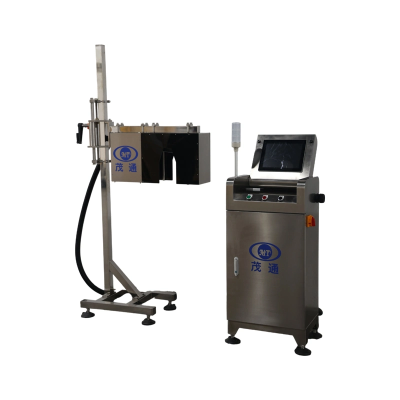
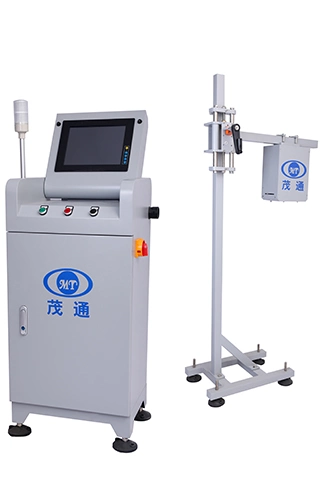
Installing an inline inspection station goes faster when the physical envelope, mounting method, and utility requirements are confirmed before the machine arrives on site. For buyers comparing layouts, the PP Bottle Leak Detection Machine is specified at 600mm × 500mm × 1700mm, built on a 304 stainless steel frame mounted on a conveyor belt, with an approximate weight of 50kg. It also requires single-phase AC 220V, 50Hz (250W) and 4–8 bar compressed air.
Why dimensions matter before installation
In a packaging line, “will it fit?” is not only about the floor footprint. A practical pre-install check typically covers:
These checks reduce rework on installation day and help keep line modifications predictable.
3. Equipment Structure and Appearance
This section summarizes the core mechanical specifications that line engineers usually confirm first.

3.1 Overall Dimensions: 600mm × 500mm × 1700mm
The PP Bottle Leak Detection Machine is specified at 600mm × 500mm × 1700mm.
When mapping this envelope onto an existing conveyor, three planning details are typically reviewed:
If the line includes curves or frequent transfers near the target point, reserving a straight run in advance helps avoid last-minute conveyor rearrangement.
3.2 Frame Structure: 304 stainless steel, mounted on a conveyor belt
The machine uses a 304 stainless steel frame and is mounted on a conveyor belt.
From an integration standpoint, this specification answers two common buyer questions:
For buyers standardizing materials across inspection stations, the frame specification makes it easier to align with existing conveyor and line hardware practices.
3.3 Weight: Approximately 50kg
The equipment weight is specified as approximately 50kg.
Weight matters for more than shipping—it affects how the unit is handled during positioning and how confidently it can be mounted at the selected conveyor segment. Typical preparation steps include choosing suitable lifting and handling tools and ensuring the equipment is securely packaged and protected against movement during transportation, with particular attention to protecting sensors from compression and pulling forces.
Installation requirements and line integration checklist
Beyond the mechanical envelope, buyers usually confirm the required utilities and positioning rules during layout review.
| Parameter | Specification |
|---|---|
| Overall Dimensions | 600mm × 500mm × 1700mm |
| Frame Structure | 304 stainless steel, mounted on a conveyor belt |
| Weight | Approximately 50kg |
| Recommended Straight Conveyor Section | 1.5–2m |
| Recommended Installation Position | After electromagnetic sealing machine |
| Power Supply | Single-phase AC 220V, 50Hz |
| Total Power | 250W |
| Compressed Air Pressure | 4–8 bar (industrial quality standard) |
| Operating / Storage Temperature | 0–50°C |
| Relative Humidity | 10–80% |
In addition, standard installation practice includes placing the unit on a level surface, keeping conveyor belts parallel where applicable, and checking wiring and grounding before energizing the system.
For buyers comparing multiple inline inspection stations, it can be helpful to cross-check utility requirements against other equipment specifications such as the Bag Air Tightness Detection Machine and the Can Pressure Tester, which list the same power and air connection requirements.
Safe operation points commonly reviewed at commissioning
Before production startup, the following operating precautions are typically verified on site:
Where to confirm official specifications
For the complete specification and installation notes, refer to the official product page for the PP Bottle Leak Detection Machine.