Move and Install Your PP Bottle Leak Detection Machine Safely
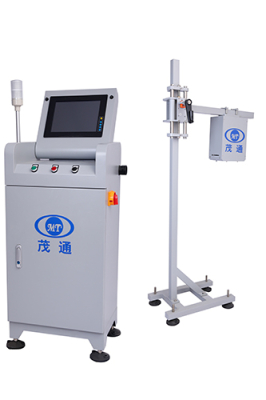
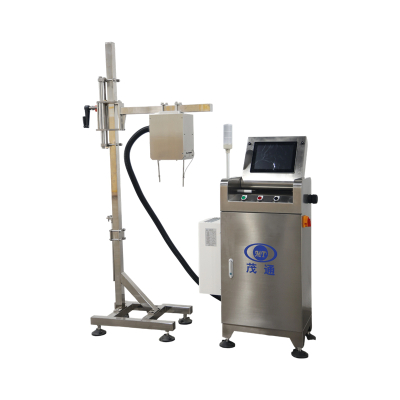
The PP Bottle Leak Detection Machine is built for non-contact, in-line inspection of aluminum film sealing quality on PET/PE bottle caps. Because the system includes sensors, electrical components, and a conveyor-mounted structure, careful transportation, unloading, storage, and installation help keep the PP Bottle Leak Detection Machine operating as intended—especially when it is moved between facilities or integrated into a new line.

What the equipment is designed to do on the line
The PP Bottle Leak Detection Machine is positioned after electromagnetic heating of the aluminum foil, where sealing is completed as heat transfers to the bottle cap through conduction. An infrared thermal imaging camera captures the heat distribution on the bottle cap surface; this distribution reflects the degree of compression between the gasket and the cap and therefore indirectly reflects sealing quality. When defects occur, the heat distribution becomes abnormal.
The product documentation also describes non-contact, on-line “knock” detection using acoustic technology, supported by a hardware circuit and an embedded operating system designed for stable long-term operation.
For buyers evaluating fit, the PP Bottle Leak Detection Machine is specified for:
Transportation checklist for the PP Bottle Leak Detection Machine
During transportation, the priority is preventing mechanical stress and environmental exposure that can affect the PP Bottle Leak Detection Machine, especially around the sensor assembly.
Secure and package before moving
Protect the sensor from pressure and tension
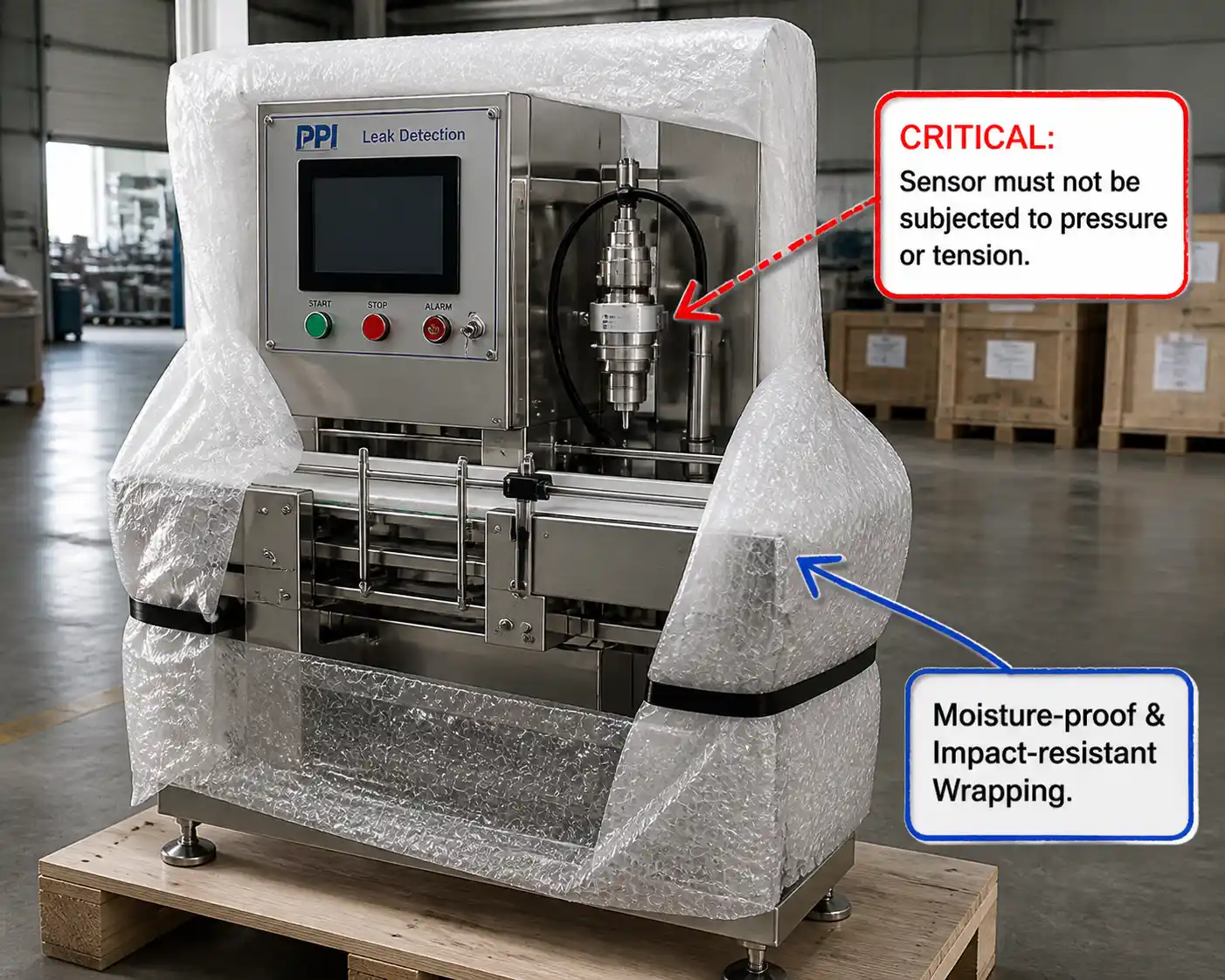
The documentation emphasizes a single critical rule: the sensor must not be subjected to pressure or tension during transportation, loading, or unloading. Avoid any pulling force on assemblies or any direct compression that could shift alignment.
Use moisture-proof and impact-resistant wrapping
Wrap the exterior of the PP Bottle Leak Detection Machine with moisture-proof, impact-resistant material to help prevent:
Safe unloading and positioning steps
Unloading should be planned around the equipment’s physical characteristics and its conveyor-mounted structure.
Structure and appearance (as specified):
| Item | Specification |
|---|---|
| Overall dimensions | 600 mm × 500 mm × 1700 mm |
| Frame structure | 304 stainless steel, conveyor-mounted |
| Weight | Approximately 50 kg |
Recommended sequence for unloading the PP Bottle Leak Detection Machine:
Storage and operating environment requirements
To help maintain stable operation, store and run the PP Bottle Leak Detection Machine within the specified environmental ranges:
| Parameter | Specified range |
|---|---|
| Temperature (storage and operation) | 0°C–50°C |
| Relative humidity | 10%–80% |
For storage periods, keep protective packaging effective until installation, continuing the same moisture protection approach used for transportation.
Installation requirements after the electromagnetic sealer
For optimal testing, install the PP Bottle Leak Detection Machine on a straight conveyor path 1.5–2 meters long after the electromagnetic sealer.
Utility and placement specifications:
| Item | Requirement |
|---|---|
| Installation position | Straight path 1.5–2 m after electromagnetic sealer |
| Power supply | Single-phase AC 220V |
| Frequency | 50 Hz |
| Total power | 250 W |
| Compressed air pressure | 4–8 bar |
| Mounting | Conveyor-mounted |
Before powering on, check for loose cables and confirm the grounding wire of the rack control box. Confirm compressed air supply pressure meets the specified range.
For product documentation and specifications, see the PP Bottle Leak Detection Machine page. For related solutions, browse Infrared Imaging Inspection.
Safety precautions that must be verified before operation
Operational and maintenance handling directly affects both personnel safety and electrical component integrity. Key precautions include: