Set Stable Conditions for Cap and Liquid Level Inspection
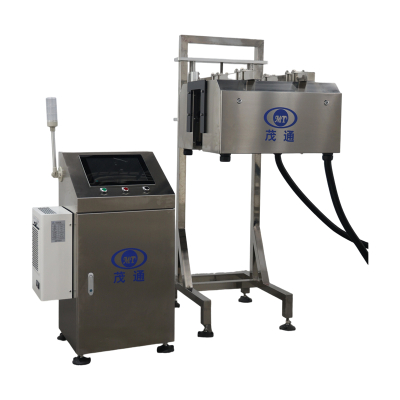
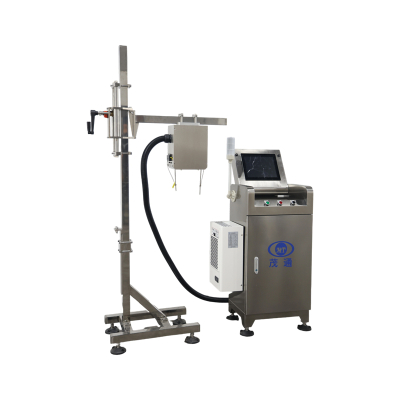
In high-speed PET bottle production, inspection performance depends on more than cameras, lighting, and software. The surrounding environment also plays a crucial role. A Cap and Liquid Level Inspection Machine is designed to inspect cap defects, anti-theft ring integrity, liquid level accuracy, and inkjet printing quality while automatically rejecting non-conforming products. To support stable operation at up to 60,000 bottles per hour, buyers should confirm the site conditions before installation, commissioning, and long-term production.

What the Machine Checks on PET Bottle Lines
The Cap and Liquid Level Inspection Machine is used for PET bottles with a filling capacity range of 200 ml to 2 L. Its inspection criteria include missing caps, high caps, crooked caps, damaged or broken anti-theft rings, low liquid level, presence of inkjet code, and excessive or abnormal inkjet printing.
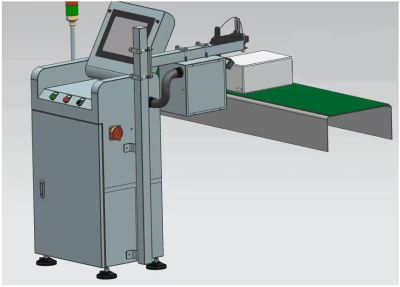
The detection workflow follows an inline sequence. As each PET bottle passes the positioning sensor, the control unit records the bottle ID and encoder signal. The sensor then triggers cameras to capture images of the cap, liquid level, and inkjet code. The image processor analyzes the captured data and sends results to the HMI and PLC control unit. If a rejection signal is generated, the rejector removes the corresponding bottle from the line.

Environmental Requirements That Should Be Confirmed
Altitude from 5 to 3,000 meters
The recommended altitude range is 5 to 3,000 meters above sea level. Keeping the machine within this range supports the normal operating requirements of the system. For production plants located in mountainous or elevated regions, altitude should be reviewed during the project planning stage rather than after the equipment arrives, so that any special measures can be arranged in advance.
Ambient temperature from 5°C to 40°C
The Cap and Liquid Level Inspection Machine should operate in an ambient temperature range of 5°C to 40°C. Temperature stability is important for electrical cabinets, cameras, LED light sources, sensors, and control components. In practical factory planning, the goal is not only to stay within the allowed range, but also to avoid sudden environmental changes that may affect stable image capture and detection performance during continuous production.
Relative humidity from 50% to 65% RH
The recommended relative humidity range is 50% to 65% RH. For vision-based inspection, humidity control helps maintain a cleaner environment around optical and electrical components. In beverage production workshops, humidity management is especially relevant because water droplets, condensation, or unsuitable storage conditions may influence installation quality and later operation.
Factory Requirements Before Installation
The production site should meet the normal operating requirements of the equipment. Floor flatness, load-bearing capacity, and related facility conditions must comply with national standards. These items are not simply construction details; they affect how securely the inspection module, cabinet, conveyor area, and rejector can be positioned and fixed.
A practical pre-installation review should include the following items:
| Item | Requirement |
|---|---|
| Bottle type | PET bottles |
| Filling capacity range | 200 ml–2 L |
| Maximum throughput | Up to 60,000 bottles/hour |
| Power supply | 220V, 50Hz, single-phase |
| Total power consumption | Approx. 2.4 kW |
| Control voltage | 24 VDC |
| Compressed air supply | Minimum 4 Pa, maximum 12 Pa |
| Installation location | Determined according to the customer’s production line layout |
For existing lines, the installation position should be reviewed together with the conveyor layout, bottle spacing, rejection path, power connection, compressed air connection, and access for routine operation and maintenance. Careful preparation reduces unnecessary on-site adjustment during commissioning.
Storage Conditions After Delivery
Before installation, all components and equipment should be stored in environments that comply with relevant national standards. Proper lubrication and maintenance are required during storage to prevent surface damage or deformation that could affect later installation, commissioning, and operation.
This step is easy to overlook when a project schedule changes or when equipment arrives before the production line is ready. However, the Cap and Liquid Level Inspection Machine includes optical, electrical, mechanical, and pneumatic elements. Careful storage helps preserve component condition and supports smoother startup once the machine is moved into its final production position.
Why Environmental Control Supports Inspection Stability
A Cap and Liquid Level Inspection Machine performs several quality checks in one inline station, so site conditions influence more than one inspection item. Stable surroundings help the camera system capture usable images, support the LED light source, protect electrical components, and maintain consistent rejection timing.
For procurement teams, environmental requirements should be treated as part of the equipment specification, not an afterthought. For production teams, they should become part of the daily operating checklist. When altitude, temperature, humidity, floor quality, power, air supply, and storage practices are all managed correctly, the inspection system is better positioned to support reliable PET bottle quality control.
FAQs
What is the recommended operating altitude?
The recommended altitude range is 5 to 3,000 meters above sea level.
What ambient temperature should the workshop maintain?
The recommended ambient temperature range is 5°C to 40°C.
What humidity range is suitable for operation?
The recommended relative humidity range is 50% to 65% RH.
What products can this machine inspect?
It is designed for PET bottles with a filling capacity range of 200 ml to 2 L.
Which defects are included in the inspection scope?
The inspection scope includes missing caps, high caps, crooked caps, damaged or broken anti-theft rings, low liquid level, inkjet code presence, and abnormal or excessive inkjet printing.
Why should storage conditions be controlled before installation?
Proper storage, lubrication, and maintenance help prevent surface damage or deformation that may affect installation, commissioning, and long-term operation stability.