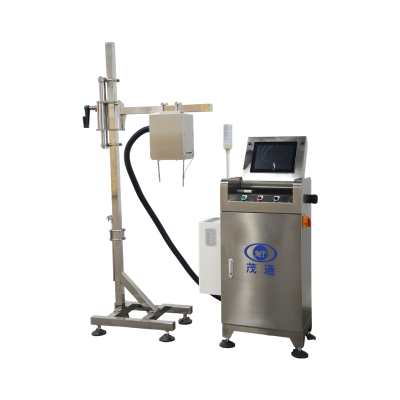
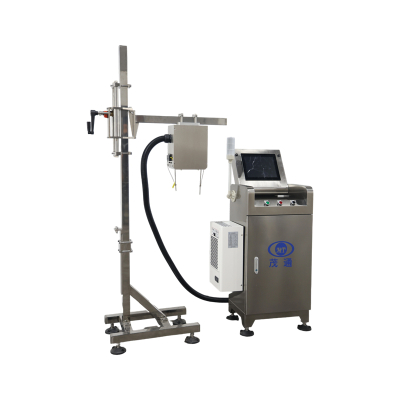
Avoid Transit Damage When Shipping a PE Bottle Squeeze Leak Detection Machine
A PE bottle squeeze leak detection machine is typically integrated directly into a production conveyor, where stable mechanics and consistent sampling conditions matter. From shipment to commissioning, small handling errors—especially around sensor stress, moisture exposure, or conveyor alignment—can show up later as unstable readings or avoidable rejects. This guide consolidates the handling requirements and on-line installation conditions published for the PE bottle squeeze leak detection machine, with a focus on protecting sensors, keeping the frame and conveyors aligned, and confirming utilities and environment before startup.

Transport packaging that protects sensors and structure
During transportation, the PE bottle squeeze leak detection machine must be secured and packaged, with particular attention to preventing the sensor from being subjected to pressure or tension. This single point is critical: external force on sensor-related components during shipment can affect subsequent inspection performance once the PE bottle squeeze leak detection machine is installed on the line.
The exterior of the equipment must be wrapped with moisture-proof, impact-resistant material to prevent scratches, dents, and moisture. In practice, the packaging objective is straightforward: keep surfaces protected, keep the machine from shifting, and keep any load from transferring into sensor assemblies.
Key packaging and shipping requirements include:

Unloading and storage that maintain readiness
Unloading is not just “moving equipment off a truck.” When unloading a PE bottle squeeze leak detection machine, use specialized loading equipment and ensure the equipment is securely mounted to prevent slippage or impact damage. Handling should continue the same principle used in packaging: do not introduce unnecessary mechanical stress to sensors.
Before installation, storage conditions should stay within the specified operating environment:
| Environmental parameter | Requirement |
|---|---|
| Operating temperature | 0–50°C |
| Relative humidity | 10%–80% |
A practical step before positioning the PE bottle squeeze leak detection machine is an external inspection for transit-related damage, plus a check of sensor condition (visible damage or signs of external mechanical stress).
Installation placement and line alignment
Stable transport through the inspection zone depends on correct placement. The PE bottle squeeze leak detection machine should be installed horizontally, with its clamping conveyor parallel to the production conveyor.
Installation conditions published for the PE bottle squeeze leak detection machine specify a straight conveyor section and clear alignment checks:
For buyers who want the manufacturer’s consolidated product description and parameters in one place, see the official listing for the PE Bottle Squeeze Leak Detection Machine.
How the PE bottle squeeze leak detection machine evaluates leakage
The published detection principle for the PE bottle squeeze leak detection machine centers on belt squeeze detection. A guide mechanism at the front pre-squeezes the bottle to create internal pressure; leaks cause pressure release. Two sensors measure pressure characteristics at different positions:
The control sequence described includes: a positioning sensor detecting product arrival and recording ID and encoder signal, a force sensor measuring instantaneous pressure against the belt, pressure data sent to a signal processing board, results shown on the human-machine interface and control unit, and a rejector removing non-conforming products when a rejection signal is issued.
The product description also states adaptive speed tracking, where the PE bottle squeeze leak detection machine follows line speed and stops when the line stops to help prevent bottle jamming or damage.
Specifications to confirm before commissioning
The following parameters are published for the PE bottle squeeze leak detection machine and should be checked against site utilities and line conditions during commissioning:
| Item | Published specification |
|---|---|
| Maximum inspection speed | Exceeds 600 bottles/minute |
| Detection range | 0.08–0.5 MPa |
| Detection accuracy | Better than 0.02 MPa |
| Rejection rate | ≥99.99% |
| False reject rate | ≤0.03% |
| Power supply | Single-phase AC 220V |
| Frequency | 50Hz |
| Total power | 250W |
| Compressed air | 4–8 bar |
| Straight conveyor section | 1.5–2 m |
| Operating temperature | 0–50°C |
| Relative humidity | 10%–80% |
Keeping inspection accuracy stable and false rejects low
Published notes for the PE bottle squeeze leak detection machine highlight operating factors that can influence inspection results. Excessive vertical vibration of the conveyor chain can affect accuracy. Rapid temperature changes and uneven bottle wall thickness can also influence results and may contribute to false rejections.
To keep conditions more consistent, the published recommendation is to inspect products after cooling, or use a single-row conveyor belt where product temperature is uniform.