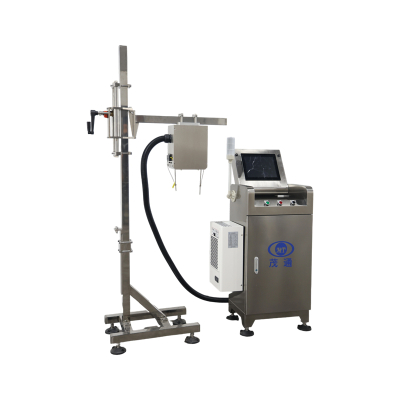
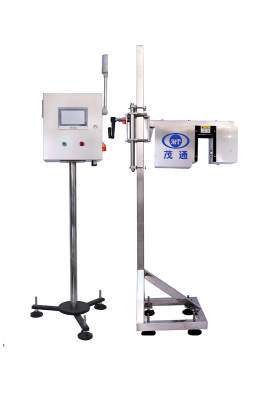
How Belt Squeeze Pressure Comparison Keeps PE Bottles Leak Free
Leak control is one of the most practical checkpoints in packaging quality: a small loss of internal pressure can turn into unstable filling, inconsistent shelf performance, or avoidable rework. For gas-containing containers, an inline method that follows the line speed and rejects defects automatically is often preferred over manual sampling.
The PE Bottle Squeeze Leak Detection Machine is designed for online pressure and leak detection of specified gas-containing containers. It combines belt squeeze detection with dual-sensor pressure comparison and a rejector, and it is positioned for continuous inspection on a production conveyor.

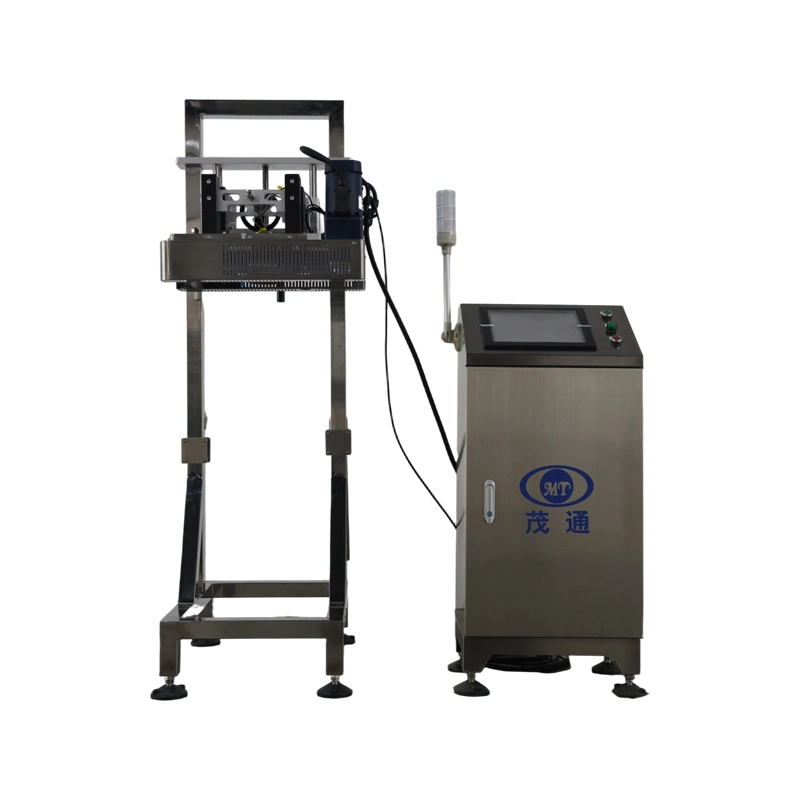
What the PE Bottle Squeeze Leak Detection Machine is built to check
In production terms, the PE Bottle Squeeze Leak Detection Machine focuses on two outcomes: pressure detection and leak detection, with automatic rejection of non-conforming products based on user-defined criteria.
The inspection objects listed for the PE Bottle Squeeze Leak Detection Machine include:
For buyers evaluating where it fits, the key point is that the PE Bottle Squeeze Leak Detection Machine is described for gas-containing containers and is explicitly not intended for CO2-containing products.
How belt squeeze pressure comparison works on the line
At the core of the PE Bottle Squeeze Leak Detection Machine is belt squeeze detection: a flexible belt transports containers while side-mounted sensing captures pressure characteristics, then a controller processes the data.

Front guide mechanism and pre-squeeze stabilization
The PE Bottle Squeeze Leak Detection Machine incorporates a guide mechanism at the front to pre-squeeze PE bottles. The purpose is to keep the bottle at a defined pressure condition during the inspection window. If a bottle has a leak, pressure releases during this process.
Two pressure captures S1 and S2
The equipment uses a dual-sensor sequence:
The PE Bottle Squeeze Leak Detection Machine determines leakage by comparing Pressure 1 and Pressure 2. In simple terms, stable containers maintain pressure characteristics through the measurement zone, while leaking containers show a pressure change between the two points.
How measurement and rejection are coordinated
The detection flow described for the PE Bottle Squeeze Leak Detection Machine includes:
The PE Bottle Squeeze Leak Detection Machine also lists adaptive speed tracking: it automatically adjusts to production line speed and stops when the line stops to help prevent bottle jamming or damage.
Performance parameters buyers typically confirm
Below is the documented performance and parameter set for the PE Bottle Squeeze Leak Detection Machine.
| Item | Specification |
|---|---|
| Detection range | 0.08 to 0.5 MPa |
| Accuracy | Better than 0.02 MPa (may be affected by excessive vertical vibration of the conveyor chain) |
| Maximum inspection speed | Exceeds 600 bottles/minute |
| Rejection rate | ≥99.99% |
| False reject rate | ≤0.03% |
| Pressure support | High- and low-pressure product inspection |
The PE Bottle Squeeze Leak Detection Machine notes that rapid temperature changes and uneven bottle wall thickness can influence results and lead to false rejections. For more reliable results, inspection after cooling or on a single-row conveyor belt where product temperature is uniform is recommended.
In addition, the feature list for the PE Bottle Squeeze Leak Detection Machine includes an acoustic, non-contact inline “knock” detection mode with a maximum speed up to 72,000 BPH, and it also lists a hardware circuit plus embedded operating system for long-term stable operation.
Installation and operating conditions to keep rejection stable
A stable installation helps the PE Bottle Squeeze Leak Detection Machine maintain consistent belt contact and sampling.
Site and alignment requirements
Utilities and environment
| Item | Requirement |
|---|---|
| Power | Single-phase AC 220V, 50Hz |
| Total power | 250W |
| Air supply | 4–8 bar |
| Operating temperature | 0°C to 50°C |
| Relative humidity | 10% to 80% |
Before connecting power, cables should be checked for looseness and the grounding wire of the control box should be verified.
For teams planning a broader inspection layout, the same product portfolio includes a Code Inspection Machine, a Can Pressure Tester, and a Weighing and Inspection Machine for adjacent quality checks.