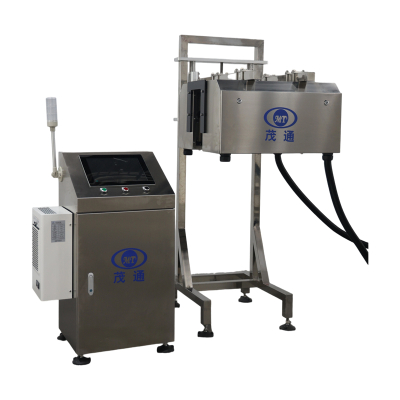
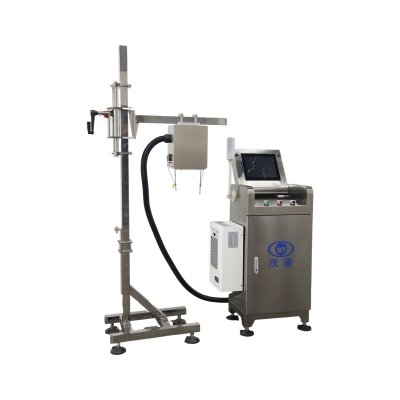
Make Inline Leaks Visible With a PE Bottle Squeeze Leak Detection Machine
Packaging lines that handle gas-containing PE/PET bottles often need a fast, in-line way to confirm sealing integrity without moving products to a separate test station. A PE Bottle Squeeze Leak Detection Machine is designed for that moment—checking pressure characteristics as each container travels on the conveyor, then rejecting non-conforming containers automatically.

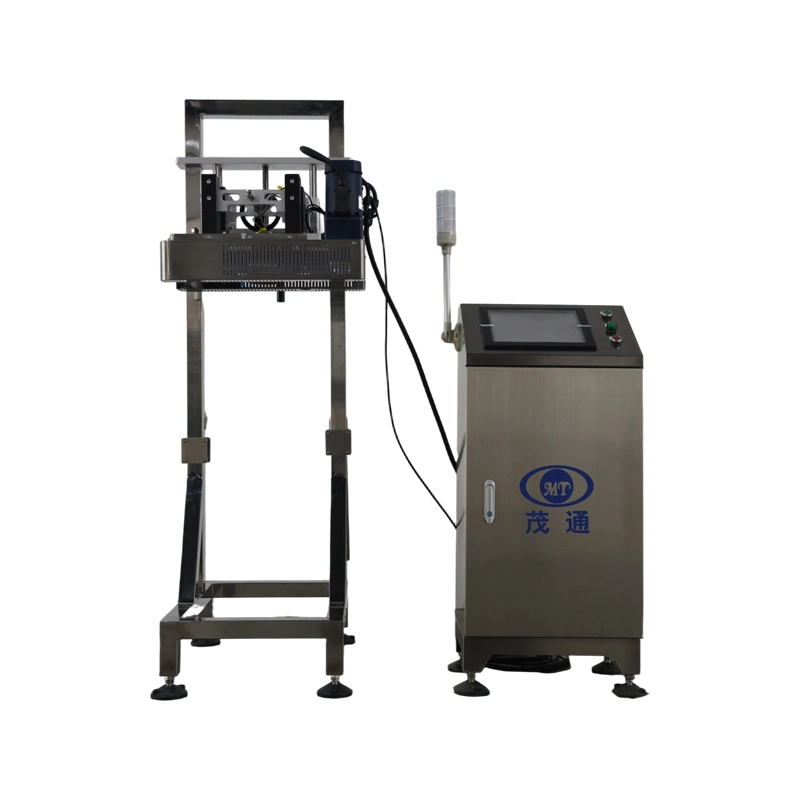
What the equipment is designed to do on a running line
A PE Bottle Squeeze Leak Detection Machine is positioned as an online inspection solution for pressure detection and leak detection, with automatic rejection of products that do not meet user-defined criteria. The inspection is based on contact-based online pressure sensing that reflects internal pressure characteristics during conveyor transport.
In addition to squeeze-based inspection, the same product description also highlights acoustic technology for non-contact, inline “knock” detection with a maximum speed up to 72,000 BPH. For squeeze inspection, the dual-sensor system is described as capable of handling over 600 bottles per minute, supporting high-speed production environments.
For product-page specifications and an at-a-glance feature list, see the PE Bottle Squeeze Leak Detection Machine.
How the PE Bottle Squeeze Leak Detection Machine tracks every container
The PE Bottle Squeeze Leak Detection Machine uses a belt-conveyor-based workflow that ties each measurement to a specific passing product.
Inline detection principle in five operational steps
As described in the equipment’s detection principle:
This “ID + encoder + sensor measurement” coordination is central to keeping the PE Bottle Squeeze Leak Detection Machine stable under continuous flow.
Why dual-sensor squeeze comparison can reveal leaks
A PE Bottle Squeeze Leak Detection Machine is described with an extrusion (squeeze) schematic that compares two pressure readings taken at different points.

S1 and S2 pressure comparison logic
At the front end, a guide mechanism pre-squeezes the PE bottle to keep it at a certain pressure. If there is a leak, pressure is released as fully as possible.
After the bottle is pre-pressed for a period of time:
The PE Bottle Squeeze Leak Detection Machine compares the two pressure values to determine whether the bottle is leaking.
Performance parameters buyers typically verify during evaluation
For a PE Bottle Squeeze Leak Detection Machine, the published performance indicators include range, accuracy, and reject performance. The values below are provided as equipment parameters.
| Parameter | Value |
|---|---|
| Detection range | 0.08 to 0.5 MPa |
| Accuracy | Better than 0.02 MPa (excessive vertical vibration of the conveyor chain will affect detection accuracy) |
| Rejection rate | ≥99.99% |
| False reject rate | ≤0.03% |
| Maximum inspection speed | Exceeds 600 bottles/minute |
Beyond measurement, the product functions and operational features described for the PE Bottle Squeeze Leak Detection Machine include:
For closely related pressure inspection applications, buyers sometimes compare requirements against an Can Pressure Tester when evaluating container types and line layout.
Installation and handling requirements that support stable inspection
A PE Bottle Squeeze Leak Detection Machine is intended for inline installation, and the installation requirements focus on alignment, utilities, and safe handling.
Loading, unloading, and storage
During transportation, the equipment must be secured and packaged, with particular attention to preventing the sensor from being subjected to pressure or tension. Moisture-proof and impact-resistant external wrapping is described to help prevent scratches, dents, and moisture. When unloading, specialized loading equipment is recommended, and secure mounting is emphasized to prevent slipping.
Environmental and utility conditions
Line layout and alignment details
The equipment is specified to be positioned horizontally, ensuring the clamping conveyor belt is parallel to the product’s bottom conveyor belt. For reliable results, installation on a straight section of the production line around 1.5–2 meters is recommended.
Before connecting power, checking cables for looseness and verifying the grounding wire of the control box are explicitly described steps.
Operating conditions that can influence false rejects
The PE Bottle Squeeze Leak Detection Machine documentation notes several factors that can influence results and contribute to false rejection:
To improve consistency, the guidance recommends inspecting products after cooling or using a single-row conveyor belt where product temperature is uniform. These practices are often used when setting pressure requirements and rejection thresholds.
Applicable inspection objects
The PE Bottle Squeeze Leak Detection Machine is described as applicable to: