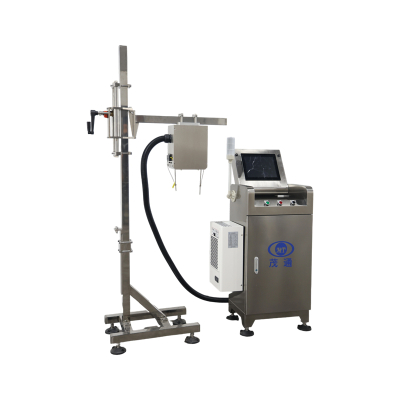
Make Cap Inspection For Tetra Pak Bags Reliable at 24000 Packs
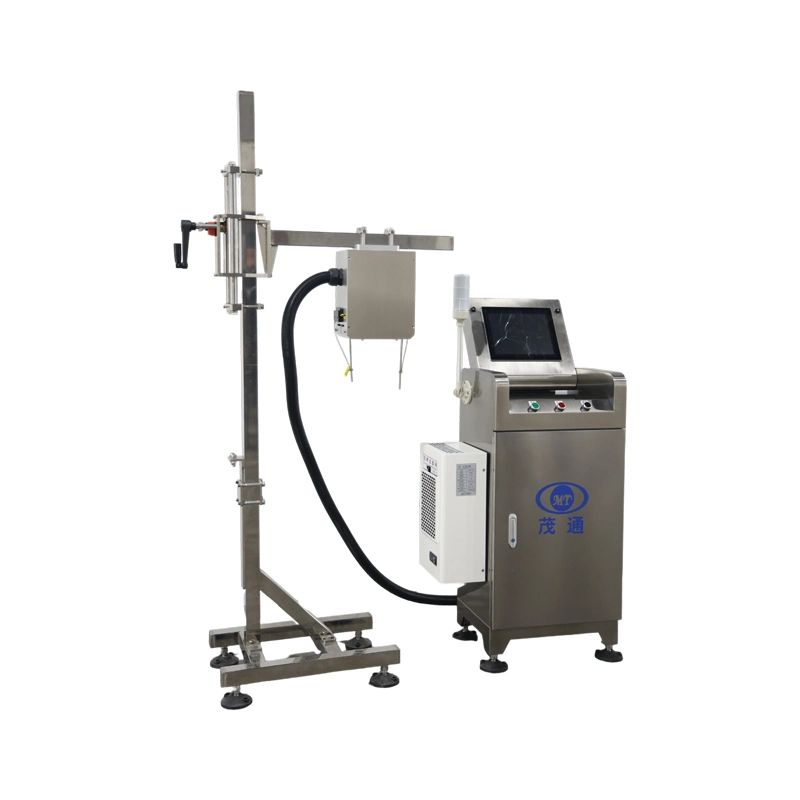
In diamond-pack beverage production, small defects create outsized risk: a missing cap, a shifted closure, or an inkjet code that’s absent or distorted can quickly turn into downstream waste and rework. Cap Inspection For Tetra Pak Bags addresses those issues with online, non-contact inspection that identifies nonconforming packs and triggers automatic rejection. At the center of this approach is the Cap Inspection For Tetra Pak Bags, designed to inspect both cap quality and inkjet printing quality on the same line. Cap Inspection For Tetra Pak Bags supports speeds up to 24,000 packs/hour and is commonly evaluated by buyers who want one inspection point to cover the most frequent cap and code problems without adding manual checks.

How the inline inspection works
Cap Inspection For Tetra Pak Bags is specified for on-site installation 1.5–2 meters straight behind the capping machine. The workflow is designed to be straightforward for line integration:
This sequence is the backbone that enables Cap Inspection For Tetra Pak Bags to combine multiple inspection tasks in one station.

Cap presence detection
For many lines, the most urgent issue is simply ensuring a closure exists. Cap Inspection For Tetra Pak Bags includes cap presence detection and rejects packs with an absent cap.
Specified inspection accuracy for absent cap:
Cap position deviation detection
A cap may be present but not seated in the intended position. Cap Inspection For Tetra Pak Bags checks cap misalignment using a specified criterion of offset from center: 5 mm max.
Specified inspection accuracy for cap misalignment:
Cap rotation detection
Rotation is treated as a separate defect category in Cap Inspection For Tetra Pak Bags. The inspection criterion is specified as a vertical distance difference between cap top/bottom ≥5 mm.
Specified inspection accuracy for cap rotation:
Inkjet code presence verification
Beyond cap checks, Cap Inspection For Tetra Pak Bags verifies whether inkjet printing is present. Packs with no inkjet print are identified and rejected.
Specified inspection accuracy for no inkjet print:
Missing code detection
Not all code problems are “no print.” Cap Inspection For Tetra Pak Bags also supports missing code detection using two specified thresholds for overall missing content:
Code integrity verification
For buyers focused on traceability and day-to-day print stability, Cap Inspection For Tetra Pak Bags includes code integrity checks covering defects such as:
Specified inspection accuracy for deformed, duplicated, or reversed packaging print:
Key specifications and operating features buyers often check
When sourcing Cap Inspection For Tetra Pak Bags, buyers typically confirm not only inspection items and rates, but also whether the system is suited to continuous plant operation:
For quick comparison, the following table summarizes the published inspection accuracy values used in Cap Inspection For Tetra Pak Bags evaluations.
| Inspection item | Inspection content | Rejection rate | False detection rate |
|---|---|---|---|
| Bottle cap inspection | Absent cap | ≥99.99% | ≤0.01% |
| Bottle cap inspection | Cap misalignment (offset from center: 5 mm max) | ≥99.99% | ≤0.01% |
| Bottle cap inspection | Cap rotation (top/bottom vertical difference ≥5 mm) | ≥99.99% | ≤0.03% |
| Inkjet printing inspection | No inkjet print | ≥99.99% | ≤0.01% |
| Inkjet printing inspection | Overall missing >50% | ≥99.99% | ≤0.01% |
| Inkjet printing inspection | Overall missing >30% | ≥99.96% | ≤0.01% |
| Inkjet printing inspection | Deformed, duplicated, or reversed print | ≥99.98% | ≤0.01% |
Where to learn more
For product specifications and the full scope of inspection items, see Cap Inspection For Tetra Pak Bags. Related pages include Tetra Pak Inspection Machine and Tetra Pak Code Inspection Machine.