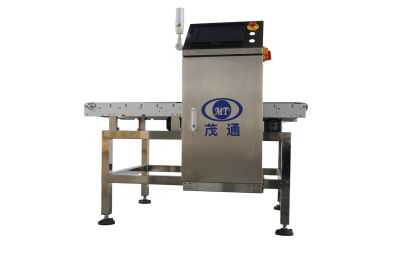
PP Bottle Leak Detection Machine Specs That Protect Fast Lines
Fast beverage lines often discover seal issues too late—after cartons are packed or, worse, after product reaches distribution. A PP Bottle Leak Detection Machine is typically evaluated to keep aluminum foil sealing performance visible in real time, directly on the conveyor, with automatic rejection to prevent questionable packs from moving downstream.

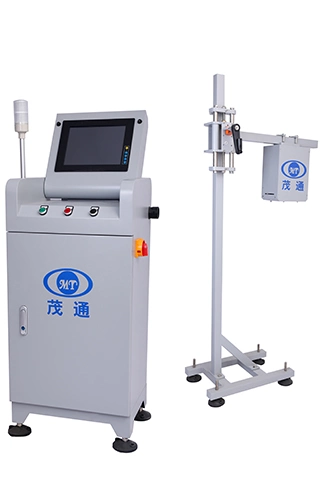
What the PP Bottle Leak Detection Machine is designed to inspect
The PP Bottle Leak Detection Machine is described as a fully automated, non-contact, in-line inspection system for assessing the seal quality of aluminum films on PET/PE bottle caps after electromagnetic sealing. In practical line terms, buyers usually position a PP Bottle Leak Detection Machine as a closure-quality gate: it inspects each cap area at speed and removes products flagged as defective.
The same product description highlights non-contact “knock” detection based on acoustic technology, while its inspection principle section details infrared thermal imaging of heat distribution. When sourcing a PP Bottle Leak Detection Machine, purchasers typically confirm how these stated methods are applied in their specific closure and conveyor conditions.
How the PP Bottle Leak Detection Machine evaluates seal quality
The inspection principle described for the PP Bottle Leak Detection Machine starts immediately after electromagnetic heating of the aluminum foil. Once the heat-sealing film melts and sealing is completed, heat transfers into the bottle cap by conduction. An infrared thermal imaging camera captures the heat distribution on the cap surface.
That temperature distribution is used as an indirect indicator: it reflects the degree of compression between the gasket and the bottle cap, which in turn can indicate whether sealing is normal or abnormal. In other words, the PP Bottle Leak Detection Machine does not describe a direct liquid leakage measurement; it evaluates seal integrity through thermal patterns.

Typical defect categories and corresponding thermal behaviors are summarized as:
Performance and parameters buyers check first
For fast beverage packaging, a PP Bottle Leak Detection Machine is usually compared on three practical metrics: throughput, accuracy including false rejects, and how reliably the reject action stays synchronized at speed.
Key technical specifications
The following parameters are listed for the PP Bottle Leak Detection Machine and are commonly used as a fit check during procurement:
| Item | Specification |
|---|---|
| Maximum inspection speed | >300 bottles/minute |
| Detection rate | ≥99.99% |
| False rejection rate | ≤0.03% |
| Applicable cap diameter | 20–200 mm |
| Applicable bottle diameter | 25–250 mm |
| Bottle height | ≤500 mm |
| Power supply | Single-phase AC 220V, 50Hz |
| Total power consumption | 250W |
| Compressed air pressure | 4–8 bar |
| Overall dimensions | 600 × 500 × 1700 mm |
| Weight | Approximately 50 kg |
| Frame material | 304 stainless steel |
| Operating temperature | 0–50°C |
| Relative humidity | 10–80% |
Control and line-integration functions
A PP Bottle Leak Detection Machine is also evaluated by how the operator experience and automation logic reduce day-to-day variability. Listed functions include:
For plants standardizing inspection types, this system sits within the Infrared Imaging Inspection product category, which can simplify how engineering teams group projects and spares.
Installation requirements that affect results
Placement and conveyor stability matter because the PP Bottle Leak Detection Machine depends on consistent inspection conditions.
Installation guidance specifies mounting the equipment on a 1.5–2 meter straight conveyor section after the electromagnetic sealer for best testing. Before power-up, checks typically include confirming cable connections, verifying the rack control box grounding wire, and ensuring the compressed air supply meets the specified 4–8 bar requirement.
Safe operation and maintenance essentials
Safe use of a PP Bottle Leak Detection Machine relies on basic operational discipline:
Never operate the equipment with protective covers open. Before opening the machine, switch OFF electrical power and compressed air.
Operational precautions include keeping hands away from the reject cylinder connecting rod while running, not blocking photoelectric switches that trigger product detection, and not disconnecting electrical connections while powered on. Servicing is described as a task for professionally trained personnel, with warning signage used to prevent unintended operation.