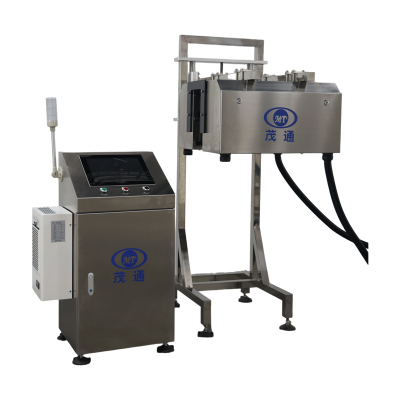
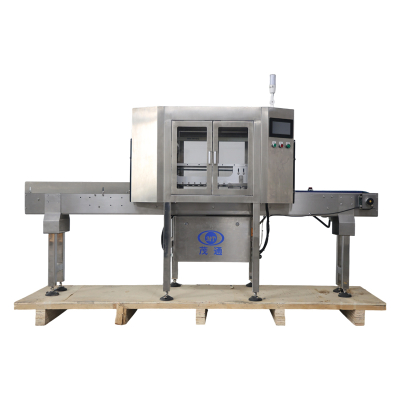
Make Aluminum Foil Seal Checks Reliable With PP Bottle Leak Detection Machine
Aluminum foil seal problems can be hard to confirm once a cap is on—especially when defects sit underneath the closure and move too fast for manual sampling. The PP Bottle Leak Detection Machine is positioned for this exact checkpoint: it is described as a fully automated, inline inspection system for evaluating aluminum film seal quality on PET/PE bottle caps, using non-contact inspection on a conveyor.

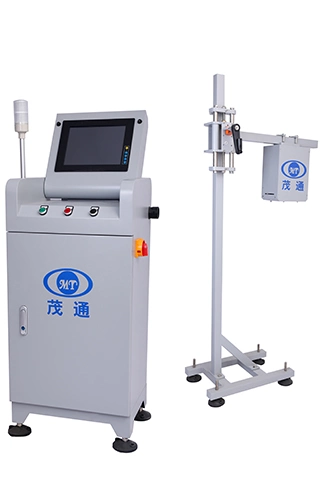
What the PP Bottle Leak Detection Machine is designed to inspect
The PP Bottle Leak Detection Machine is presented as an automated inspection station dedicated to aluminum films on PET/PE bottle caps. Instead of opening caps or performing contact-based checks, it is designed to run online and evaluate seal-related conditions while bottles continue moving.
For buyers comparing inline options, the core value of a PP Bottle Leak Detection Machine is consistency: every bottle can be inspected in real time, rather than relying on periodic sampling.
To review the manufacturer’s product description and configuration notes in one place, see the official page for PP Bottle Leak Detection Machine.
How thermal imaging inspection works after induction sealing
The inspection principle described for the PP Bottle Leak Detection Machine is based on what happens immediately after electromagnetic induction sealing:
This heat distribution is described as reflecting the compression condition between the gasket and the bottle cap, which indirectly reflects seal quality. The obtained thermal imaging images are then analyzed using Maotong image processing software methods to detect defects.

The same product page also lists “acoustic technology” and non-contact, online “knock” detection as part of the machine’s feature set. Procurement teams typically confirm with the supplier how the specific configuration is applied on their line, but the stated inspection objective remains aluminum foil seal quality on capped PET/PE bottles.
Defect types referenced in the product description
The defect mapping on the PP Bottle Leak Detection Machine page groups issues by likely cause and the resulting heat distribution behavior:
| Causes of defects | Defect type | Heat distribution |
|---|---|---|
| Aluminum film problems | Missing, damaged, inverted | Incomplete heat distribution |
| Capping machine problems | Loose cover, crooked cover | Insufficient heat conduction, low temperature |
| Electromagnetic sealing machine problems | False seal, over-seal | Temperature too high or too low |
Throughput and key operating parameters buyers check first
For fast packaging lines, the PP Bottle Leak Detection Machine is specified with the following performance and operating ranges:
| Item | Value |
|---|---|
| Maximum inspection speed | > 300 bottles/minute |
| Detection rate | ≥99.99% |
| False rejection rate | ≤0.03% |
| Applicable cap diameter | 20–200 mm |
| Applicable bottle diameter | 25–250 mm |
| Bottle height | ≤500 mm |
| Power connection | Single-phase AC 220V, 50Hz |
| Total power | 250W |
| Compressed air | 4–8 bar |
| Operating environment | 0°C–50°C; 10%–80% RH |
| Overall dimensions | 600mm × 500mm × 1700mm |
| Weight | Approximately 50kg |
| Frame structure | 304 stainless steel |
In addition to the numbers above, the PP Bottle Leak Detection Machine description highlights: adaptive product tracking, high-speed rejection of defective products, human-machine interface operation, light alarm upon impact, a Chinese language menu, Maotong’s unique DSP digital signal processing algorithm, 24-hour remote assistance, and continuous rejection and shutdown.
Placement and integration notes for stable inline inspection
Where the station sits on the conveyor affects whether the thermal pattern is captured at the intended time window. The recommended installation position for the PP Bottle Leak Detection Machine is on a straight path 1.5–2 meters after the electromagnetic sealer.
The installation notes also include practical commissioning checks that line engineers typically fold into FAT/SAT routines:
Operating safety points used on continuous production lines
The safe operation precautions listed for the PP Bottle Leak Detection Machine focus on preventing unintended motion or component damage during production:
Where this inspection approach is often extended in the same category
Within the same product category, a closely related listing is Health Product Bottles Infrared Imaging Inspection, which is also presented as a thermal-imaging-based, non-contact, inline system with a maximum inspection speed of over 300 bottles per minute.
For procurement teams building a shortlist, aligning the PP Bottle Leak Detection Machine with your cap range, bottle dimensions, available straight conveyor length after the sealer, and utilities (power and compressed air) is typically the fastest way to confirm line fit.