Reject Bad Can Codes Before They Reach Packing
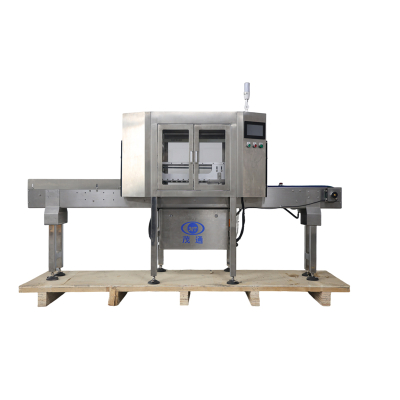
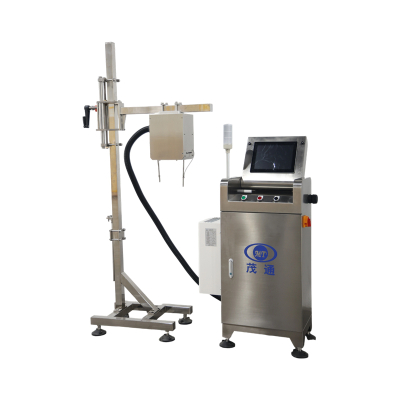
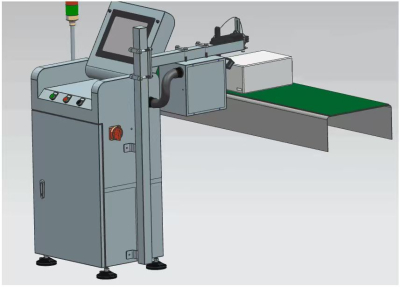
A small inkjet date code on the bottom of a beverage can can truly decide whether a product remains traceable, compliant, and ready for packing. Our Code Inspection System Code Inspection System is specifically designed for inline inspection of inkjet print quality on can bottoms. It helps production teams precisely identify missing, incorrect, blurred, offset, or duplicate codes, automatically removing defective cans from the line.

Why Can Bottom Code Inspection Needs Inline Control
On high-speed beverage can production lines, relying on manual checks to reliably inspect every can simply isn't feasible. A dedicated Code Inspection System, positioned closely after the inkjet printer, ensures that each printed code is thoroughly inspected as the line runs continuously. This strategic placement is critical because it allows for immediate evaluation of print quality before any defects can move further downstream, significantly reducing the need for shift-end sampling or sporadic manual reviews. Such automation reduces reliance on manual inspection, effectively lowering workforce requirements and overall production costs while enhancing throughput and maintaining stringent quality standards.
The Code Inspection System system is widely applied across beverage can production lines. It excels at inspecting inkjet prints on various cans and automatically rejecting any unqualified products. Our non-contact online inspection method ensures absolutely no physical contact with the can body, preventing potential damage. Furthermore, its IP65 protection rating confirms its suitability for robust industrial production environments, guaranteeing stability even in challenging conditions.
How the Code Inspection System Tracks Every Can
The inspection process with the Code Inspection System begins the moment a can passes a sophisticated positioning sensor. The control unit precisely records the can's unique identification number along with the current encoder signal. Immediately after, this sensor triggers a high-resolution Gigabit Ethernet digital camera to capture an image of the can’s bottom code from above. This image is then rapidly transmitted to our proprietary image processor for detailed analysis.
After analysis, the result is sent simultaneously to both the intuitive HMI (Human-Machine Interface) for dynamic display and the control unit. If the system detects an unqualified code, the control unit promptly notifies the rejector to remove the corresponding can from the line. This encoder-based synchronous counting method is a key feature, ensuring that rejection positioning remains perfectly linked to the recorded can, even if the production line experiences speed fluctuations or temporary stops. For those comparing different inline Can Bottom Code Inspection Machines, this precise tracking logic stands out as one of the most practical and reliable aspects to consider.
Key Specifications for Beverage Can Lines
| Item | Code Inspection System Specification |
|---|---|
| Equipment type | Inkjet Printing Inspection System |
| Model | Code Inspection System |
| Applicable production speed | Up to 72,000 cans/hour |
| High-speed rejection | Servo-controlled rejection when exceeding 72,000 BPH |
| Inspection area | Inkjet printer area / can bottom inkjet print quality |
| Rejection method | Precise online rejection of defective cans detected by the inspection unit |
| Safety protection rating | IP65 |
| Inspection method | Non-contact online inspection |
Our Code Inspection System also features comprehensive 360° coding inspection, eliminating any blind spots. It boasts zero-delay detection to prevent false rejects caused by can movement, jamming, or manual placement. For quality analysis, it offers daily automatic storage of defective-product photos with adjustable retention periods. Crucially, our latest Maotong inspection software incorporates optimized algorithms that effectively filter out interference from common can-bottom logos and surface scratches, significantly minimizing false rejects. The system is also equipped with industrial-grade air conditioning to ensure stability during extended operation in high-temperature environments and offers 24/7 remote access capabilities for continuous monitoring and control.
Defects the Code Inspection System Can Identify
The Code Inspection System specializes in the real-time, high-precision inspection of inkjet printing quality on every single can. Its proven detection capabilities cover a wide array of potential defects:
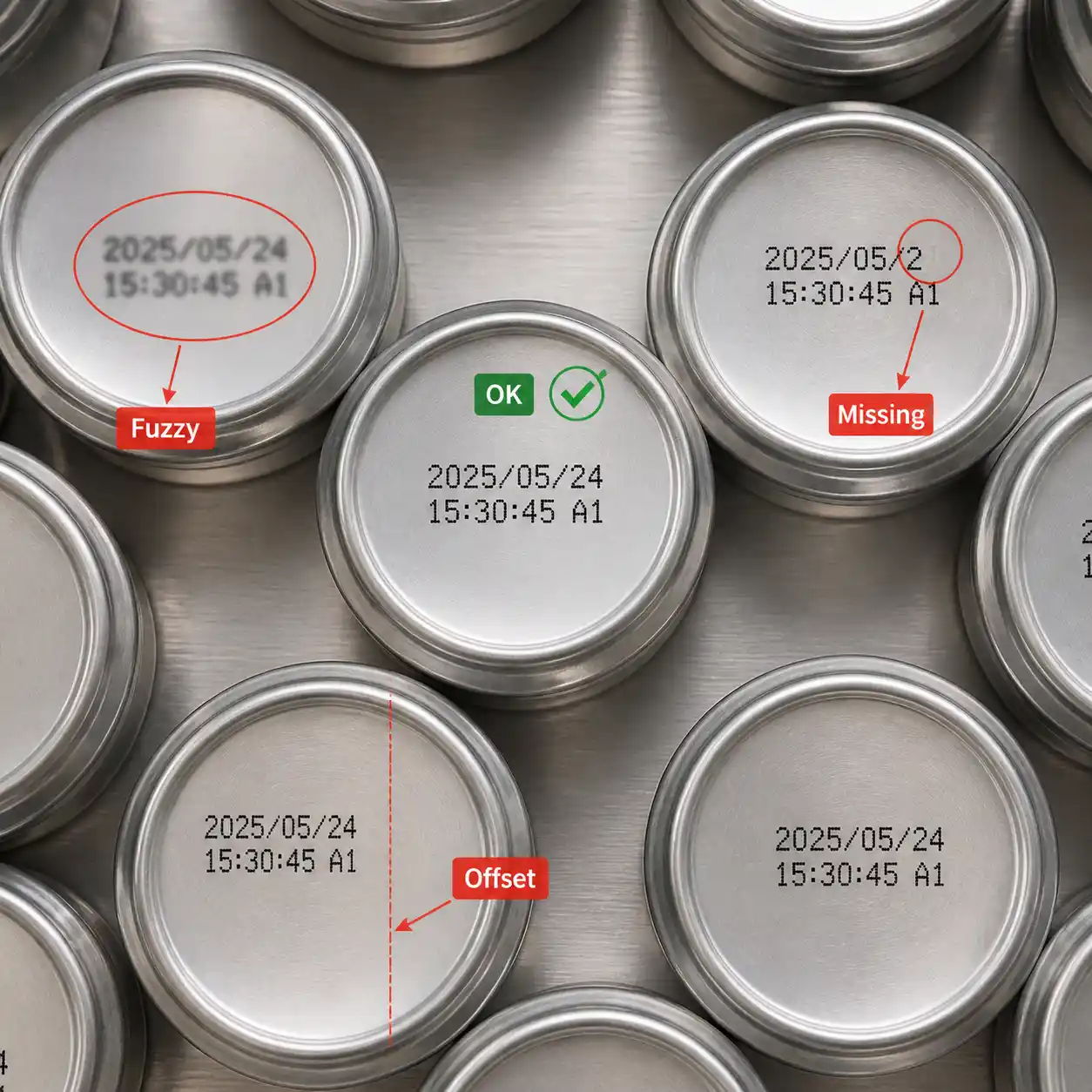
The specified false kick rate for overall inkjet printing inspection is remarkably low, at ≤0.03%. It's important to note that these rejection-rate values represent theoretical experimental data. For example, the no-coding item indicates that among 10,000 tested cans, at most one might theoretically not be rejected; the same interpretation applies to the other listed inspection items, with tests performed in real-time for each can.
Practical Value for Production Teams
A sophisticated Code Inspection System like the Code Inspection System does much more than simply confirm the presence of ink on a can bottom. It meticulously checks code content, character condition, precise position, and potential duplication. A straightforward and practical verification method involves re-running cans produced on a previous day through the line; the system will reliably reject any cans carrying an incorrect production date.
For procurement teams, the key buying questions are often direct and practical: Can the Code Inspection System keep pace with our high-speed production line? Can it accurately reject the correct can even after a line stop or a change in conveyor speed? Can it store defect images for subsequent review and quality analysis? And crucially, can it effectively handle common can-bottom interference, such as logos or scratches? The Code Inspection System comprehensively addresses all these points through its high-speed imaging capabilities, encoder-linked tracking system, automated defect-image storage, and its advanced, dedicated inspection software. This system significantly reduces personnel and production costs, while dramatically improving production efficiency and overall product quality. Its test results consistently meet, and often exceed, the relevant technical specifications and quality benchmarks set by manufacturers.
FAQs
What is the maximum production speed of the Code Inspection System?
The Code Inspection System supports an impressive maximum production speed of up to 72,000 cans per hour, which translates to 1,200 cans per minute. When production speeds exceed 72,000 BPH, the rejection mechanism is precisely servo-controlled to maintain accuracy.
Is the inspection process contact-free?
Yes, absolutely. The Code Inspection System utilizes non-contact online inspection technology. This means the inspection process does not physically touch or cause any damage to the can body, preserving product integrity.
Which code defects can it detect?
Our system is capable of detecting a wide range of code defects, including completely missing inkjet printing, fuzzy or unreadable codes, incorrect dates or factory codes, positional offsets, duplicate codes, character deformation, printing on the can cover, and inverted cans.
How does the system reject the correct defective can?
The system employs a sophisticated method involving a positioning sensor, an encoder signal, and a unique can identification number, all linked during image capture. When the analysis reports an unqualified result, the control unit issues a command to the rejector, which then precisely removes the corresponding defective can from the production line.
What is the stated false kick rate?
The overall false kick rate for our inkjet printing inspection system is specified as an exceptionally low ≤0.03%, ensuring minimal erroneous rejections.