Catch Bad Can Codes Before They Travel Further
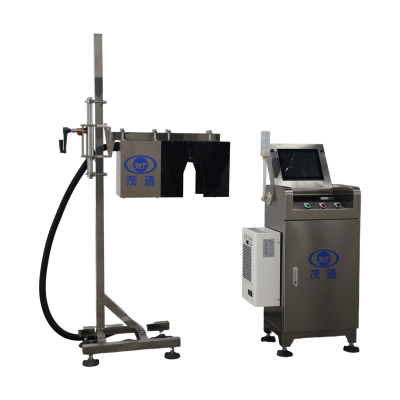
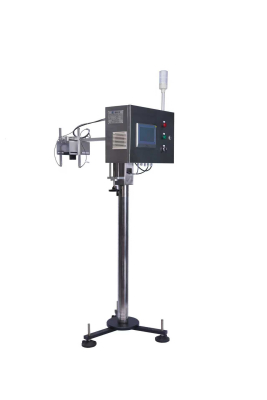
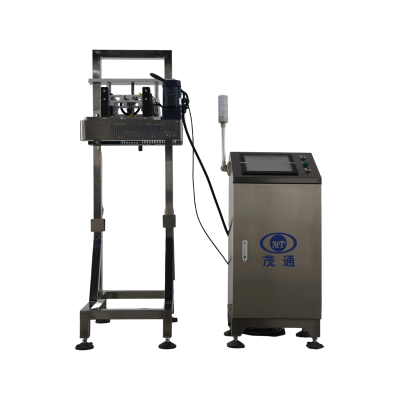
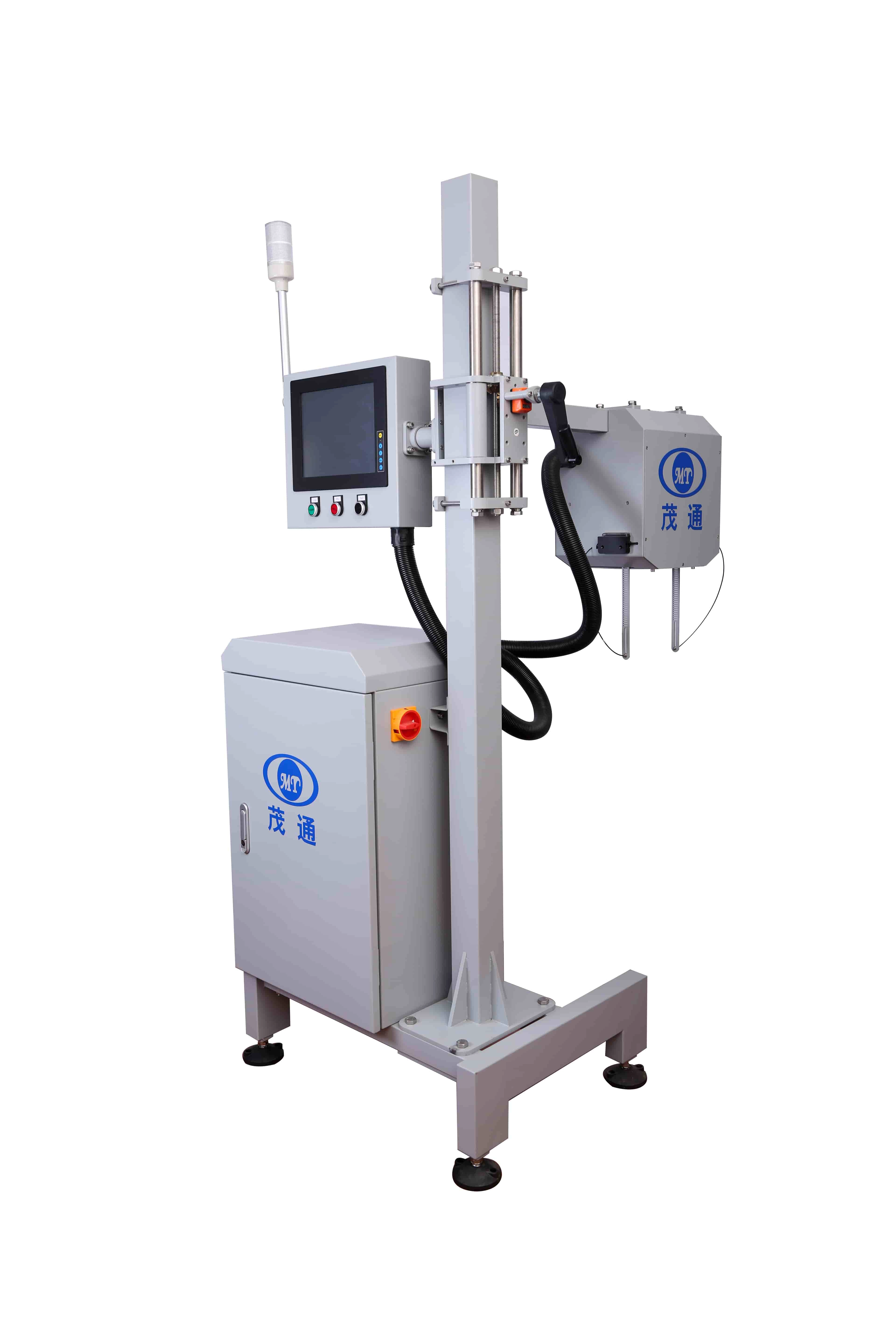
For beverage lines operating at high throughput, manual verification of bottom inkjet codes proves challenging to maintain consistent quality. Our Code Inspection System Code Inspection System offers a robust solution, engineered for non-contact inline inspection of can-bottom printing at remarkable speeds, up to 72,000 cans per hour. This system goes beyond mere ink presence detection; it intelligently interprets printed information, pinpoints critical print defects, and precisely triggers the automatic rejection of any non-conforming cans.
What Our Code Inspection System Checks
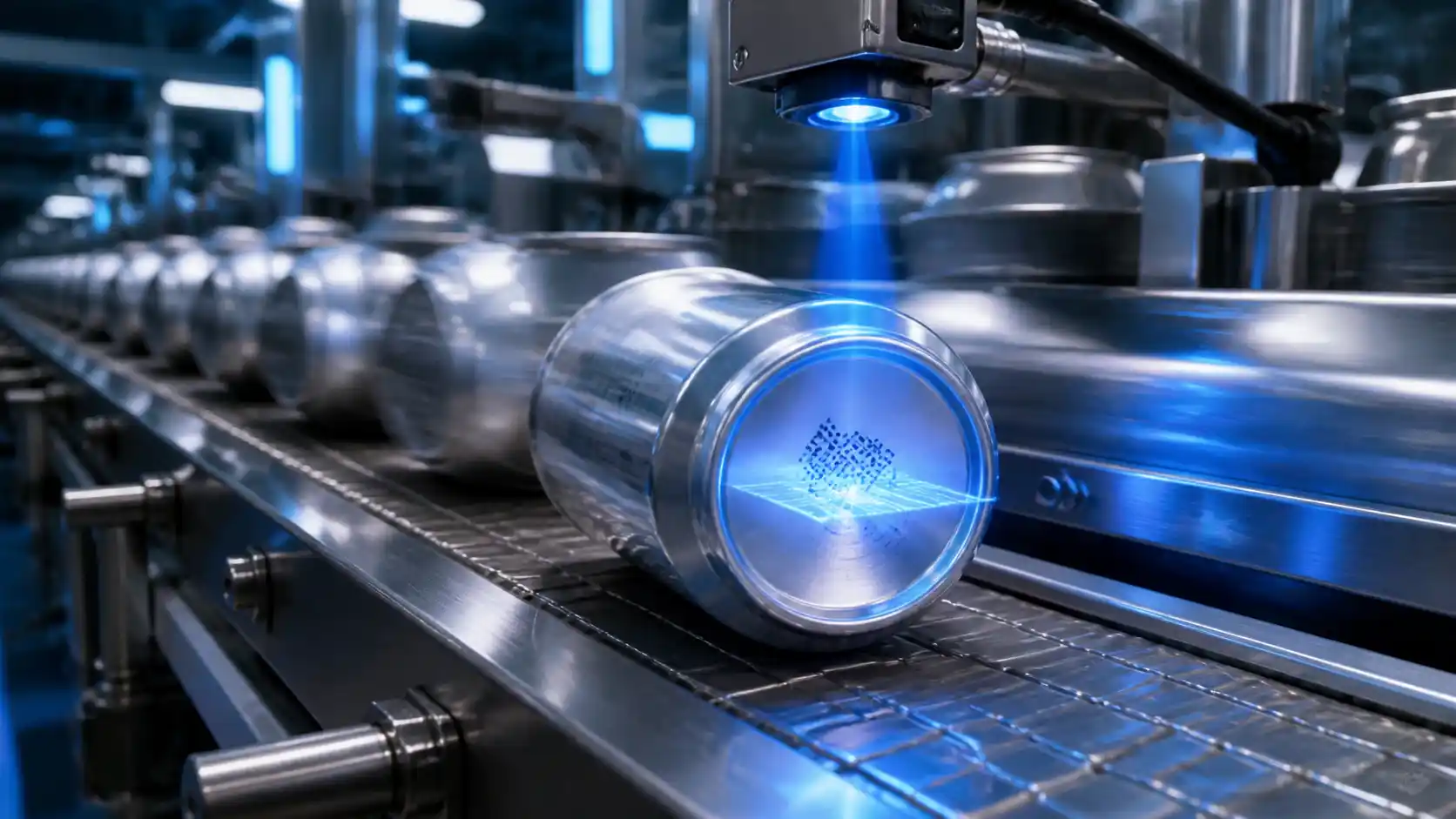
The Can Bottom Code Inspection Machine specifically targets common bottom-code risks inherent in high-speed beverage can production. Our Code Inspection System effectively detects missing inkjet printing, instances of printing on the cover, and inverted cans. For these critical issues, the system boasts a rejection rate exceeding 99.99%, ensuring virtually no faulty products escape the line.
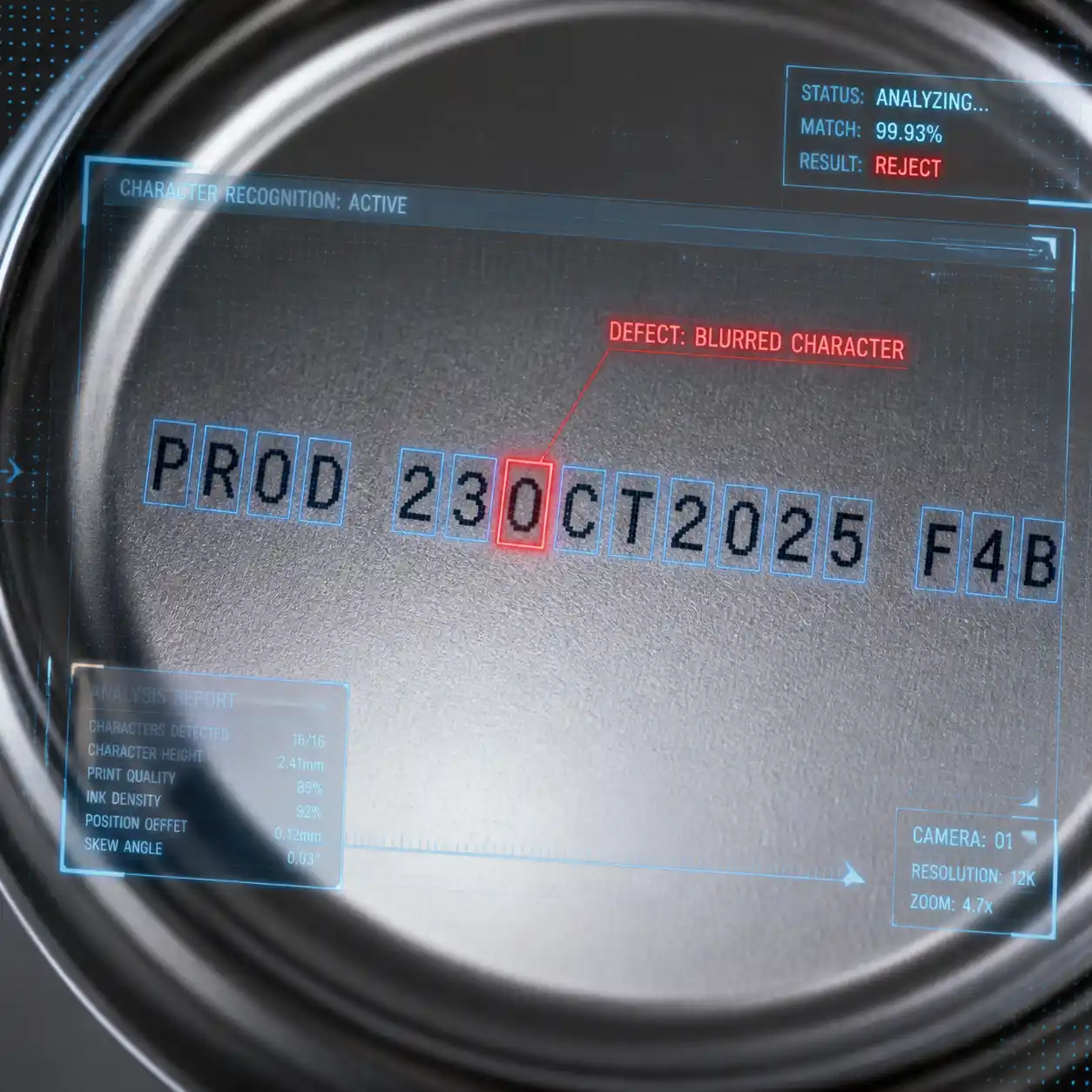
It also rigorously checks for blurred inkjet printing, especially when individual characters become unrecognizable to the human eye. In such conditions, the system achieves a stated rejection rate above 99.93%. Furthermore, if a single character is missing by more than 20%, the system's precise capabilities ensure a rejection rate exceeding 99.8%.
Correctness of printing is another vital function. The Code Inspection System can accurately identify incorrect year, month, and day information, erroneous factory codes, incorrect anti-counterfeiting codes, and any deformation within the code. Crucially, it supports advanced character recognition, enabling it to interpret the actual inkjet printing information rather than simply identifying black marks on the can bottom. This deep understanding of the code's content is what sets our system apart.
Why Content Recognition Matters
A basic visual check that only detects the presence of ink might still allow an outdated or incorrect code to pass through. However, our Code Inspection System, powered by advanced character recognition, can intelligently compare the printed content against expected data, such as current date information and established fixed factory codes. This feature is particularly valuable when cans produced on a previous day inadvertently re-enter the production line; the system can instantly identify the incorrect date code and ensure the affected can is rejected. This proactive approach prevents mislabeled products from reaching consumers.
The system also meticulously checks for position deviation, flagging any code that falls outside its preset tolerance range. Duplicate-code detection is another integral feature, designed to identify instances where multiple codes appear unexpectedly within the designated coding area. For issues like incorrect code, position offset, and duplicate printing, the system consistently achieves a rejection rate exceeding 99.99%, demonstrating exceptional precision and reliability.
Inline Workflow: From Image Capture to Rejection
Our MT-YLG-OCR-03 Code Inspection System is strategically installed immediately after the inkjet printer. The process begins when a positioning sensor accurately detects an arriving can. The control unit promptly records the can's unique identification number and the current encoder signal. Following this, the sensor triggers a high-speed Gigabit Ethernet digital camera to capture a clear image of the can's bottom code from above.
This captured image is then swiftly transmitted to the image processor for in-depth analysis. The inspection results are simultaneously displayed on the Human-Machine Interface (HMI) for real-time monitoring and sent to the control unit. If the code is deemed unacceptable due to any detected defect, the control unit immediately instructs the rejector mechanism to remove the corresponding defective can from the production line. An encoder-based synchronous counting arrangement is integrated to help maintain impeccable rejection accuracy, even when the conveyor speed fluctuates or experiences stops, ensuring consistent quality control.
Key Performance Data for Buyers
Our Code Inspection System delivers exceptional performance critical for efficient and reliable production lines. Here's a breakdown of its key specifications and accuracy:
| Inspection Item | Specified Performance | Rejection Rate | False Kick Rate |
|---|---|---|---|
| Maximum Production Speed | 72,000 cans/hour | -- | -- |
| Protection Rating | IP65 | -- | -- |
| Overall False Kick Rate | -- | -- | ≤0.03% |
| No Printing / Cover Print / Inverted Can | -- | >99.99% | -- |
| Single-Character Missing Portion >20% | -- | >99.8% | -- |
| Human-Eye-Unreadable Blurred Printing | -- | >99.93% | -- |
| Incorrect Inkjet Printing | -- | >99.99% | -- |
| Position Offset | -- | >99.99% | -- |
| Duplicate Inkjet Printing | -- | >99.99% | -- |
These rejection-rate figures represent theoretical experimental data, and it's important to note that all listed inspection items are evaluated in real-time for each individual can. Coupled with automated rejection, smart defect-image storage, comprehensive 360° coding inspection, zero-delay detection, continuous rejection with automatic stopping capabilities, and 24/7 remote access, our Code Inspection System transforms code verification into a continuous, proactive quality-control step, moving far beyond intermittent manual spot checks.
Extension to Tetra Pak Packaging
For paper-packaged beverage lines, Jinan Maotong Inspection also offers the specialized Tetra Pak Straw Pipette Detection system, model MT-LL-PM-C1-01X. This innovative system meticulously inspects both inkjet printing quality and straw presence at impressive speeds of up to 24,000 bags per hour. It is typically installed approximately 0.5–1.0 m downstream of the tube applicator, ensuring optimal inspection at a crucial point in the packaging process.
This configuration maintains all the robust functions found in our can inspection systems, including code presence checking, advanced character recognition, precise position deviation inspection, and reliable duplicate-code detection. Additionally, it integrates essential straw-presence verification, crucial for Tetra Pak products. For accommodating product model changes, its deep-learning approach requires merely around 300 product images for data collection, after which our team constructs and refines the corresponding data model, ensuring truly foolproof detection across all product variations.
FAQs
Can the Code Inspection System check the actual production date?
Yes, absolutely. Our can system is equipped with advanced character recognition capabilities that allow it to accurately verify year, month, and day information, alongside fixed factory and anti-counterfeiting codes, ensuring all date-related data is correct.
What specific defects can the system reject on can-bottom codes?
The system is designed to detect a comprehensive range of defects, including missing printing, cover printing, inverted cans, blurred printing, missing characters (specifically over 20%), incorrect codes, position deviation, and duplicate printing within the designated area.
Where is the can Code Inspection System typically installed?
For optimal performance, the system is installed in close proximity to the inkjet printer. This strategic placement ensures that each can is thoroughly inspected and any defective codes are identified and removed before they can progress further down the production line.
What happens immediately after a defective code is detected?
Upon detection of a defective code, the image processor instantly transmits the result to both the HMI and the control unit. The control unit then precisely commands the rejector mechanism to automatically remove the corresponding defective can from the line without delay.
Is Tetra Pak inspection handled in the same manner as can inspection?
While the underlying detection principle is similar, the Tetra Pak system is specifically installed approximately 0.5–1.0 meters after the tube applicator. A key difference is its added capability for straw-presence inspection, alongside the comprehensive inkjet code inspection, tailored for paper packaging.