Cut Can Coding Risk Before It Leaves Production
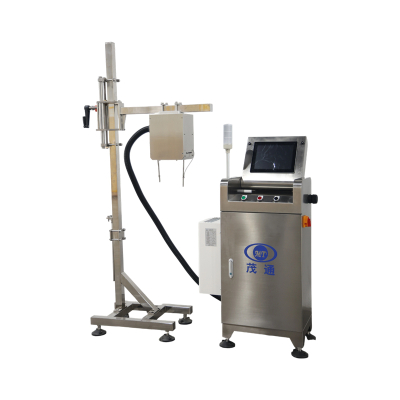
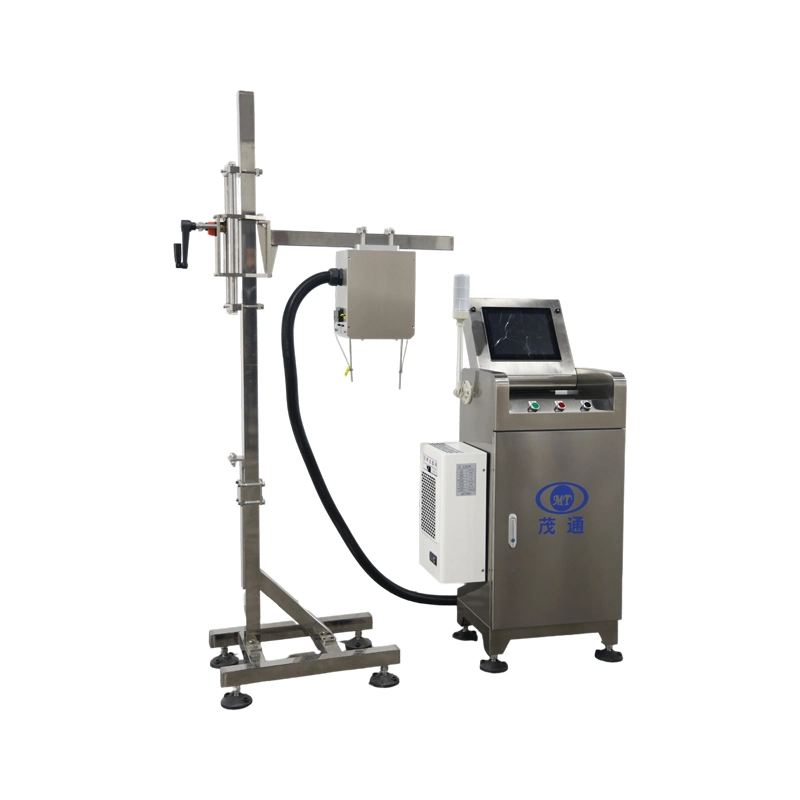
For high-speed beverage can lines, relying on occasional manual checks often creates significant gaps between inspection points. Our Code Inspection System is engineered to meticulously inspect inkjet printing on can bottoms inline, in real-time, and without any physical contact with the can body. For production teams prioritizing speed, traceability, and coding consistency, this system offers tangible benefits: fewer manual inspection tasks, more stable product quality, and test results that consistently align with stringent manufacturing technical standards.
Why Can Bottom Codes Need Inline Inspection
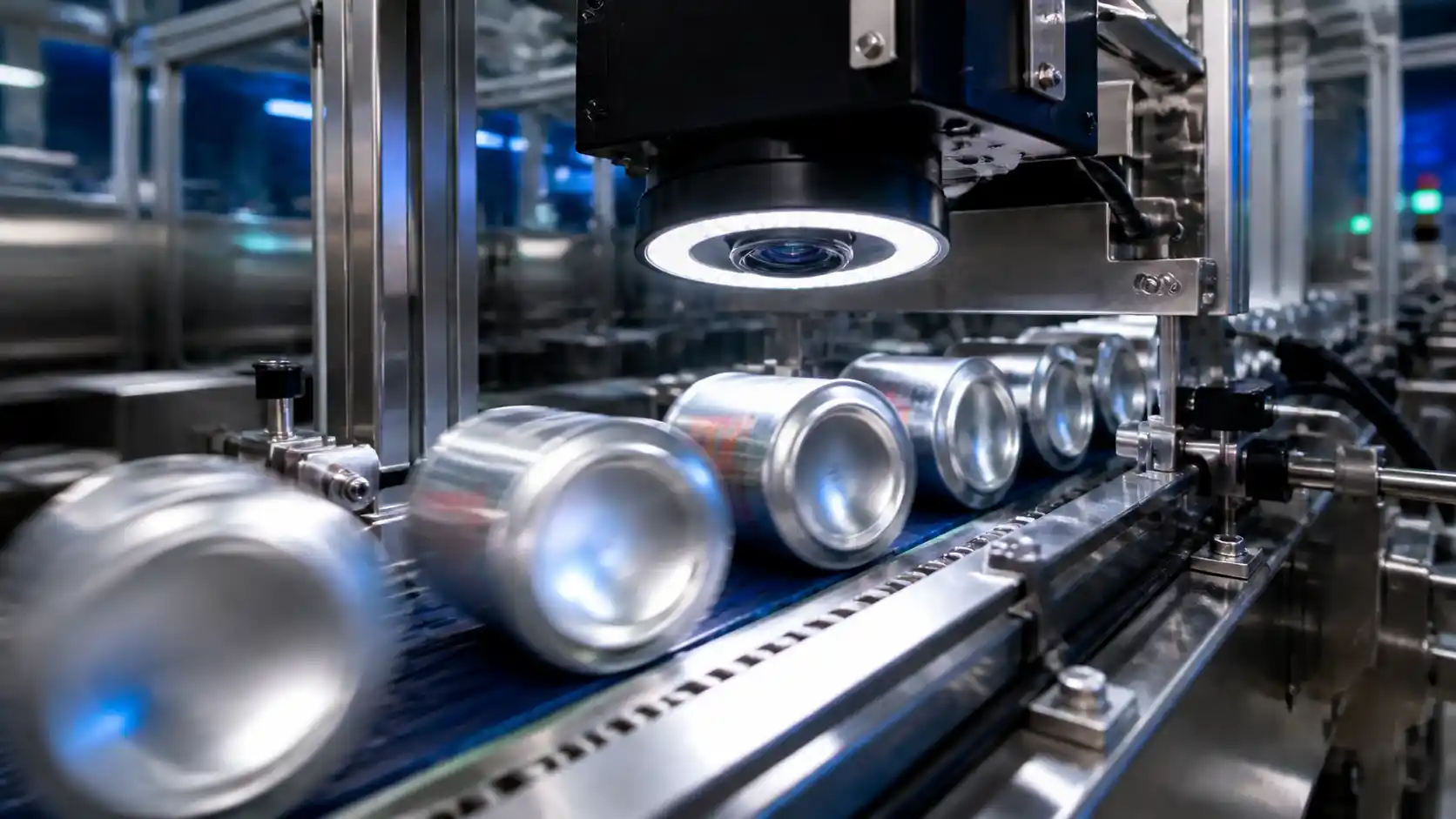
Can-bottom codes typically carry critical information like production dates, factory codes, anti-counterfeiting details, and other fixed content. If a code is missing, blurred, duplicated, shifted, or simply incorrect, the issue might not be identified quickly enough through traditional periodic sampling. Our Code Inspection System rigorously checks every single can as it moves through the production line. This significantly reduces the risk of defective coded cans proceeding further downstream, safeguarding your brand reputation and ensuring compliance.
Designed specifically for demanding beverage can production lines, our system boasts an impressive maximum speed of 72,000 cans per hour, which translates to an astonishing 1,200 cans per minute. Its innovative multi-module, no-dead-angle design provides 360° comprehensive coding inspection, leaving no blind spots. Furthermore, its non-contact online detection method guarantees zero damage to the can body during the inspection process, preserving product integrity.
Technical Features That Support Production Control
Our Code Inspection System directly tackles three core operational priorities prevalent on beverage can lines:
First, it dramatically reduces personnel requirements and overall production costs. By replacing tedious, repetitive manual code checks with automated inline inspection, your workforce can be reallocated to more value-added tasks. Operators can still manage the system effortlessly through its flexible human-machine interface, which features multi-level access settings for secure and customized operation. The routine judgment of code defects is handled autonomously, boosting efficiency.
Second, the system fundamentally improves production efficiency and consistently elevates product quality. It intelligently recognizes essential characters such as year, month, and day, along with fixed information like factory codes (including TN, HB, GM, HG, and "Qualified" marks), and anti-counterfeiting codes. The system also supports automatic date system adjustment and offers convenient, fast coding character training, simplifying routine code changes and minimizing downtime associated with new product introductions or seasonal updates.
Third, our inkjet printer inspection machine's test results are meticulously designed to meet—and often exceed—the manufacturer’s relevant technical standards. Our advanced system incorporates Maotong's latest inspection software, which is optimized to filter out interference from can-bottom logos and minor surface scratches. This intelligent filtering significantly reduces false rejections that might otherwise be triggered by non-code surface features, ensuring only genuinely defective products are removed from the line.
How The Code Inspection System Tracks Each Can
The inspection process seamlessly integrates image capture, encoder tracking, precise image analysis, and robust rejection control into one continuous workflow, ensuring every can is meticulously monitored:
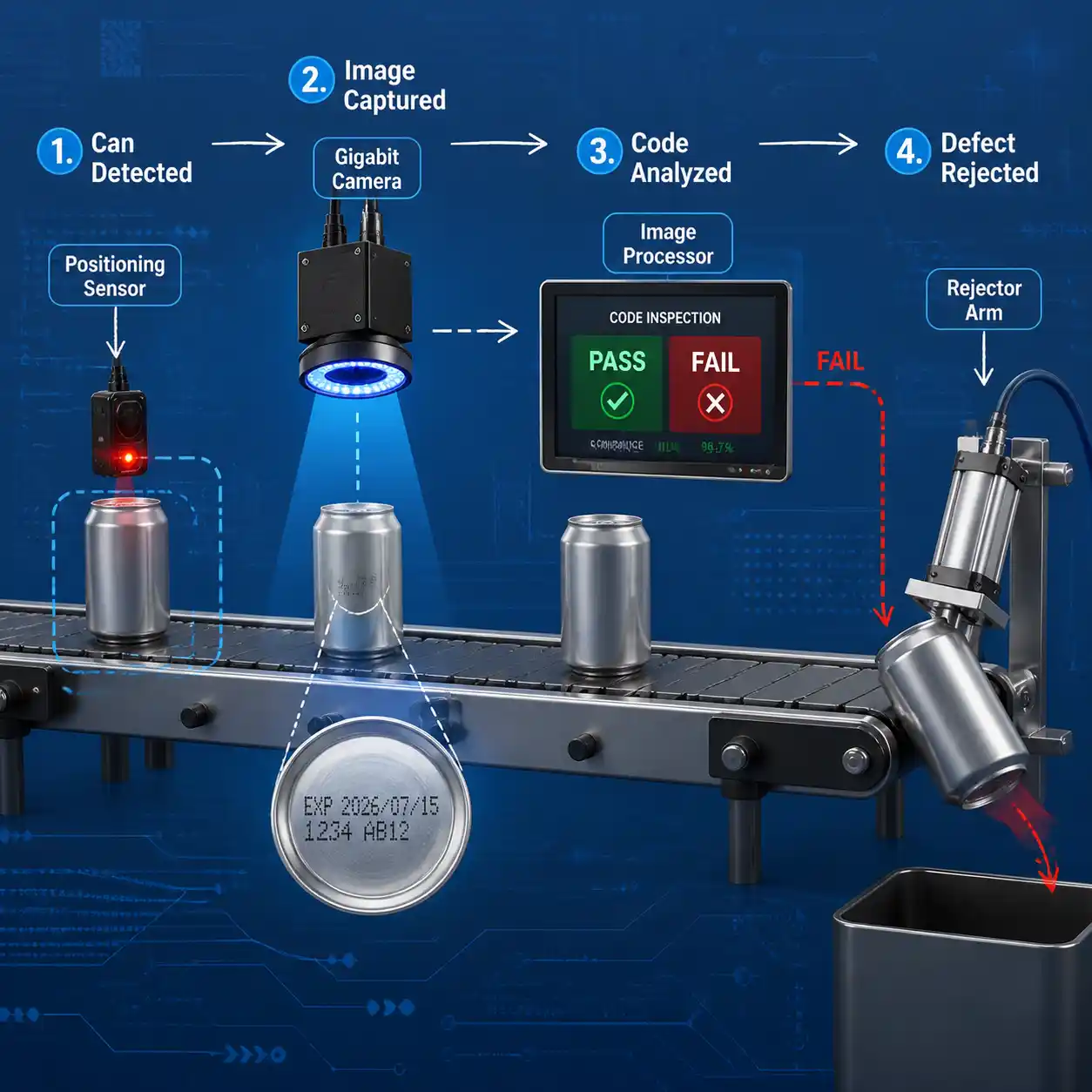
A crucial element here is the encoder-based counting system. The encoder is strategically installed on the conveyor chain’s synchronous motor. This innovative design means that once a defective can's number is recorded, its rejection accuracy remains perfectly synchronized, completely unaffected by any line stoppages or fluctuations in conveyor speed. The Code Inspection System also features a robust IP65 protection rating, ensuring reliable operation in harsh industrial environments. It's equipped with industrial-grade air conditioning to prevent system crashes and false alarms during prolonged operation, even in high-temperature settings. For comprehensive quality analysis, it offers daily storage of defective product photos with customizable retention times. Continuous rejection and shutdown functions enhance production quality and safety, while 24-hour remote control capabilities allow for continuous oversight and support. Finally, its zero-delay inkjet detection actively prevents false rejections often caused by issues like can rubbing, sticking, blocking, or imprecise manual placement on the line.
Detection Items and Stated Rejection Rates
Our Code Inspection System is specifically designed to identify the critical inkjet code defects that significantly impact can production quality and traceability. Here’s a breakdown of its detection capabilities:
| Inspection Item | Testing Condition | Stated Rejection Rate |
|---|---|---|
| No Inkjet Printing | Printed on cover, missing inkjet printing, or inverted can | >99.99% |
| Missing Inkjet Printing | Single character missing by more than 20% | >99.8% |
| Fuzzy Inkjet Printing | Characters are illegible or indistinguishable to the human eye | >99.93% |
| Incorrect Inkjet Printing | Wrong production date, factory code, security code, or similar content | >99.99% |
| Position Offset | Code printed beyond the set range | >99.99% |
| Duplicate Inkjet Printing | Multiple codes present in the designated code area | >99.99% |
For overall inkjet printing inspection, we maintain a remarkably low false kick rate of ≤0.03%. It's important to understand that these rejection rates represent theoretical experimental data. For example, concerning the “No Coding” test item, our data suggests that among every 10,000 defective cans without coding, there might theoretically be one can that is not rejected. The same interpretation applies consistently to all other test items. Crucially, every single listed test item is inspected in real-time for each can, ensuring continuous quality assurance throughout the production run, not just during periodic shift changes.
Practical Value for Beverage Can Lines
For production managers, effective code inspection goes beyond merely reading characters. It's about accurately matching a detected defect to the correct physical can, rejecting it precisely, and retaining defect images for subsequent review and root cause analysis. Our Code Inspection System directly supports these critical needs through its encoder-synchronized rejection mechanism, automatic image storage categorized by date, customizable storage duration, real-time HMI display, and comprehensive remote control capabilities. This integrated approach ensures complete visibility and control over your production quality.
This makes our Code Inspection System an ideal solution for beverage can manufacturers who demand high-speed can-bottom inkjet inspection without disrupting their normal production flow. For detailed product specifications, a personalized project consultation, or to learn more about how our technology can benefit your operations, we invite you to visit our official product page or contact Jinan Maotong Inspection Equipment Co., Ltd. directly. Our team is ready to assist you at +8618612569280 or via email at qibin@maotongtech.com.
FAQs
Does the Code Inspection System inspect every can?
Yes, absolutely. All listed inspection items are checked in real-time for each individual can on the production line, ensuring comprehensive coverage.
What is the maximum stated inspection speed?
The system is engineered for high-volume production, with a maximum stated inspection speed of 72,000 cans per hour, which is equivalent to 1,200 cans per minute.
What specific defects can the system detect?
Our system is designed to detect a wide range of common coding defects, including the complete absence of inkjet printing, missing inkjet elements, fuzzy or illegible printing, incorrect production data, positional offsets, and instances of duplicate inkjet printing.
What does the No Coding rejection rate signify?
The >99.99% rejection rate for "No Coding" is based on theoretical experimental data. It indicates that, hypothetically, for every 10,000 defective uncoded cans tested, perhaps one might not be rejected by the system.
How does the system maintain accurate rejection even if line speed fluctuates?
The system employs an advanced encoder that is installed directly on the conveyor chain’s synchronous motor. This sophisticated mechanism ensures that once a defective can is identified and its number recorded, its rejection remains perfectly synchronized with its physical position on the line, regardless of any changes in conveyor speed or brief stoppages.