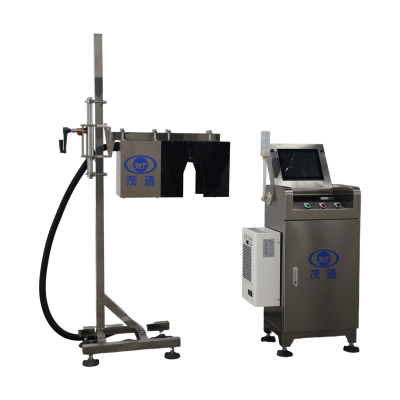
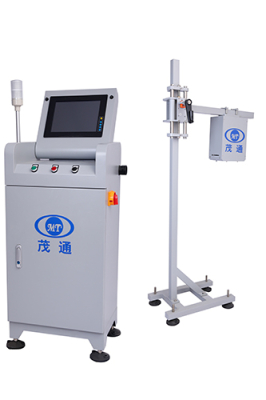
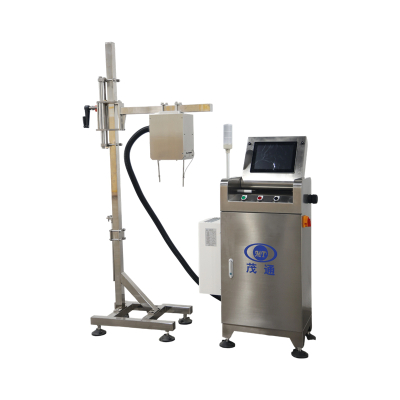
Code Inspection System Keeps Rejects Accurate Through Line Stops
For high-speed can lines, finding a bad bottom code is only half of the job. The inspection result must stay linked to the same physical can until it reaches the rejection point. The Code Inspection System from Jinan Maotong Inspection Equipment Co., Ltd. serves for inline, non-contact inspection of inkjet printing on can bottoms, with inspection capability up to 72,000 cans per hour. Beyond image recognition, its capabilities extend to encoder-based reject tracking, industrial-grade air conditioning, customizable functions, automatic defect photo storage, and 360° coding inspection without blind spots.

Why Encoder Tracking Matters on Moving Can Lines
On a fast conveyor, a defective code detected at the camera station may not be rejected immediately. The can continues downstream, and the system must identify the correct unit later. Here, the Code Inspection System employs an encoder installed on the synchronous motor of the conveyor chain. Once the defective can number is recorded, rejection accuracy is not affected by line stops or changes in conveyor speed.
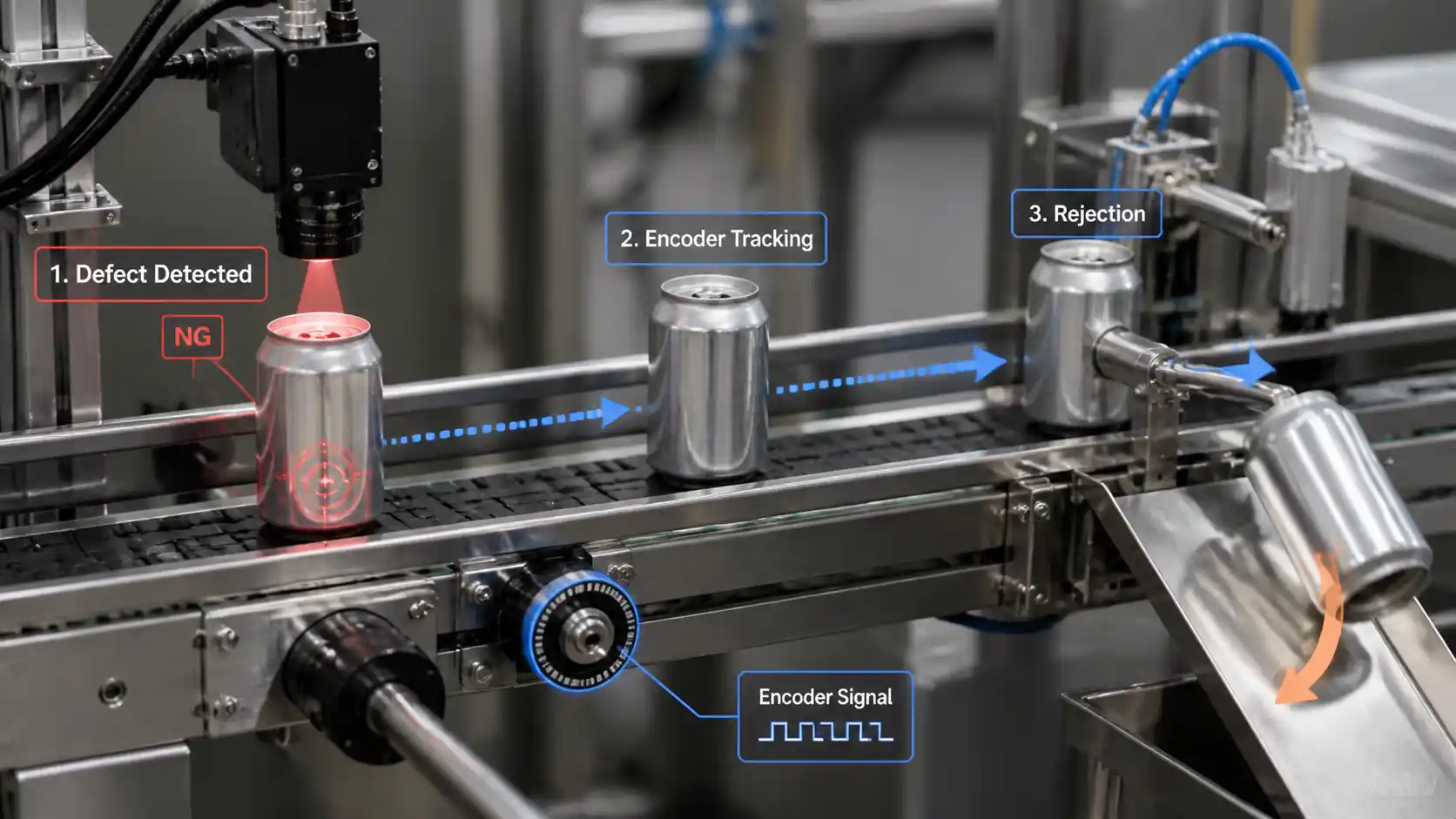
The operational sequence is straightforward: a positioning sensor detects the arriving can, the control unit records the can identification number and encoder signal, and a Gigabit Ethernet digital camera captures the bottom code image. The image is transmitted through the network to the image processor for analysis. If the code is judged unqualified, the result is sent to the HMI and control unit, and the rejector removes the corresponding can from the line.
Stable Inspection at 72,000 Cans per Hour
The Can Code Inspection Machine supports non-contact online inspection, which helps prevent damage to the can body during detection. With a maximum inspection speed of 1,200 cans per minute, the Code Inspection System is ideal for beverage can production lines where manual checks simply can't keep up.
High-speed operation also creates environmental pressure on inspection equipment. The system is equipped with industrial-grade air conditioning to prevent system crashes and abnormal system alarms caused by long summer operation. For plants running extended shifts in warmer conditions, this cooling design supports stable operation of the Code Inspection System rather than viewing temperature control as a secondary concern.
Defects the System Is Designed to Detect
The Code Inspection System addresses the primary code issues typically encountered in can-bottom inkjet inspection. It verifies print presence, including instances of cover printing, missing codes, or inverted cans. It can identify blurred codes when characters are unreadable to the human eye, detect incorrect date codes, factory codes, and anti-counterfeiting codes, and recognize missing characters when a single character is more than 20% incomplete.
The system also supports code-information recognition, position deviation detection when printing moves outside the set range, and duplicate code detection when multiple codes appear in the coding area. For can bottom code inspection, Maotong inspection software filters interference from can-bottom logos and surface scratches, thereby reducing false rejections triggered by normal visual features on the can's base.
Accuracy Data and False Reject Control
Our manufacturing test data indicates a false kick rate of ≤0.03% for inkjet printing inspection. Reported rejection rates are >99.99% for no-code, incorrect-code, position-offset, and duplicate-code tests. Missing-character inspection is reported at >99.8% when a single character is more than 20% incomplete, while fuzzy-code inspection is reported at >99.93% when characters cannot be recognized by the human eye.
These rejection-rate figures represent theoretical experimental probabilities, and inspection is performed in real time for each can. When discussing practical purchasing, buyers ought to align these detection capabilities with their specific code format, line speed, can-bottom graphics, and rejection criteria.
Customization and Defect Traceability
Production lines often differ in code format, factory code rules, date settings, and anti-counterfeiting information. The Code Inspection System provides fast coding character training and supports recognition of year, month, and day characters, fixed information such as factory codes TN, HB, GM, HG, “Qualified” marks, and anti-counterfeiting codes. Functions can be customized according to actual production conditions.
Traceability benefits significantly from automatic defect image storage. Photos of rejected cans are saved with daily organization, and storage time can be customized. This offers production teams a visual record for review, rather than solely depending on rejection counts. The HMI supports multi-level user access, while 24-hour remote monitoring and control are also supported.
For production-line configuration discussions, buyers can use the official Contact Us page from Jinan Maotong Inspection Equipment Co., Ltd.
FAQs
Does a line stop affect rejection accuracy?
No. The encoder is installed on the conveyor chain’s synchronous motor. Once the defective can number is recorded, rejection accuracy is not affected by line stops or speed changes.
What inspection speed does the Code Inspection System support?
The system supports high-speed inspection up to 72,000 cans per hour, equal to 1,200 cans per minute.
What defects can the system detect?
It detects missing codes, cover printing, inverted cans, blurred codes, incorrect codes, missing characters, code position deviation, character recognition issues, and duplicate printing.
How are logos and scratches handled?
Maotong inspection software filters interference from can-bottom logos and surface scratches to help reduce false rejection.
Are images of rejected cans stored?
Yes. Defect photos are automatically stored by date, and the storage period can be customized.