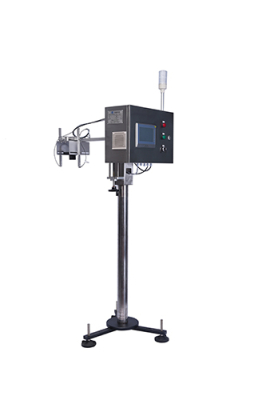
Can Pressure Inspection Machine Catches Pressure Defects Fast
For high-speed canning and bottled product lines, ensuring internal pressure is correct is paramount. It’s more than just a quality control metric; it's a critical indicator of container integrity and product stability, directly impacting safety, shelf life, and brand reputation. The Can Pressure Inspection Machine Can Pressure Inspection Machine stands as a fully automatic, inline pressure testing device, meticulously engineered for continuous inspection, rapid defect detection, and automated rejection on dynamic production lines.
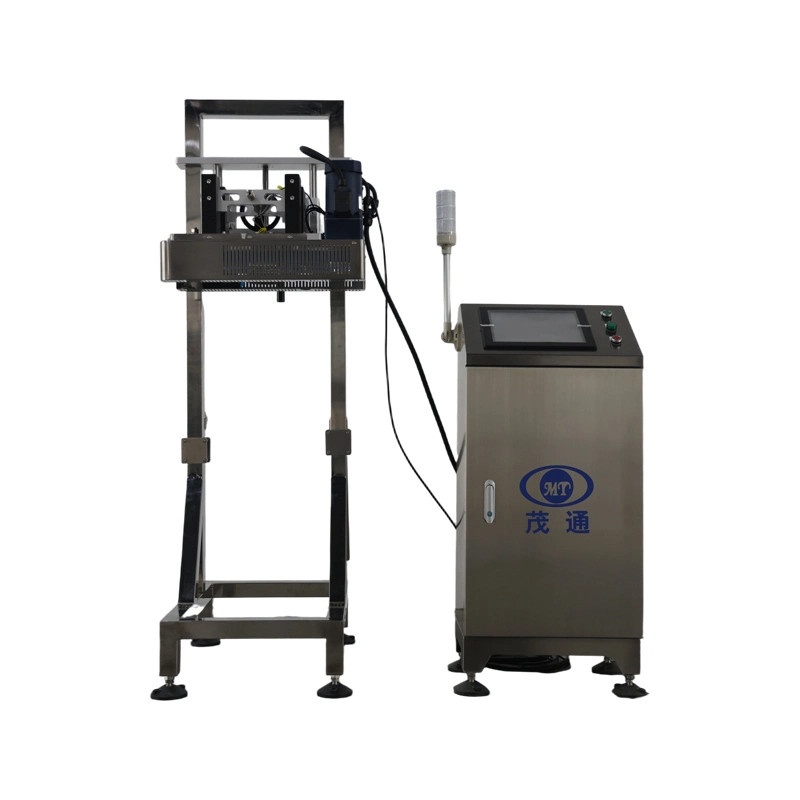
What the Can Pressure Inspection Machine Verifies
The Can Pressure Inspection Machine employs a robust contact-based online testing method. Its core innovation lies in its belt-squeeze detection technology: a flexible belt precisely transports cans or bottles, while strategically positioned side-mounted sensors capture minute pressure-related signals. These signals are then converted by a sophisticated controller into digital data, which is processed in real-time to accurately reflect the container's internal pressure and overall product quality. This comprehensive approach ensures that only products meeting stringent quality standards proceed downstream.
This Can Pressure Inspection Machine is specifically designed and optimized for a range of critical applications, including:
•Aluminum cans filled with liquid nitrogen
•PE/PP plastic bottles containing gas or steam
•Other gas-containing containers, with the exception of CO₂-based products
Within these diverse applications, the system integrates multiple inspection functions. It combines precise pressure detection with robust leak detection, no-lid detection, inverted can detection, and blocked can detection. Furthermore, it features an automatic rejection mechanism, swiftly removing any products that exceed user-defined rejection thresholds, thereby maintaining consistent quality and preventing costly recalls.
Understanding Belt-Squeeze Detection
When a container enters the belt inspection zone, a positioning sensor is triggered, initiating the detection sequence. The control unit meticulously records the product's unique identification number alongside the current encoder signal. Subsequently, a force sensor precisely measures the instantaneous pressure exerted by the product against the belt. This crucial pressure data is then transmitted to our proprietary Maotong signal-processing board for in-depth analysis. The processed results are promptly displayed on the human-machine interface and relayed back to the control unit for immediate action.
Should the Can Pressure Inspection Machine identify a product that fails to meet the specified pressure requirements, the control unit intelligently links this result to the corresponding product identification number. It then dispatches an immediate instruction to the rejector, ensuring that the faulty container is efficiently removed from the production line. This seamless integration of detection and rejection minimizes downtime and maximizes efficiency.
For thorough leakage inspection, a specialized guide mechanism at the system's front end applies a controlled pre-squeeze to the container, establishing a baseline pressure. As an intact container progresses through the inspection process, it exhibits only a minimal and predictable pressure change. However, a leaking or poorly sealed container will noticeably release pressure, resulting in a significant downstream pressure differential. This comparative analysis enables reliable identification of leaks and sealing defects, seamlessly integrating pressure testing into the main inline process without disruption.
Key Performance Parameters and Advantages
The Can Pressure Inspection Machine Can Pressure Inspection Machine is engineered for exceptional speed and precision, offering adaptive tracking of production line velocity. A notable safety feature is its automatic stop function: when the production line halts, the inspection system stops in tandem, effectively preventing cans or bottles from bursting due to prolonged idle squeezing. This not only protects product integrity but also enhances operational safety.
| Parameter | Specification |
|---|---|
| Detection Range | 0.08–0.5 MPa |
| Static Inspection Accuracy | ±0.01 MPa |
| Dynamic Inspection Accuracy | ±0.02 MPa |
| Inspection Speed | >1,200 cans/minute |
| Rejection Rate | ≥99.99% |
| False Rejection Rate | ≤0.01% |
The intuitive Human-Machine Interface (HMI) provides a real-time dynamic display of rejection data, offering operators immediate insights into line performance. The system also includes a visual alarm for any detected impacts and a continuous-rejection shutdown function, adding layers of operational safety and control. It is worth noting that for consistently stable results, the condition of the conveyor system is vital: excessive vertical vibration of the conveyor chain can potentially affect detection accuracy, highlighting the importance of a well-maintained production environment.
Installation and Operational Requirements
Achieving reliable internal pressure inspection necessitates careful consideration of both the machine's setup and the conveyor environment. The equipment must be installed horizontally, ensuring that the clamping conveyor belt maintains perfect parallelism with the bottom conveyor belt. For optimal and reliable testing, products should undergo inspection after they have cooled, and the equipment should be precisely positioned on a straight conveyor section measuring approximately 1.5–2 meters in length. This setup guarantees consistent product flow and accurate measurements.
Key installation requirements for the Can Pressure Inspection Machine include:
•Power Supply: Single-phase AC 220 V, 50 Hz, 250 W
•Compressed Air: 4–8 bar, adhering strictly to industry standards
•Overall Dimensions: 600 mm × 1000 mm × 1700 mm
•Frame Structure: Crafted from durable 304 stainless steel, designed for seamless mounting on a conveyor line
•Weight: Approximately 100 kg
Before powering up the Can Pressure Inspection Machine, a thorough check of all cables and the grounding connection is imperative. Proper grounding of both the frame and the control cabinet is crucial, as the sophisticated electronic components within the system are sensitive to static electricity. Adhering to these installation guidelines ensures optimal performance and longevity of the equipment.
Essential Safety Guidelines for Daily Use
Operating the Can Pressure Inspection Machine Can Pressure Inspection Machine safely is paramount for both personnel and equipment. Only personnel who have received comprehensive training should operate this equipment, and maintenance tasks must be carried out exclusively by professionally trained technicians. Crucially, the machine must never be operated with its protective covers open. Access to internal components or covers should only occur after both the power supply and compressed air have been completely switched off and locked out.
Operators must consistently maintain a safe distance, keeping hands clear of the reject-cylinder connecting rod assembly while the machine is running. It is equally important to avoid blocking or inadvertently touching the product-triggering photoelectric switch during operation. Furthermore, to prevent damage to sensitive components and ensure electrical safety, electrical connections should never be disconnected while the machine is energized. Adhering strictly to these safety precautions is fundamental for secure operation and for safeguarding the integrity of the valuable components during routine production.
For discerning buyers evaluating pressure inspection equipment, the Can Pressure Inspection Machine Can Pressure Inspection Machine offers a compelling solution. It excels in scenarios where precise internal pressure measurement, comprehensive leak screening, thorough container-condition checks, and efficient automatic rejection must all operate in perfect synchrony on a continuous production line. Further detailed product specifications and capabilities can be found on our Can Internal Pressure Detection Machine page.
FAQs
What containers can this Can Pressure Inspection Machine inspect?
It is specifically designed for aluminum cans filled with liquid nitrogen, PE/PP plastic bottles containing gas or steam, and other gas-containing containers, excluding CO₂-based products.
What defects can the system detect?
The system is capable of comprehensive inspection, supporting pressure detection, leak detection, no-lid detection, inverted can detection, blocked can detection, and automatic rejection based on user-defined criteria.
How fast can the machine inspect cans?
The documented inspection speed for this machine is exceptionally high, exceeding 1,200 cans per minute.
Where should the equipment be installed?
For optimal performance, it should be installed horizontally on a straight conveyor section of approximately 1.5–2 meters, with products ideally inspected after they have cooled.
What factors can affect pressure detection accuracy?
Excessive vertical vibration of the conveyor chain can potentially affect detection accuracy, highlighting the importance of conveyor stability during installation and operation.