Can Pressure Inspection Machine Controls High Speed Lines
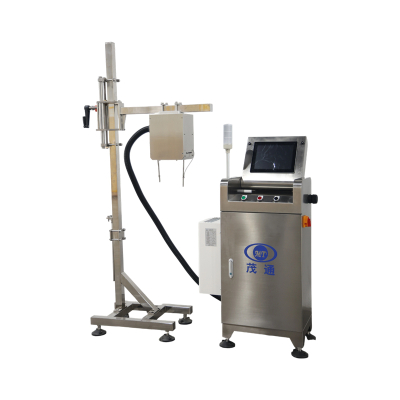
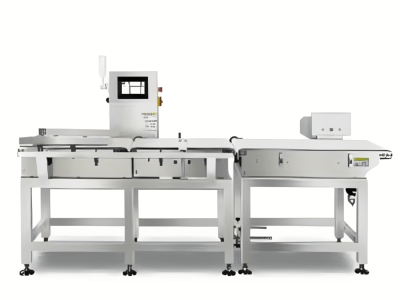
In the fast-paced world of beverage and container packaging, pressure inspection transcends a mere laboratory check; it's a critical, on-line process. This system consistently measures each container, tracks it through the production line, and ensures defective products are rejected precisely when needed. The Can Pressure Inspection Machine Can Pressure Inspection Machine is a fully automatic pressure testing device, specifically designed for online use, with a documented inspection speed exceeding 1,200 cans per minute.
Why Belt Squeeze Detection Matters
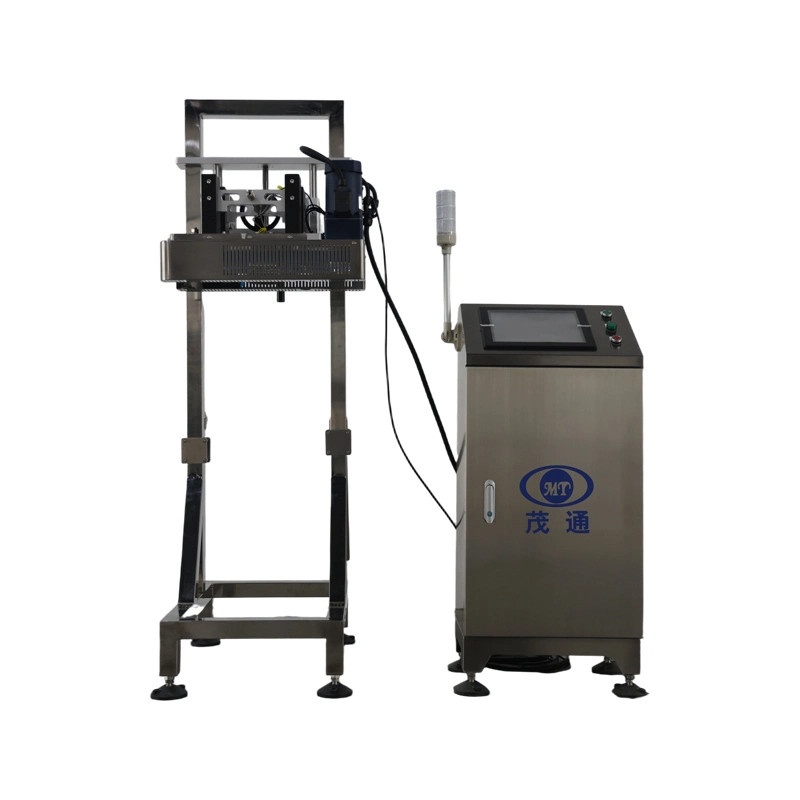
At its core, the Can Pressure Inspection Machine employs a contact-based online testing method, specifically designed around belt squeeze detection. Here, a flexible belt gently guides cans or bottles through the inspection zone. Simultaneously, strategically mounted sensors along the belt meticulously detect the internal pressure characteristics of each container. The controller then converts these measured signals into digital data, enabling the system to accurately evaluate internal pressure and overall product quality as containers move along the conveyor.
This approach is particularly valuable when pressure variations might signal issues like an under-pressurized or over-pressurized product, a leak, a compromised seal, a missing lid, an inverted can, or even a blocked container. Crucially, rather than relying on a single, isolated reading, this machine seamlessly integrates pressure measurement with precise product positioning and rejection control mechanisms.
How Each Container Is Measured and Rejected
As a product passes through the belt, a positioning sensor immediately detects its arrival. Via the control unit, the system then records a unique product identification number along with the current encoder signal. This positioning sensor subsequently triggers the force sensor, which in turn measures the instantaneous pressure the container exerts against the belt.
All pressure data is then transmitted to the Maotong signal processing board for advanced DSP-based processing and thorough analysis. The processed results are promptly sent to the human-machine interface for dynamic display and concurrently to the control unit for swift decision-making. Should a product fail to meet its configured pressure requirement, the control unit immediately instructs the rejector to remove that non-conforming container from the line.
Specifically for leak detection, the machine employs a front-end guide mechanism. This mechanism gently pre-squeezes containers, establishing and maintaining a consistent baseline pressure. Should leakage be present, the internal pressure will dissipate before the final tail-end measurement is taken. An intact container will exhibit only minimal pressure change, whereas a leaking or poorly sealed product will show a significantly larger pressure differential.
Performance Specifications Buyers Consider
| Item | Specification |
|---|---|
| Inspection speed | >1,200 cans/min |
| Detection range | 0.08–0.5 MPa |
| Static accuracy | ±0.01 MPa |
| Dynamic accuracy | ±0.02 MPa |
| Measurement accuracy | Better than 0.01 MPa |
| Rejection rate | ≥99.99% |
| False rejection rate | ≤0.01% |
| Applicable pressure types | High- and low-pressure products |
Furthermore, the Can Pressure Inspection Machine intelligently supports adaptive tracking of the production line speed. If the line halts, the equipment stops in sync, effectively preventing bottle or can rupture that could otherwise be caused by idle operation. Its intuitive HMI provides a real-time dynamic display of rejection data. The system also integrates a visual light alarm, continuous rejection shutdown capabilities, and Maotong's proprietary DSP digital signal processing technology.
Suitable Containers and Comprehensive Inspection Capabilities
This Can Pressure Inspection Machine is specifically engineered for aluminum cans filled with liquid nitrogen, PE/PP plastic bottles containing gas or steam, and various other gas-containing containers. It is important to note that CO₂ products are explicitly excluded from its stated application scope.
Its inspection functions cover:
•Pressure detection
•Leak detection
•No-lid detection
•Inverted can detection
•Blocked can detection
•Automatic rejection based on user-defined rejection criteria
For buyers evaluating this equipment against a Can Internal Pressure Detection Machine, a thorough consideration of container type, line layout, pressure range, specific rejection requirements, and installation conditions is crucial before commissioning.
Critical Installation Requirements for Optimal Accuracy
For optimal performance, the Can Pressure Inspection Machine must be installed horizontally, ensuring the clamping conveyor belt maintains perfect parallelism with the product's main conveyor belt. To ensure the most reliable detection, products should undergo inspection only after adequate cooling. Furthermore, the equipment requires installation on a straight conveyor section measuring 1.5–2 meters in length.
Installation requirements include:
The equipment dimensions are 600 mm × 1000 mm × 1700 mm, with a 304 stainless-steel frame and approximate weight of 100 kg.
Ensuring Safe Operation and Effective Maintenance
Only appropriately trained personnel are authorized to operate the Can Pressure Inspection Machine, and all maintenance tasks must be performed exclusively by professionally qualified technicians. Prior to commencing operation, it is imperative to verify that all safety warnings are visible and all protective devices are correctly in place. Operators must keep their hands clear of the reject cylinder connecting rod assembly and under no circumstances obstruct or touch the product-triggering photoelectric switch.
Never operate the machine with the cover open. The cover should only be removed after both electrical power and compressed air are switched off.
Crucially, electrical connections should never be disconnected while the machine is powered on, as this could lead to component damage. During any maintenance procedure, the equipment must be clearly marked with appropriate signage to prevent accidental activation and potential injury. Given the sensitivity of electronic components to static electricity, proper grounding of both the frame and the control cabinet is absolutely essential.
FAQs
How fast can the Can Pressure Inspection Machine run?
The Can Pressure Inspection Machine has a documented inspection speed exceeding 1,200 cans per minute.
What pressure range does it inspect?
The specified detection range is 0.08–0.5 MPa, with static accuracy of ±0.01 MPa and dynamic accuracy of ±0.02 MPa.
Can it detect leaking or poorly sealed containers?
Yes. The system pre-squeezes the container, measures pressure variation, and identifies larger pressure differences associated with leakage or a poor sealing effect.
Which containers are suitable?
It is specified for liquid-nitrogen-filled aluminum cans, PE/PP plastic bottles containing gas or steam, and other gas-containing containers, excluding CO₂ products.
What installation issue can affect accuracy?
Excessive vertical vibration of the conveyor chain can affect measurement accuracy. Horizontal installation, parallel belt alignment, cooled products, and a straight conveyor section are important for optimal performance.