Select Containers That Fit a PE Bottle Squeeze Leak Detection Machine
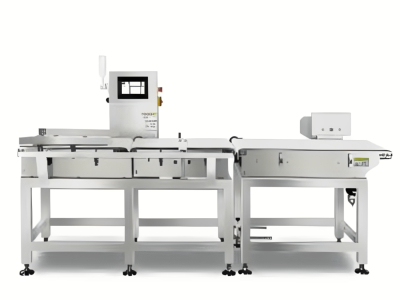
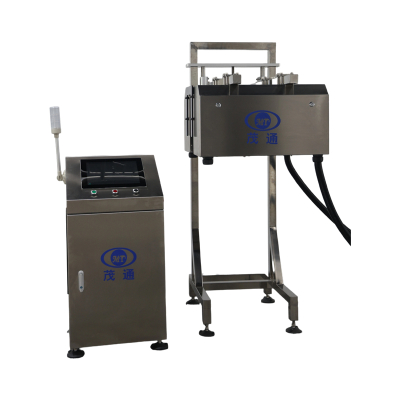
Inline leak inspection is only reliable when the container type matches the inspection principle. The PE Bottle Squeeze Leak Detection Machine (PE Bottle Squeeze Leak Detection Machine) is a contact-based online inspection system that uses belt squeeze detection, dual sensors, and Maotong’s DSP digital signal processing algorithm to reflect internal pressure characteristics inside a container.
It is positioned for automated production lines and is specified for three inspection object categories: aluminum cans filled with liquid nitrogen, PE/PP/PE plastic bottles containing gas or steam, and other gas-containing containers (excluding CO₂). The sections below help buyers align container choice, line conditions, and acceptance criteria when planning a PE Bottle Squeeze Leak Detection Machine installation.

Applicable inspection objects you can specify with confidence
A PE Bottle Squeeze Leak Detection Machine is designed to evaluate containers by mechanically squeezing them and comparing pressure-related signals. For procurement and line validation, these are the inspection objects explicitly listed for PE Bottle Squeeze Leak Detection Machine.
Aluminum cans filled with liquid nitrogen
For aluminum cans filled with liquid nitrogen, the PE Bottle Squeeze Leak Detection Machine uses belt squeeze detection to sense pressure characteristics through side-mounted sensors. The specified inspection functions include pressure detection, leak detection, and automatic rejection when products exceed a user-defined rejection threshold.
In practice, this makes the PE Bottle Squeeze Leak Detection Machine a relevant option when a line needs continuous, automatic sorting of non-compliant cans based on configured criteria.
PE/PP/PE plastic bottles containing gas or steam
For PE/PP/PE plastic bottles containing gas or steam, the PE Bottle Squeeze Leak Detection Machine applies controlled squeezing while sampling signals via dual sensors. The system is described as providing stable and reliable sampling data, converting sensor readings into digital signals and processing them to reflect internal pressure and container quality.
For these bottles, the product page notes that rapid temperature changes and uneven bottle wall thickness can influence inspection results and may contribute to false rejects. When planning PE Bottle Squeeze Leak Detection Machine, buyers commonly prioritize stable post-cooling conditions and consistent container geometry to keep the PE Bottle Squeeze Leak Detection Machine running predictably.
Other gas-containing containers excluding CO₂
PE Bottle Squeeze Leak Detection Machine is also specified for other gas-containing containers (excluding CO₂). If your application falls into this category, the key compliance point is straightforward: CO₂-containing containers are excluded from the applicable inspection objects for this model.
How belt squeeze detection works on the line
The PE Bottle Squeeze Leak Detection Machine is built around belt squeeze detection technology. During operation, a flexible belt transports cans or bottles, while sensors mounted on the side of the belt sense pressure characteristics. The controller converts captured readings into digital signals, and the DSP processing board analyzes the signal to support inspection decisions.
A common implementation described for squeeze-based inspection uses a pre-squeeze to establish a pressure condition, then compares measurements captured at two points (often referred to as S1 and S2 in squeeze layouts): for intact containers, pressure variation remains minimal; for leaking containers, the pressure difference becomes more significant, enabling rejection based on the configured threshold.

This signal-comparison approach is useful because it links container response under controlled mechanical loading to expected internal pressure behavior. In line applications, that means the inspection result depends not only on sensor quality and algorithm settings, but also on repeatable conveying, stable product presentation, and consistent container characteristics. When these variables are controlled, squeeze-based systems are better positioned to separate normal process variation from a true leak-related signature.
Key performance specifications buyers typically check
The system also lists operational features frequently requested for line integration: adaptive tracking of production line speed (with automatic stop when the line stops), human–machine interface operation, real-time dynamic display of multiple rejection data sets, an impact light alarm function, a Chinese language menu, 24-hour remote assistance, and continuous rejection shutdown.
For full official specifications and scope, see the product page for the PE Bottle Squeeze Leak Detection Machine.
Installation conditions that help results stay stable
Even with a capable PE Bottle Squeeze Leak Detection Machine, stable installation conditions are central to repeatability:
For related pressure inspection context, buyers sometimes cross-check the squeeze principle description on the Can Internal Pressure Detection Machine page.