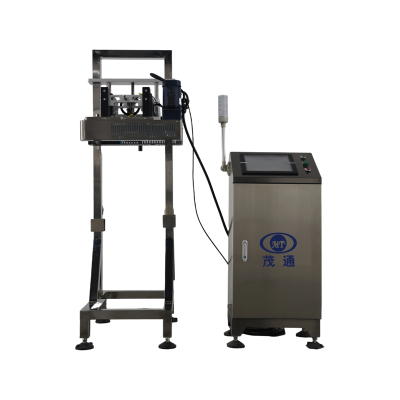
Why the PP Bottle Leak Detection Machine Keeps Induction Seals Consistent
Induction sealing is widely used to protect product integrity, but verifying the aluminum foil seal on every bottle—without slowing production—can be difficult. Manual checks typically require opening caps, which is labor-intensive, subjective, and poorly suited to continuous high-speed lines. In response, many packaging operations evaluate non-contact inspection options that can screen every unit and automatically remove defects.

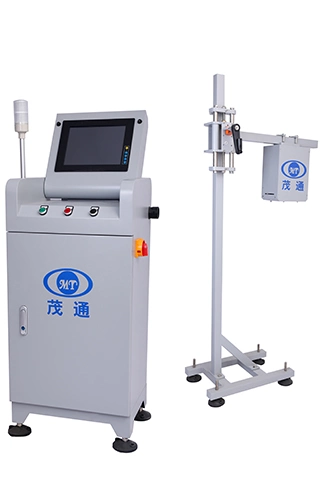
What the PP Bottle Leak Detection Machine is designed to inspect
The PP Bottle Leak Detection Machine is described as a fully automatic inspection system for checking the quality of aluminum film (aluminum foil) seals on PET/PE bottle caps. It is positioned for online, non-contact inspection and is specified for a maximum inspection speed of over 300 bottles per minute.
For buyers comparing inspection approaches, traditional visual inspection after opening the cap can be simple but time-consuming and subjective. Modern options commonly include camera-based machine vision solutions and infrared thermal imaging, both aimed at higher throughput and more consistent decision rules.
Detection accuracy targets buyers typically check first
When specifying the PP Bottle Leak Detection Machine, two performance figures are central:
In practical procurement terms, the detection rate indicates how reliably the PP Bottle Leak Detection Machine flags abnormal seals, while the false rejection rate reflects how often acceptable products may be rejected unnecessarily. For a line running at speed, keeping false rejects controlled matters because it affects yield, rework, and downstream handling.
The PP Bottle Leak Detection Machine is also listed with adaptive product tracking and high-speed, accurate rejection of defective products, which are typically evaluated alongside the two accuracy metrics during acceptance testing.
How infrared thermal imaging is used after induction sealing
The PP Bottle Leak Detection Machine works by evaluating the thermal characteristics that appear after electromagnetic induction sealing:
A key point in the stated inspection principle is that the captured heat distribution directly reflects the degree of compression between the gasket and the bottle cap, which indirectly reflects seal quality. The PP Bottle Leak Detection Machine then combines the thermal image with image processing methods to detect different defect conditions.
Interpreting defect causes through thermal distribution patterns
The PP Bottle Leak Detection Machine links defect causes to recognizable thermal distribution behaviors:
•Electromagnetic sealing machine problems (false seal, over-seal): conditions where the temperature is too high or too low.

For production teams, this mapping helps route troubleshooting to the most likely source—foil placement or condition, capping alignment or torque-related contact, or induction sealing settings—while the PP Bottle Leak Detection Machine continues screening in-line.
Installation and operating conditions that affect stability
Placement is part of achieving stable results. The PP Bottle Leak Detection Machine is specified to be installed after the electromagnetic sealer, preferably on a straight conveyor section of 1.5–2 meters.
Key operating and utility parameters listed for the PP Bottle Leak Detection Machine include:
Because rejection requires compressed air, buyers often verify air quality and pressure stability during commissioning. Where broader packaging QA is needed, some lines pair seal inspection with other vision inspection systems or downstream container checks to form a more complete defect gate.
What to confirm during sourcing and line integration
Before finalizing a purchase decision, it is common to confirm that the PP Bottle Leak Detection Machine matches:
Where operations also run leak-focused checks on other packages, procurement teams may cross-reference inspection and rejection performance targets used in broader Leak Detection workflows—while keeping acceptance criteria aligned to the specific seal-inspection method used here.