Stabilize Seal Inspection Before Conveyor Motion Hurts Imaging
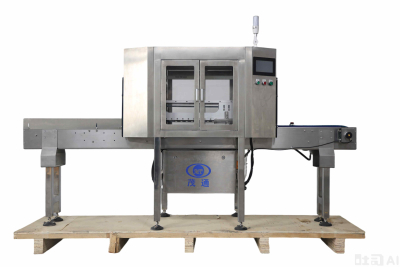
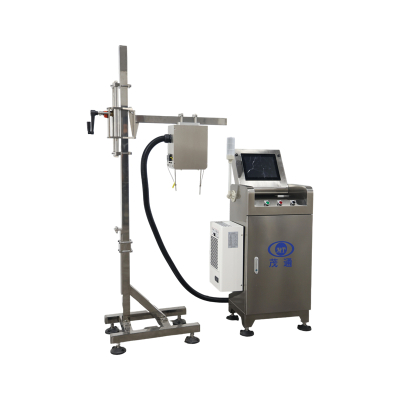
Automated quality control is essential in modern production lines, and our Visual Sealing Inspection Machine stands at the forefront of this technology. This sophisticated equipment relies on precise, stable image capture to verify sealing integrity. Its high-resolution camera and a specialized 360-degree sidewall lens work in tandem to photograph the sealing area of each container. The system accurately locates the bottle cap, establishes a circular detection region along the sidewall edge, and meticulously compares grayscale changes against a predefined threshold. Should the grayscale value exceed this threshold, the product is promptly identified and rejected as defective, ensuring only high-quality items proceed.
For this intricate process to consistently deliver reliable results, the conveyor section leading into and through the inspection zone must maintain specific, controlled conditions. Each container needs to be presented clearly, steadily, and with accurate spacing. These seemingly small details are, in fact, fundamental to the overall accuracy and efficiency of the Visual Sealing Inspection Machine.

Why Conveyor Setup Matters for Visual Seal Imaging
The Visual Sealing Inspection Machine operates on the principle of non-contact online inspection, meaning the quality of the inspection outcome is directly tied to how consistently and clearly each bottle or can is presented to the camera. A clean, unobstructed bottle-neck viewing area is vital, as it allows the high-resolution lens to capture the sealing sidewall without interference. Furthermore, stable, consistent movement of containers ensures the system can maintain a reliable circular detection area within the captured image.
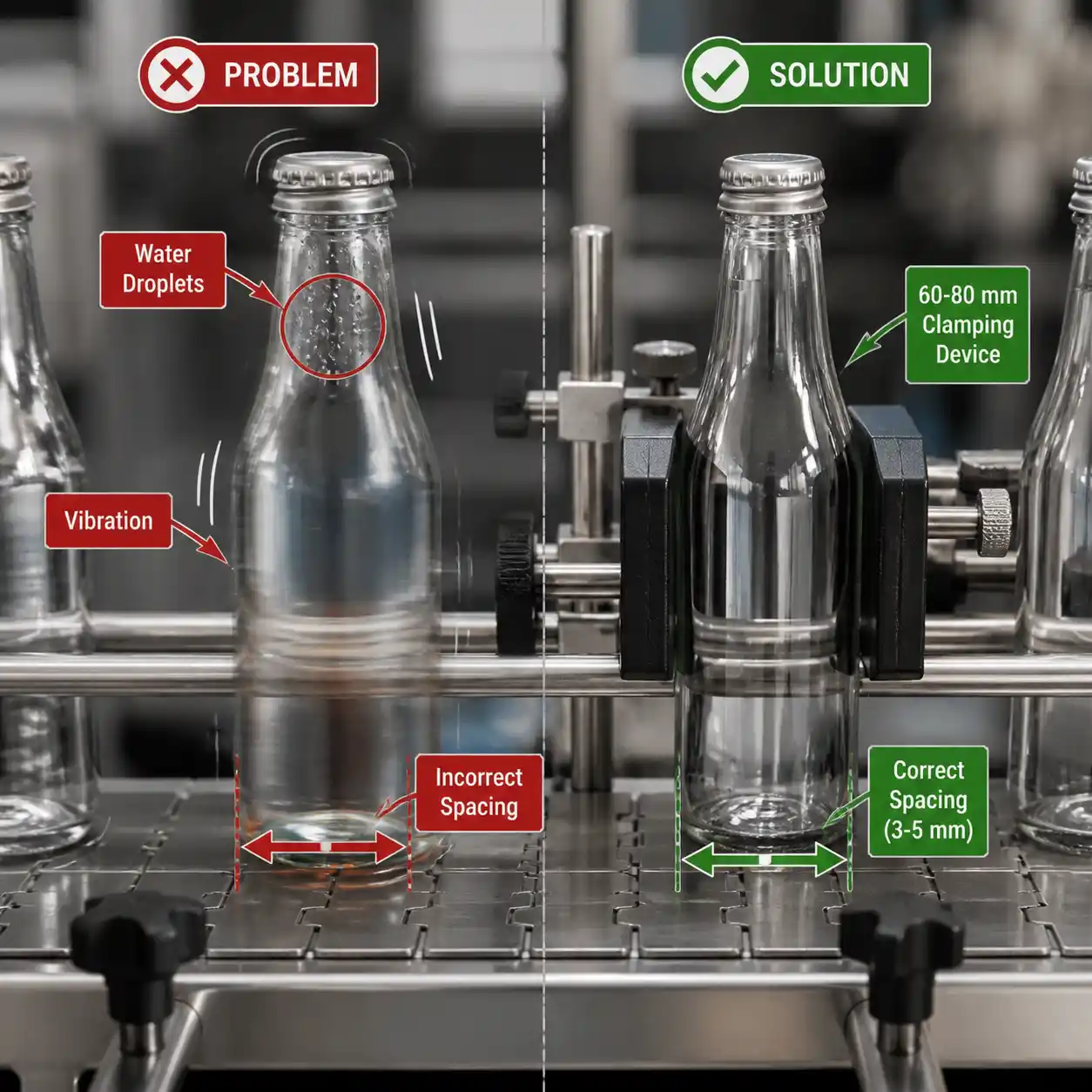
Because the machine identifies sealing imperfections through subtle grayscale variations, external factors like water droplets, excessive vibration, or unstable container presentation can severely compromise the camera inspection process. Such disturbances can introduce noise into the image, leading to false positives (good products rejected) or false negatives (defective products passed). The ultimate goal of meticulous conveyor preparation is straightforward: guarantee the bottle neck area is clear, the container remains perfectly steady, and the specified bottle spacing is maintained precisely as products pass through the inspection point of our Visual Sealing Inspection Machine.
Required Conveyor Conditions for Optimal Performance
The installation section for our Visual Sealing Inspection Machine is designed with specific conveyor requirements to ensure peak performance. It mandates a single-row chain conveyor with a precise length of 1.8 meters. Additionally, the inspection chain conveyor must not have a slope exceeding 20°, and containers should be spaced consistently 3–5 mm apart. These parameters are not merely suggestions; they are integral parts of the installation requirements for this advanced sealing inspection equipment, directly influencing its ability to accurately detect defects.
These precise values contribute to the stability and predictability of the production line within the inspection zone. Deviations from these conditions can lead to inconsistent imaging, reduced detection accuracy, and ultimately, compromise the overall effectiveness of the Visual Sealing Inspection Machine in maintaining product quality standards.
| Installation Item | Required Condition |
|---|---|
| Conveyor Structure | Single-row chain conveyor |
| Conveyor Length | 1.8 m |
| Conveyor Slope | Not exceeding 20° |
| Bottle Spacing | 3–5 mm |
| Bottle-Neck Area | Clear, stable, free of vibration and water droplets |
| Vibration Correction | Add a 60–80 mm clamping device if vibration occurs |
In practice, these requirements work together rather than independently. The chain length provides enough transition distance before imaging, the spacing reduces product interference, and the slope limit helps preserve a repeatable bottle attitude. When combined with good housekeeping around the inspection point, they create a more stable optical environment for grayscale-based seal evaluation and help reduce unnecessary reject events at production speed.
Keep the Bottle-Neck Area Clear
The bottle-neck area is directly in the camera's inspection path, making its clarity paramount. During line preparation and ongoing operation, this critical area must remain completely free of water droplets, dust, or any other obstructions. Even minor presence of water or debris around the neck can significantly affect the camera’s view of the sealing area, potentially influencing the grayscale evaluation process. This can lead to inaccurate readings and impact the reliability of the Visual Sealing Inspection Machine.
For operators and line integrators, this means the inspection point should be treated as a specialized optical inspection environment, not merely a simple conveyor transfer zone. Maintaining a dry and clear line of sight around the bottle necks is crucial for our Visual Sealing Inspection Machine to effectively utilize its high-resolution camera and 360-degree lens, ensuring the sidewall sealing region is captured precisely as intended for accurate defect detection.
Control Vibration Before Commissioning
Bottle-neck vibration is another critical installation challenge that can severely impair the performance of a Visual Sealing Inspection Machine. If any vibration is observed at the inspection installation location, a 60–80 mm clamping device must be added. This clamping measure is specifically designed to stabilize the container at the exact moment images are captured, preventing any unwanted movement.
This stabilization is particularly important because the inspection machine's principle involves first accurately locating the bottle cap and then establishing a precise circular detection area. If the bottle neck moves even slightly during image capture, the inspection view can become unstable, leading to blurred images or shifting detection areas. Such inconsistencies directly impact the precision of the grayscale thresholding and the overall accuracy of the Visual Sealing Inspection Machine. A properly positioned clamping device ensures a steadier presentation, thereby safeguarding the integrity of the inspection principle.
Deep Dive into the Inspection Principle
The core of our Visual Sealing Inspection Machine lies in its sophisticated inspection principle. It employs a high-resolution camera integrated with a unique 360-degree sidewall lens. This combination allows for comprehensive photography of the entire sidewall of the sealing area, ensuring no part of the seal is missed.
Practical Pre-Startup Checklist
To ensure optimal operation and maximum efficiency of your Visual Sealing Inspection Machine, reviewing the line with this straightforward checklist before running production through the inspection station is highly recommended:
When these conditions are meticulously met, our Visual Sealing Inspection Machine can reliably carry out its non-contact, 360-degree online sealing inspection and accurately reject defective products according to the configured grayscale threshold. With inspection speeds reaching up to 72,000 cans/hour, maintaining stable mechanical presentation and precise environmental conditions remains paramount for high-speed, accurate operation.