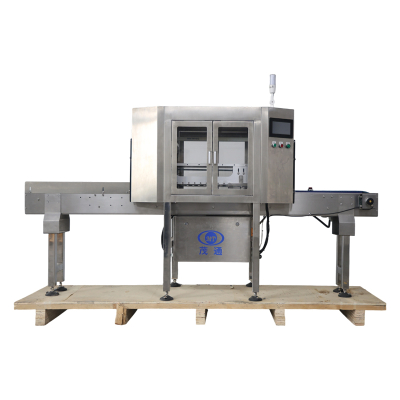
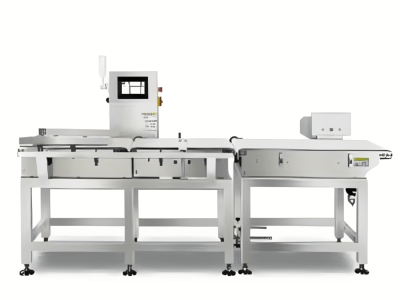
What is a PET Cap, Liquid Level, and Coding Visual Inspection System?
PET Cap, Liquid Level, and Coding Visual Inspection System
Glossary of Specific Terms:
| Chinese Terminology | English Translation |
| PET封盖检测 | PET Cap Inspection / Closure Inspection |
| 液位检测 | Liquid Level Inspection / Fill Level Detection |
| 喷码检测 | Coding Inspection / Date Code Verification |
| 视觉检测设备 | Vision Inspection Machine / System |
| 瓶盖歪斜 | Canted Cap / Tilted Cap |
| 防盗环缺失 | Missing Tamper-evident Band |
| 短装/缺量 | Underfill / Low Fill |
| 光学字符识别 | OCR (Optical Character Recognition) |
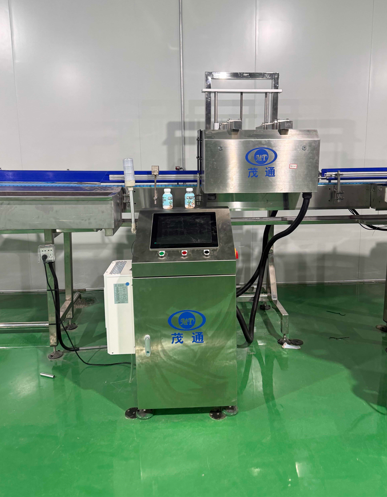
In simple terms, this system acts as an "All-in-One AI Quality Inspector" on the filling production lines for bottled water, beverages, soy sauce, and other liquid products.
It is an automated online inspection system based on machine vision technology. It specifically monitors fast-moving PET bottles on the conveyor line, instantly identifying whether the cap is secured, the liquid level is correct, and the production date is printed accurately. Once a defective product is identified, it immediately triggers a rejection mechanism to remove it from the line, ensuring no substandard goods reach the market.
Core Functions:
Cap Inspection: Checks for missing caps, high/low capping, tilted caps, and broken tamper-evident bands.
Liquid Level Inspection: Measures the fill height to ensure net content compliance and prevent underfilling or overfilling.
Coding Inspection: Verifies the presence, clarity, position, and content of date codes using OCR technology.
How It Works:
The system utilizes high-resolution CCD industrial cameras combined with specific lighting. Images are captured in real-time and processed by an industrial PC using algorithms such as grayscale threshold segmentation and blob analysis. Upon detecting a defect, the system sends a signal to the rejection unit (e.g., pneumatic pusher) to eject the faulty bottle.
Value Proposition:
This equipment is essential for modern manufacturing, offering high-speed detection (up to 48,000 bottles per hour), micron-level precision, reduced labor costs, and full data traceability for quality assurance.