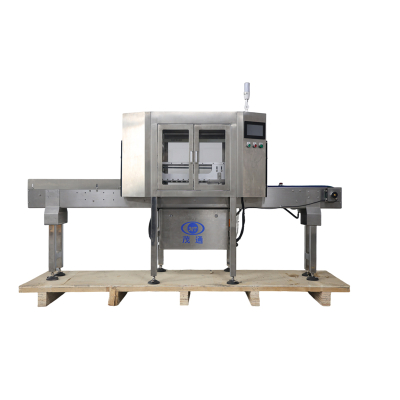
Can Level Detection vs Manual Sampling: Why Automation Wins
Manual sampling only checks 1%–5% of cans, leading to missed defects and inconsistent results. Automatic can level detection inspects 100% of production with stable accuracy.
Manual inspection is slow, labor‑intensive, and unreliable. Automatic systems run 24/7 without fatigue.
Manual records are incomplete, while automatic systems generate digital logs for traceability.
For export markets, full inspection is mandatory. Importers increasingly require automated quality control as a cooperation prerequisite.
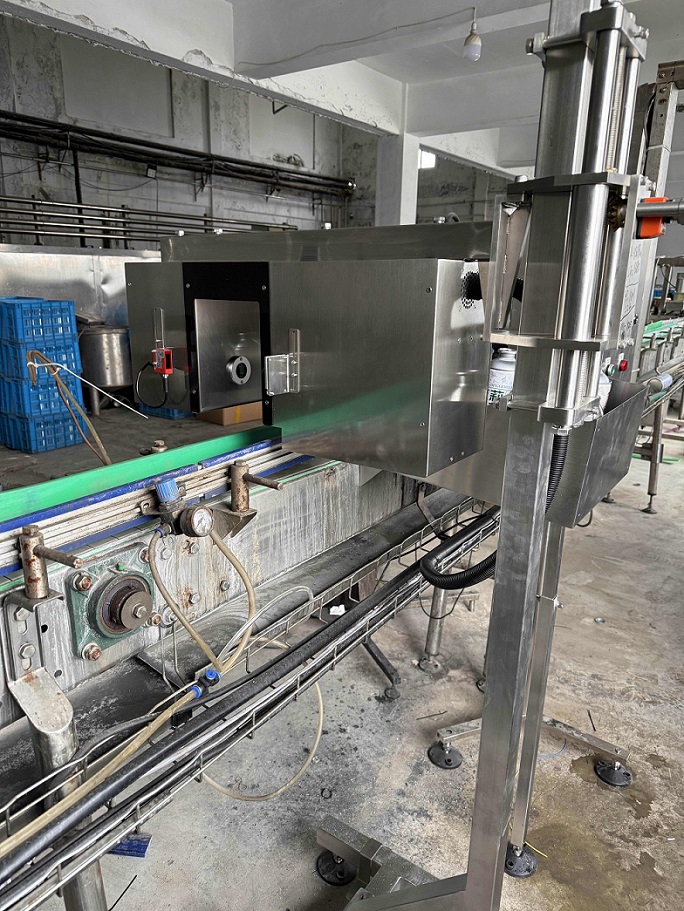
Common Problems in Can Level Detection and Solutions
Common faults include false rejection, missed detection, unstable signal, and sensor failure.
False rejection: caused by dust, moisture, or vibration → clean and calibrate sensors.
Missed detection: sensor misalignment → adjust position and sensitivity.
Unstable signal: electromagnetic interference → add shielding and grounding.
Sensor failure: aging or damage → replace original parts.
Chinese manufacturers provide remote support, spare parts, and maintenance guidance for global customers.
Custom Can Level Detection Solutions for Different Drinks
Different beverages need specialized detection solutions:
• Carbonated drinks: laser/photoelectric to avoid foam interference.
• Beer: ultrasonic for foam and opacity.
• Juice/dairy: food‑grade hygienic design.
• Energy drinks: vision system for level + cap + seal.
• Canned food: ensure net weight compliance.
Custom features include multi‑track inspection, filling machine integration, conveyor synchronization, and MES data upload.
Can Level Detection and Food Safety Compliance for Export
Food safety regulations (FDA, CE, HACCP) require strict net content control. Can level detection ensures compliance and reduces import risks.
Digital inspection logs provide traceability required by customs. Many countries now demand electronic quality reports for beverage imports.
Chinese machines use stainless steel, food‑grade materials, and waterproof design, meeting global hygiene standards.
Chinese Can Level Detection vs Global Brands: Comparison
Chinese can level detection machines match European/American quality with 30%–50% lower cost.
They use international sensors (Omron, Keyence, Sick), reach 120,000 cans/hour, and support CE/FDA/RoHS.
Chinese manufacturers offer faster customization, shorter delivery, and better after‑sales service for overseas clients.