Can Level Detection: The Complete Guide for Beverage Manufacturers
Can level detection is a critical quality control step in beverage production lines, especially for aluminum cans, tin cans, and canned drinks. Without accurate can level detection, manufacturers face risks such as under‑filling, over‑filling, product waste, customer complaints, and non‑compliance with food safety standards.
In modern beverage factories, automatic can level detection systems use high‑precision sensors, including photoelectric sensors, ultrasonic sensors, laser sensors, and vision‑based inspection systems. These sensors can quickly and accurately detect the liquid level inside each can at high production speeds, usually between 30,000 and 120,000 cans per hour.
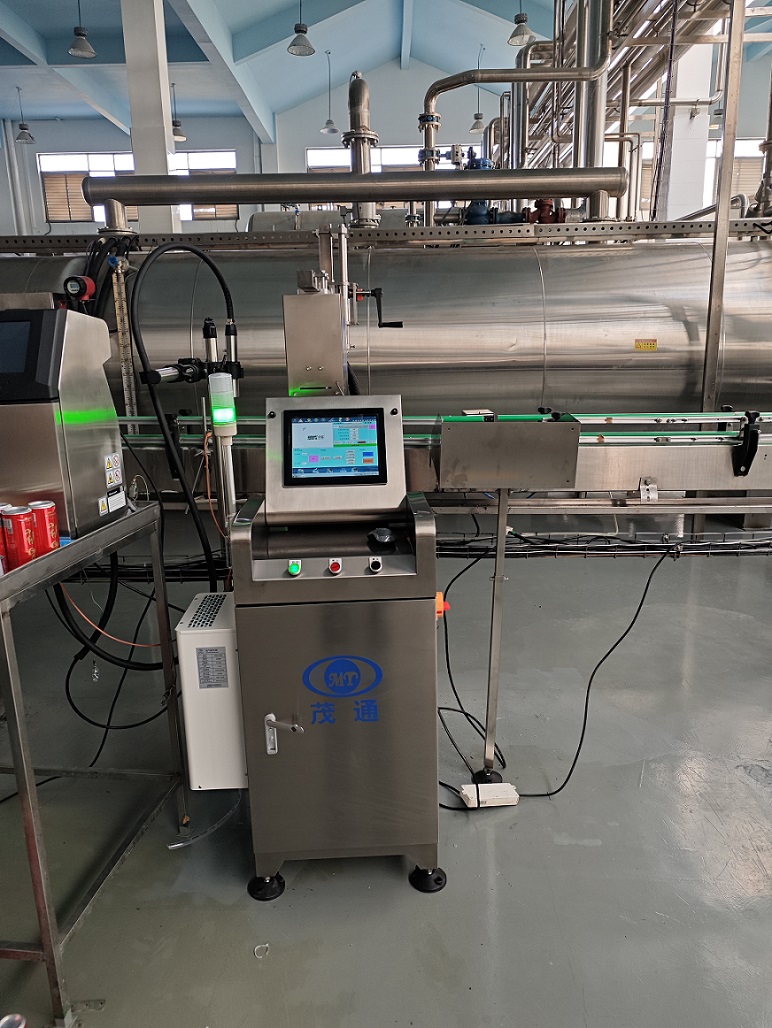
The main purpose of can level detection is to ensure that every can meets the standard filling volume. Under‑filled cans lead to customer dissatisfaction, while over‑filled cans cause overflow, leakage, and damage to packaging and production equipment. A reliable can level detection machine can automatically reject unqualified cans in real time, ensuring only qualified products enter the market.
For export markets, especially in Africa, Southeast Asia, the Middle East, and South America, beverage manufacturers require can level detection equipment that supports high‑speed production, stable performance, and easy maintenance. Chinese manufacturers provide cost‑effective can level detection systems with international certifications such as CE, FDA, and ISO, making them ideal for global beverage factories.
In summary, can level detection is an indispensable part of beverage canning lines. Choosing a professional can level detection machine improves production efficiency, reduces costs, ensures product quality, and meets international export standards.