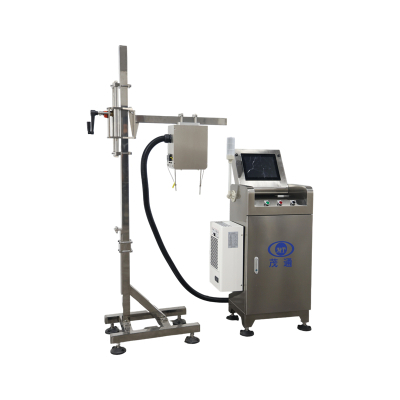
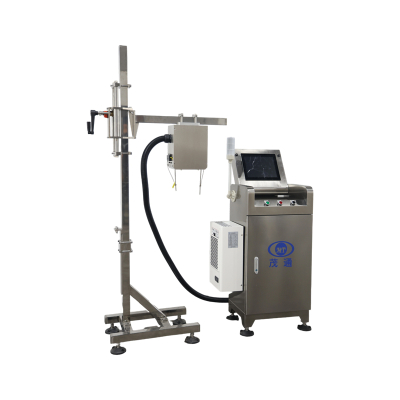
Image Acquisition Decides Bottle Inspection Accuracy
In high-speed PET and PE packaging lines, the performance of a Best Bottle Inspection Machine depends heavily on one practical factor: whether the image acquisition system can capture the bottle finish clearly, consistently, and at the right moment. The MT-PK021 Bottle Finish Inspection Machine is designed for online, non-contact inspection at a rated capacity of 48,000 bottles per hour, with image acquisition components configured to support stable bottle mouth defect detection and automatic rejection.

Why Image Acquisition Matters
A bottle finish may look simple, but it is a critical sealing area. Small through-holes, chips, point defects, or oval deformation can affect downstream filling and closure quality. For a Best Bottle Inspection Machine, the camera does not work alone. Reliable inspection begins with a complete imaging chain that includes the light source, lens, positioning trigger, camera, image processor, HMI, control unit, and rejection mechanism.
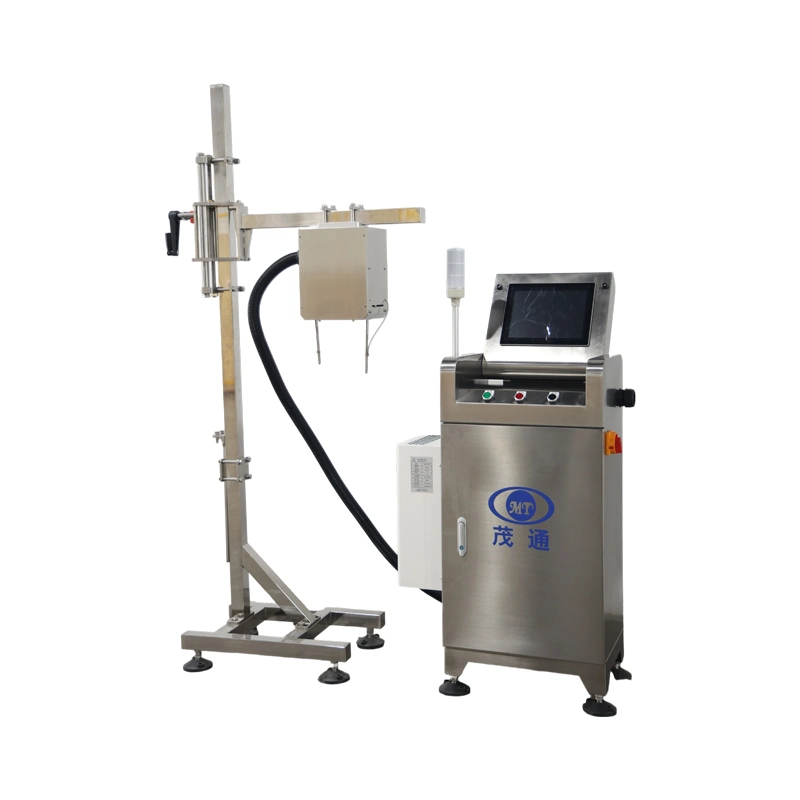
In the MT-PK021 system, bottles pass a positioning sensor that detects each container and allows the control unit to record the bottle ID and encoder value. The sensor then triggers image capture of the bottle mouth. After the image processor analyzes the result, inspection information is displayed on the HMI and sent to the control unit, which prepares the rejector to remove bottles with defective finishes. When this timing and tracking are aligned, a Best Bottle Inspection Machine can reliably connect each defect image to the correct bottle on the conveyor.
LED Front Lighting Creates a Clear Bright Ring
The light source is one of the defining components of a Best Bottle Inspection Machine. The MT-PK021 uses an LED area light source with a service life of up to 30,000 hours. Through front illumination, the system makes the inspected bottle mouth clearly visible and renders the finish as a continuous bright ring in the captured image.

This bright ring is important because it gives the image processor a stable edge and contrast pattern to evaluate. When the ring is clear and continuous, defects such as internal chips, external chips, localized point defects, and penetration defects are easier to distinguish from normal bottle finish geometry. A stable light field also helps reduce unnecessary variation during continuous production and supports consistent performance of the Best Bottle Inspection Machine over long shifts.
Lens Adjustment Balances Sharpness and Brightness
A manual-aperture fixed-focus lens is used with the imaging setup. The focus ring is adjusted to achieve maximum clarity on the CCD sensor surface, while the aperture ring is fine-tuned to obtain suitable image brightness. This balance matters because excessive brightness can weaken defect boundaries, while poor focus can make small chips or point defects harder to evaluate.
For PET and PE bottle inspection, the goal is not simply to make the image brighter. The objective is to keep the bottle finish sharply defined and consistently illuminated. This is why lens tuning is a practical setup step for any Best Bottle Inspection Machine operating on a high-speed line. Once the focus and aperture are set correctly, operators can run at full speed while still maintaining stable, repeatable image quality.
CCD Camera Configuration Supports High-Speed Capture
The MT-PK021 employs an area-array CCD analog camera with a resolution of 640 × 480 pixels and an image acquisition rate of up to 60 frames per second. This camera configuration is matched to the inspection workflow so that each triggered bottle mouth image can be captured and processed in real time.
At a rated production capacity of 48,000 bottles per hour, timing is essential. The system must capture the bottle finish image after the sensor detects the bottle and before the inspection decision is passed into the rejection sequence. In this context, a Best Bottle Inspection Machine is defined by synchronized imaging rather than by camera specifications alone. The way the camera, trigger, and conveyor speed work together ultimately determines whether every bottle finish is inspected without gaps.
Inspection Scope and Accuracy
The Bottle Mouth Defect Inspection Machine is designed to detect and remove PET/PE bottles with deformation or surface damage on the bottle finish. Its inspection scope includes the following items:
| Inspection item | Reference dimension | Detection accuracy | False rejection rate |
|---|---|---|---|
| Penetration | Vertical section width 0.8 mm, depth 0.25 mm | ≥99.99% | ≤0.03% |
| Internal defects | Vertical section width 0.8 mm, depth 0.25 mm | ≥99.95% | — |
| External defects | Vertical section width 0.8 mm, depth 0.25 mm | ≥99.95% | — |
| Point defects | Diameter 0.8 mm, depth 0.25 mm | ≥99.99% | — |
| Neck deformation | Diameter difference 2 mm | ≥99.95% | — |
These results show why imaging stability is central to the Best Bottle Inspection Machine. When the light source creates a clear bright ring, the lens keeps the finish sharp, and the CCD camera captures at the correct trigger point, the inspection system can make more dependable online decisions and keep false rejection rates low.
Practical Value on PET and PE Lines
The MT-PK021 can be installed within the blow molding machine, at the bottle discharge position, or along the conveyor chain. This gives production teams a practical way to inspect bottle finishes before defective bottles continue downstream. For buyers evaluating a Best Bottle Inspection Machine, the key questions should focus on image clarity, light stability, camera synchronization, and rejection tracking.
A strong bottle mouth inspection system does not rely on a single component. It depends on the coordinated performance of LED front lighting, fixed-focus optical adjustment, CCD image capture, real-time processing, HMI display, and accurate rejection. That combination is what makes image acquisition a decisive factor in bottle finish inspection and helps protect filling, capping, and downstream packaging quality on PET and PE lines.
FAQs
Q1: Why does the bottle mouth appear as a bright ring in inspection images?
Front illumination from the LED area light highlights the bottle finish, making the mouth appear as a continuous bright ring for clearer evaluation.
Q2: What camera is used in the Best Bottle Inspection Machine inspection system?
The system uses an area-array CCD analog camera with 640 × 480 pixel resolution and an acquisition rate of up to 60 fps.
Q3: What defects can the system inspect?
It inspects penetration, internal defects, external defects, point defects, and oval-shaped neck deformation.
Q4: What is the rated production capacity?
The Best Bottle Inspection Machine Bottle Finish Inspection Machine is designed for 48,000 bottles per hour PET/PE production lines.
Q5: Why is lens adjustment important?
The focus ring improves image clarity on the CCD sensor, while the aperture ring controls brightness for stable inspection images.