Run Your Can Pressure Inspection Machine Safely Every Shift
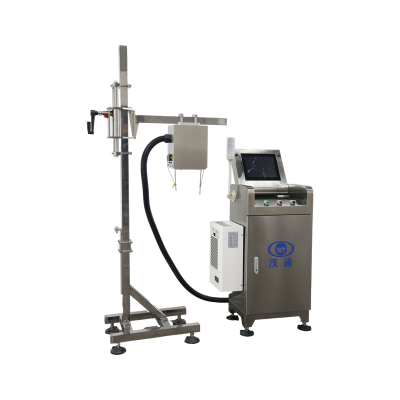
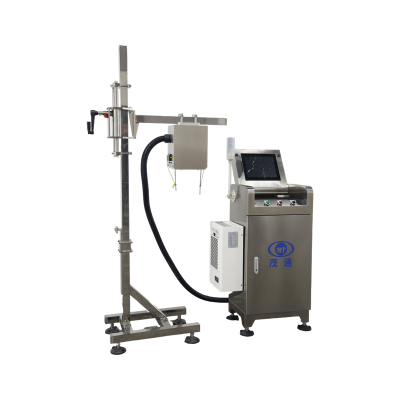
On a fast-paced beverage or packaged-container line, reliable pressure inspection hinges on correct machine installation, proper guarding, and operation by trained personnel. The Can Pressure Inspection Machine Can Pressure Inspection Machine from Maotong Inspection is specifically engineered for contact-based online inspection, utilizing our proprietary belt-squeeze detection technology. It’s built for high-speed operation, handling over 1,200 cans per minute, with an impressive detection range of 0.08–0.5 MPa. This system delivers exceptional accuracy, boasting a static precision of ±0.01 MPa and a dynamic precision of ±0.02 MPa, ensuring consistent product quality.
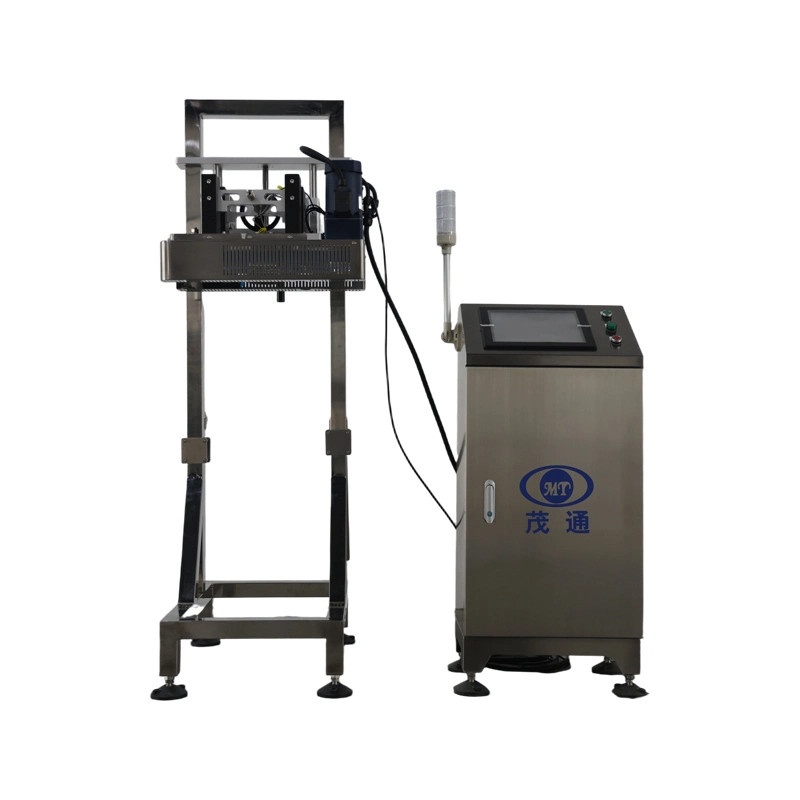
This robust Can Pressure Inspection Machine is perfect for a variety of containers, including aluminum cans filled with liquid nitrogen, PE/PP plastic bottles containing gas or steam, and other gas-filled containers (excluding CO₂-based products). Beyond precise pressure detection, our system offers comprehensive inspection capabilities, including leak detection, no-lid detection, inverted-can detection, blocked-can detection, and automatic rejection of non-conforming products based on user-defined quality thresholds. This multi-faceted approach ensures comprehensive quality control for your production line.
Setting Up for Success: Stable Installation Conditions
For optimal performance and accuracy, it’s crucial to establish stable installation conditions before daily production. As part of your routine line startup, the Can Pressure Inspection Machine needs a thorough check. The equipment must be installed perfectly horizontally, with the clamping conveyor belt precisely parallel to the product’s bottom conveyor belt. This meticulous alignment isn't just a recommendation; it's vital because even slight vertical conveyor vibration can significantly impact the pressure detection accuracy, potentially leading to false readings.
Operators should always confirm that all cables are securely connected, the grounding wire is properly fastened, and all necessary utilities are readily available. The machine operates on a standard single-phase AC 220V, 50Hz power supply, with a total consumption of 250W. Additionally, a clean and consistent compressed air supply, maintained at 4–8 bar and meeting industry quality requirements, is essential for the rejector mechanism. For the most reliable testing results, the equipment should be positioned on a straight conveyor section, ideally 1.5–2 meters in length, and products should be inspected only after they have cooled to a stable temperature. This attention to detail in setup guarantees consistent and precise inspection outcomes.
The Innovation Behind Accuracy: Belt Squeeze Inspection Process
The core of our system's precision lies in the belt squeeze detection technology, a method refined through extensive research and practical testing over several years. The Can Pressure Inspection Machine utilizes a specialized front guide mechanism to apply a controlled pre-squeeze to each container. This initial squeeze establishes a measurable internal pressure response. The principle is straightforward yet highly effective: a properly sealed product will exhibit only a minimal pressure change, whereas a leaking or poorly sealed product will show a much more significant and detectable difference.
As each product moves along the flexible conveyor belt, a positioning sensor precisely records its unique identification and the corresponding encoder signal via the control unit. This triggers a sophisticated force sensor, which then measures the instantaneous pressure exerted by the product against the belt. This raw data is swiftly transmitted to our proprietary Maotong digital signal processing (DSP) board for advanced analysis. The processed results are then dynamically displayed on the user-friendly Human-Machine Interface (HMI) and simultaneously sent to the control unit. Should the analysis determine that a product fails to meet the predefined quality or safety thresholds, the control unit immediately activates the rejector, ensuring that the specific defective product is promptly removed from the production line. This continuous, high-speed monitoring and rejection system guarantees optimal product integrity.
Ensuring Safety: Daily Checklist for Operators
Controlled Intervention: The Importance of Designated Maintenance
The Can Pressure Inspection Machine is designed with a clear distinction between routine operation and specialized maintenance for good reason. While production operators can efficiently run the equipment after general training, any servicing, repairs, or in-depth adjustments must be handled exclusively by our professionally trained and certified technicians. Before any maintenance work begins, strict protocols must be followed: electrical power and compressed air must be completely shut off, the protective cover must remain closed until full energy isolation is confirmed, and the equipment should be conspicuously marked with warning tags to prevent any unintended operation.
Furthermore, when connecting any external devices to the system, it is imperative that both the machine and the external equipment are powered off beforehand. Power should only be restored after all connections are securely and correctly made. This disciplined approach not only safeguards personnel from potential electrical, pneumatic, and mechanical hazards but also helps to preserve the stable and precise measurement conditions that are essential for high-speed pressure inspection. Adhering to these guidelines ensures the longevity and consistent performance of your inspection system.
Cultivating Excellence: Safer Shifts Through Repeatable Habits
A Can Pressure Inspection Machine performs at its peak when safety checks and operational best practices become ingrained, repeatable habits rather than sporadic tasks. Consistent attention to correct installation, ensuring stable utility supplies, operating with all guards in place, exercising caution around the reject mechanism, and diligently following energy isolation procedures all contribute significantly to a safer production environment. These practices also lead to more consistent and reliable pressure measurement results. For facilities running high-speed container lines, cultivating these disciplined habits is key to maintaining tight control over the entire inspection, rejection, and maintenance workflow, from the very first can to the last.
FAQs
What is the detection range of the Can Pressure Inspection Machine?
The specified detection range for our Can Pressure Inspection Machine Can Pressure Inspection Machine is 0.08–0.5 MPa, providing precise readings across a wide range of container pressures.
What accuracy does the Can Pressure Inspection Machine provide?
Our machine offers exceptional accuracy, with a listed static accuracy of ±0.01 MPa and a dynamic accuracy of ±0.02 MPa, ensuring highly reliable quality control for your products.
Can an operator perform maintenance?
No, an operator's general training permits only operation of the machine. All maintenance tasks must be performed exclusively by professionally trained and qualified technical personnel to ensure safety and proper machine function.
Can the cover be opened while the machine is powered?
Absolutely not. For safety reasons, both electrical power and compressed air supplies must be completely turned off and isolated before the machine's cover can be opened.
What products can this machine inspect?
This versatile machine is designed to inspect liquid-nitrogen-filled aluminum cans, PE/PP plastic bottles containing gas or steam, and various other gas-containing containers, excluding those with CO₂-based products.