Can Code Inspection Machine Reduces Waste on Fast Lines
On high-speed beverage can lines, a readable bottom code is more than a printing detail. It supports traceability, factory code verification, date control, and downstream quality management. Our Can Code Inspection Machine helps stabilize this process by checking every can online, identifying defective inkjet printing, and rejecting only the cans that fail inspection. For producers dealing with embossed bottoms, scratches, movement, or temporary jams, the most important gain is not only defect detection but fewer unnecessary false rejects.

Why False Reject Reduction Matters
False rejects create waste quietly. When an acceptable can is removed because a system misreads a harmless scratch, logo, or bottom-surface mark as a code defect, the line loses material and operator confidence. The Maotong Can Code Inspection Machine addresses this with optimized inspection software that filters interference from can-bottom logos, including Yangyuan-style logo interference, and surface scratches.
This matters because can bottoms often contain visual noise that does not affect code validity. A practical Can Code Inspection Machine must separate real inkjet failures from normal surface features. By doing so, it supports stable line operation while keeping false kick rates at a low level.
How the Inspection Workflow Works
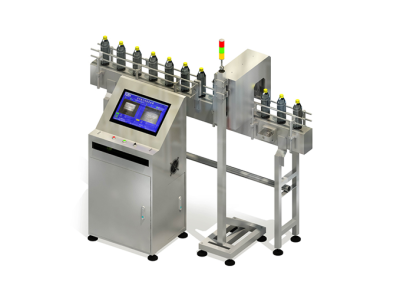
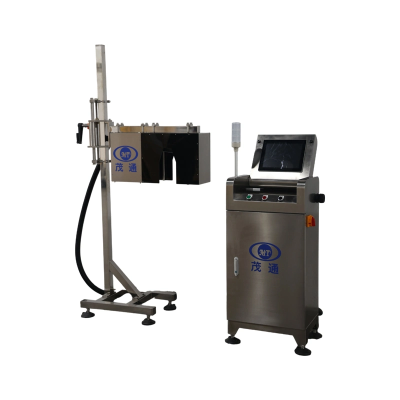
The Can Bottom Code Inspection Machine is installed close after the inkjet printer and uses non-contact online inspection. A Gigabit Ethernet digital camera captures images from above, and the image processor analyzes the code before the control unit triggers rejection.
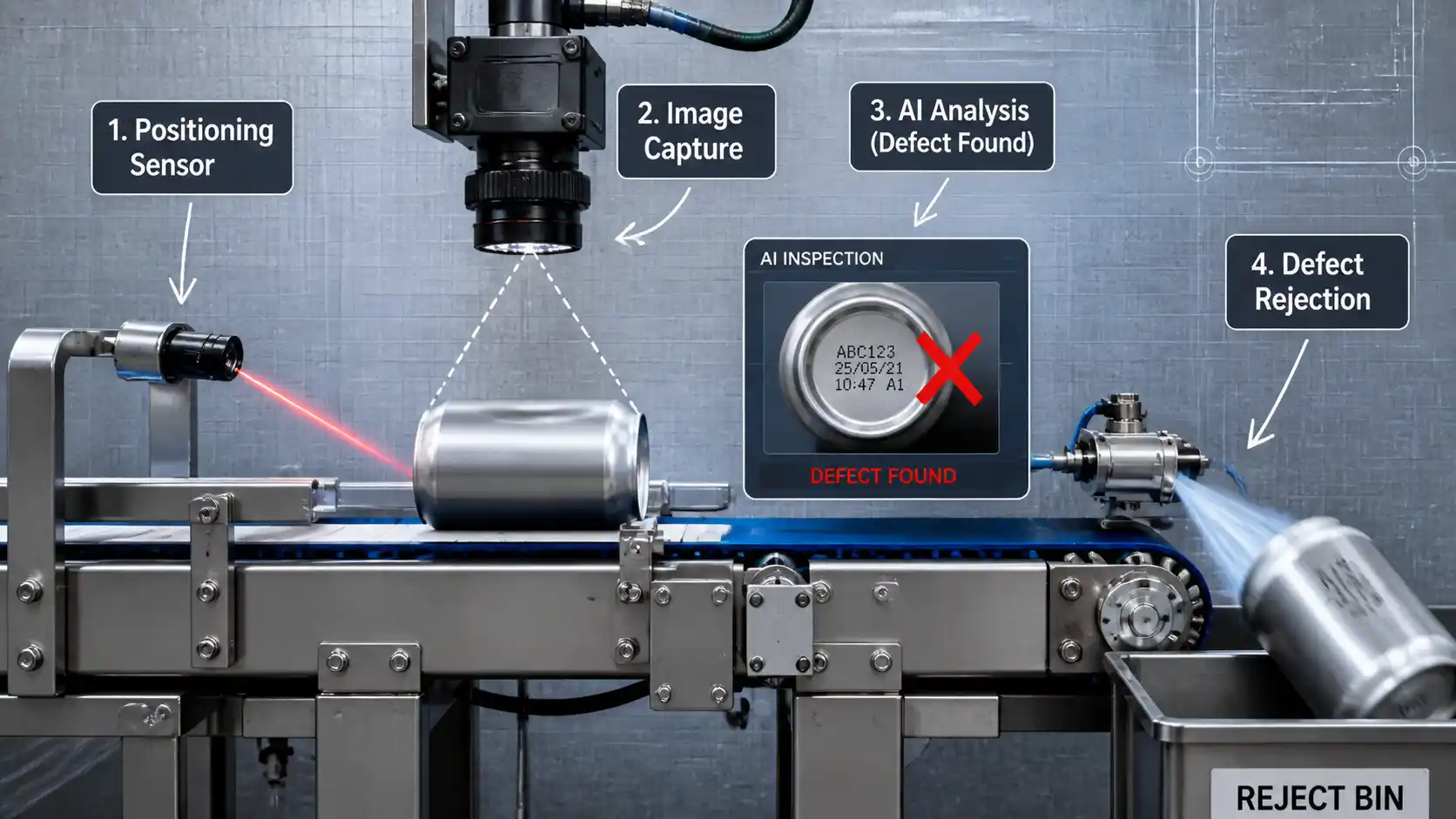
The operating sequence is straightforward:
1.A positioning sensor detects the arriving can.
2.The control unit records the can identification number and encoder signal.
3.The camera captures the current bottom-code image.
4.The processor analyzes code quality and correctness.
5.Results appear on the HMI and are sent to the control unit.
6.If the can is unqualified, the rejector removes it from the line.
Because the Can Code Inspection Machine uses encoder-based synchronous counting, rejection remains accurate during speed changes, line stops, or restarts. This reduces the risk of rejecting the wrong can after a brief jam or conveyor fluctuation.
Features That Support High-Speed Stability
Optimized Software for Real Can Bottoms
The latest Maotong inspection software is designed to reduce interference from can-bottom logos and scratches. This improves the system’s ability to detect actual issues such as missing codes, incorrect date codes, blurred characters, or position deviations without treating every surface mark as a defect.
Full 360° Coverage and Zero-Delay Detection
The Can Code Inspection Machine supports full 360° coding inspection with no blind spots. Zero-delay detection helps prevent false rejections caused by conveyor friction, can movement, jamming, blocking, or manual placement on the line. For fast canning operations, this combination improves consistency when production conditions are not perfectly smooth.
Continuous Reject and Line-Stop Control
Detection alone is not enough. The system supports continuous rejection and automatic line-stop functions, helping prevent defective products from moving downstream when quality conditions become abnormal. This makes the Can Code Inspection Machine suitable for lines where traceability and batch control are essential.
Remote Monitoring and Defect Traceability
The system supports 24/7 remote monitoring and control. It also automatically stores defect images by date, with adjustable retention periods. These stored images help teams review recurring problems, compare defects across production shifts, and support quality analysis without relying only on manual notes.
Performance and Inspection Scope
The Can Code Inspection Machine is designed for high-speed can production and supports up to 72,000 cans per hour. The model listed for this system is MT-YLG-OCR-03, with an IP65 safety protection rating.
| Item | Specification |
|---|---|
| Equipment name | Inkjet Printing Inspection System |
| Model | MT-YLG-OCR-03 |
| Maximum production speed | 72,000 cans/hour |
| Inspection scope | Inkjet print quality |
| Rejection method | High-precision online rejection |
| Protection rating | IP65 |
The Can Code Inspection Machine can detect no inkjet printing, missing inkjet printing, fuzzy printing, incorrect printing, position offset, and duplicate printing. It also supports recognition of date codes, factory codes, anti-counterfeiting codes, and fixed data.
| Inspection item | Testing condition | Rejection rate | False kick rate |
|---|---|---|---|
| No inkjet printing | Cover print, missing print, inverted can | >99.99% | ≤0.03% |
| Missing inkjet printing | Single character missing over 20% | >99.8% | |
| Fuzzy inkjet printing | Characters unreadable to the human eye | >99.93% | |
| Incorrect inkjet printing | Wrong date, factory code, security code, deformation | >99.99% | |
| Position offset | Beyond expansion zone | >99.99% | |
| Duplicate inkjet printing | Multiple codes in the code area | >99.99% |
Where It Fits in Production
In a typical beverage can line, manual sampling can miss intermittent coding issues. A Can Code Inspection Machine checks each can in real time, rejects defective cans automatically, and supports automatic date-code adjustment without manual intervention. For manufacturers seeking stable traceability, fewer labor-dependent checks, and better control over coding quality, this inline approach offers a more consistent inspection process.
FAQs
What defects can a Can Code Inspection Machine detect?
It can detect missing codes, blurred or unreadable printing, incorrect dates or factory codes, missing characters, position offsets, duplicate codes, cover printing, and inverted cans.
How does the system reduce false rejects?
It uses optimized software to filter interference from can-bottom logos and scratches, helping distinguish real code defects from harmless surface features.
What is the maximum inspection speed?
The system supports up to 72,000 cans per hour under the listed configuration.
Why is encoder-based rejection important?
Encoder-based synchronous counting tracks can position accurately, so the rejector can remove the correct can even when the line speed changes or stops.
Does the machine support traceability review?
Yes. It automatically stores defect images by date and supports adjustable retention periods for later quality analysis.
Before planning a new project or upgrading an existing line, you are welcome to contact us to discuss how a Can Code Inspection Machine can be integrated into your specific production setup.