Set Visual Sealing Inspection Conditions Before Startup
A Visual Sealing Inspection Machine is an invaluable asset for non-contact online sealing inspection, enabling production teams to thoroughly examine bottle cap sealing areas without ever touching or damaging products. For can and container lines, its true value is not solely derived from its camera and rejection system, but also from stable site conditions, precise conveyor presentation, appropriate utilities, and meticulous storage before commissioning. Understanding these practical requirements ensures optimal performance and longevity for your investment.

What Our Visual Sealing Inspection Machine Does
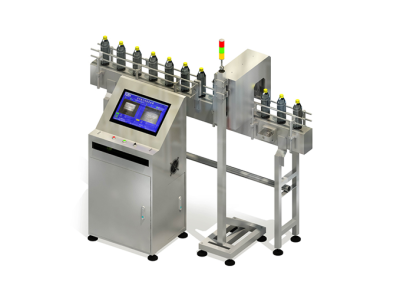
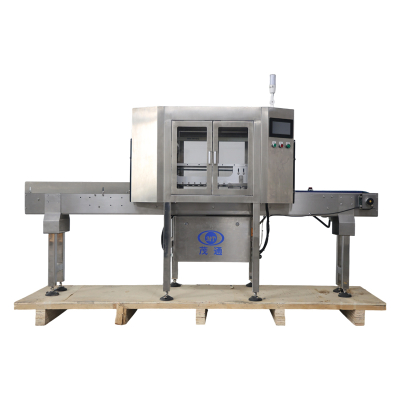
Our Visual Sealing Inspection Machine is specifically engineered for online inspection of sealing quality, complete with automatic detection and rejection of any defective products. Key features include non-contact inspection, which means no physical interaction with your products, preserving their integrity. It also boasts an impressive inspection speed, capable of processing up to 72,000 cans per hour, with a maximum throughput reaching 18,000 cans per minute for cans ranging from 1L to 2L. This robust capability ensures high-volume production lines maintain peak efficiency.
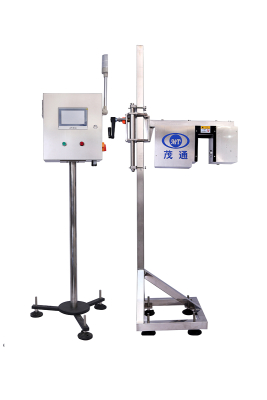
Furthermore, the system provides 360° online bottle cap inspection, offering comprehensive coverage to identify even the most subtle sealing flaws. A critical benefit is its ability to timely detect faults in the sealing machine itself, which actively helps prevent the continued production of large quantities of defective items, saving significant resources and reducing waste. For ease of use, our machine is equipped with a user-friendly color touchscreen HMI (Human-Machine Interface) for intuitive control and monitoring. The internal distribution cabinet houses essential components such as an image processing computer, interface processing computer, strobe controller, control system, LED light source, industrial camera, and various sensors. The rejection device then precisely receives signals to control the automatic removal of any non-compliant products, streamlining your quality control process.
How Our Inspection Principle Works
The core of our Visual Sealing Inspection Machine lies in its advanced inspection principle. It uses a high-resolution camera coupled with a specialized 360-degree sidewall lens to capture detailed images of the sealing area. The system intelligently locates the bottle cap with precision, then establishes a circular detection area along the edge of the sidewall within the captured image. If the bottle cap is poorly sealed, this circular area will exhibit a noticeable grayscale value change.
We set a threshold parameter based on the degree of this grayscale change. Should the grayscale value exceed this predefined threshold, the product is immediately identified as defective and subsequently rejected from the production line. This sophisticated, vision-based approach allows for continuous inline operation, meaning products continue to move through the conveyor system during inspection, ensuring no interruption to your production flow while maintaining stringent quality checks.
Critical Operating Environment Requirements
Maintaining stable environmental conditions is truly essential for the optimal performance of our Visual Sealing Inspection Machine. Accurate vision inspection relies heavily on repeatable imaging, predictable product movement, and consistently reliable equipment operation. Our system is designed for an operating altitude between 5–3000 meters above sea level. The ambient temperature must remain within a range of 5°C–40°C, and relative humidity should be kept between 50%–65% RH. These precise parameters prevent thermal expansion and contraction of components and reduce the risk of condensation or static, which could otherwise interfere with camera optics and electronic sensors.
Factory conditions also play a significant role. The floor flatness, load capacity, and other site conditions must strictly comply with relevant national standards to ensure stable equipment operation. If the foundation is uneven or the installation area cannot support consistent machine positioning, this could lead to vibrations or misalignments, making the Visual Sealing Inspection Machine harder to commission and maintain accurately during continuous production. Proper environmental control safeguards the precision and longevity of the inspection system.
Essential Utility Conditions for Seamless Operation
Before installation, it is crucial for buyers to confirm that the required power and air supply are readily available and correctly configured. Our Visual Sealing Inspection Machine operates on 220V, 50Hz, single-phase power. Any special voltage requirements must be communicated and arranged in advance to avoid compatibility issues. The total power consumption is approximately 0.5 kW, with a control voltage of 24 VDC, reflecting an energy-efficient design.
Crucially, the system requires a compressed air supply ranging from 4–12 bar. The customer is responsible for arranging the air source connection from their supply to the machine. Neglecting these utility details early can lead to significant installation delays and potential operational issues once the machine is on site. Confirming and preparing these utilities beforehand ensures a much smoother startup and reliable, uninterrupted performance of your Visual Sealing Inspection Machine.
Conveyor and Installation Specifications
The installation requirements for our Visual Sealing Inspection Machine are precise to guarantee peak performance. We specify a single-row chain conveyor with a recommended length of approximately 1.8 meters. Within the critical inspection point, the conveyor line must maintain a clear path around the bottle necks. It is absolutely vital to avoid both vibration and water droplets in this area, as either can significantly interfere with the camera's inspection process, leading to inaccurate readings or false rejections.

Moreover, the inspection chain conveyor should not have a slope exceeding 20°, and containers must be spaced consistently, 3–5 mm apart. This precise spacing ensures that each can is presented to the camera at the correct interval for individual inspection. Should bottle neck vibration be observed at the inspection installation location, a 60–80 mm clamping device must be added. This device provides essential stability, allowing the Visual Sealing Inspection Machine to consistently locate the cap and accurately inspect the defined circular detection area with optimal repeatability and precision.
Proper Storage Before Commissioning
Storage conditions are just as important as operating conditions, especially before commissioning begins. Upon delivery, all equipment and components must be stored in strict compliance with relevant national standards. During this storage period, it is imperative that proper lubrication and routine maintenance are carried out. This proactive approach helps prevent corrosion, deformation, or surface damage that could otherwise negatively impact the later installation, commissioning, or normal operation of the Visual Sealing Inspection Machine. This step is often a straightforward, practical matter: simply keep components protected, avoid unnecessary exposure to harsh elements, and preserve the mechanical and optical stability of the machine before it is integrated into your production line.
System Highlights: Why Our Machine Excels
Our Visual Sealing Inspection Machine goes beyond basic defect detection, incorporating several key design philosophies that ensure outstanding performance and ease of integration into your existing lines. We pride ourselves on its user-friendly interface, featuring a color touchscreen HMI that simplifies control and monitoring, reducing operator training time and potential errors. For comprehensive quality assurance, the system supports dual-sided inspection for both inkjet coding and QR code validation, offering versatile verification capabilities.
Designed with flexibility in mind, our machine boasts a modular architecture with flexible interfaces, allowing for easy integration into diverse production setups and seamless scalability for future upgrades. This ensures your investment remains relevant as your production needs evolve. Ultimately, its robust construction and meticulous engineering deliver high reliability, characterized by minimal downtime and simplified maintenance procedures. These combined highlights underscore our commitment to delivering a high-performance, dependable, and future-ready sealing inspection solution.
FAQs
What is the inspection speed of the Visual Sealing Inspection Machine?
Our listed feature specification indicates an impressive inspection speed of up to 72,000 cans/hour, ensuring high-volume production efficiency.
Does the Visual Sealing Inspection Machine touch the product?
Absolutely not. It is specifically designed for non-contact online inspection, meaning the inspection process does not involve any physical contact with your product, thus preventing damage.
What sealing defects does the system identify?
The system accurately identifies defective products by analyzing grayscale value changes within a circular detection area around the sealing region. Any products where the grayscale value exceeds the set threshold are promptly rejected.
What environmental range is required?
The specified operating range for optimal performance is 5–3000 m altitude, an ambient temperature between 5°C–40°C, and a relative humidity of 50%–65% RH.
When is a clamping device needed?
If any bottle neck vibration is observed at the inspection position on your conveyor line, a 60–80 mm clamping device should be installed. This ensures improved stability for precise and consistent inspection.