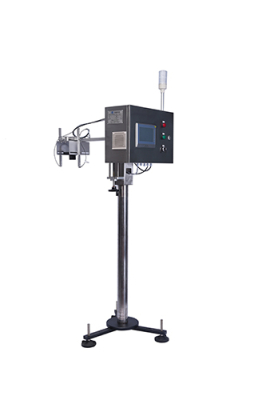
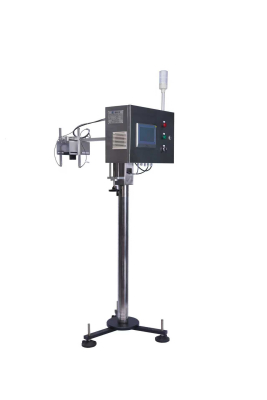
Can Pressure Inspection Machine Stabilizes 1200 CPM Lines
High-speed canning lines demand precise pressure control that functions seamlessly during production, not just in laboratory settings. The Can Pressure Inspection Machine Can Pressure Inspection Machine is engineered for online internal pressure testing of cans and other suitable gas-containing containers. With an impressive inspection speed exceeding 1,200 cans per minute, static inspection accuracy of ±0.01 MPa, and dynamic inspection accuracy of ±0.02 MPa, this Can Pressure Inspection Machine empowers production teams to detect pressure deviations, leakage, missing lids, inverted cans, and blocked cans efficiently, preventing defective products from progressing downstream. This Can Pressure Inspection Machine is essential for maintaining product quality.
Why Adaptive Line Tracking Matters
The Can Pressure Inspection Machine features adaptive tracking of product line speed, automatically stopping when the production line halts. This capability is especially critical on high-speed beverage and container lines, where continuous squeezing during idle operation could significantly increase the risk of bottles or cans bursting. By synchronizing precisely with the conveyor system, this Can Pressure Inspection Machine supports both high-pressure and low-pressure product inspection, ensuring consistent quality control aligned with actual line movement.
This robust adaptive tracking transforms the Can Pressure Inspection Machine into an integral component of the production line. It helps operators maintain optimal pressure quality without interrupting normal throughput, thereby enhancing overall operational safety and efficiency. The design of the Can Pressure Inspection Machine ensures robust operation.
How Belt Squeeze Pressure Detection Works
At the core of this Can Pressure Inspection Machine is advanced belt-squeeze detection technology. At the inlet, a sophisticated guide mechanism gently pre-squeezes each container, establishing a defined and consistent baseline pressure condition. If a container exhibits a leak, its internal pressure is allowed to dissipate as much as possible before the final pressure measurement point.
Conversely, a properly sealed container shows only relatively minor pressure variations, while a leaking or poorly sealed container displays a clear, significant deviation from the normal pressure profile. This comparison reliably identifies sealing defects and potential leaks.
During online inspection, the process follows a controlled and precise sequence:
This innovative Can Pressure Inspection Machine also supports additional vital functions such as leak detection, no-lid detection, inverted-can detection, blocked-can detection, and automatic rejection based on user-defined criteria.
Key Inspection Capabilities
Beyond basic pressure measurement, the Can Pressure Inspection Machine offers a suite of detection functions crucial for modern production environments. These include:
•Internal Pressure Measurement: Precise quantification of internal pressure to ensure product integrity.
•Leak Detection: Advanced algorithms to pinpoint even subtle leaks that could compromise product quality and shelf life.
•No-Lid Detection: Automated identification of containers missing their lids, preventing incomplete products from reaching consumers.
•Upside-Down Container Detection: Ensures proper orientation of containers for subsequent processing or packaging.
•Blocked Container Detection: Identifies containers that are stuck or improperly positioned on the line, preventing jams and production delays.
•Automatic Rejection: Nonconforming products are automatically removed from the line based on user-defined thresholds, minimizing manual intervention and maximizing efficiency. The comprehensive capabilities of the Can Pressure Inspection Machine include these advanced features.
Performance Specifications for Buyers
When evaluating a Can Pressure Inspection Machine for demanding production lines, buyers should review all documented parameters holistically rather than in isolation. The Can Pressure Inspection Machine Can Pressure Inspection Machine delivers robust performance backed by clear specifications:
| Item | Specification |
|---|---|
| Production line speed tracking | Adaptive, automatic stop during downtime |
| Inspection speed | More than 1,200 cans/minute |
| Pressure compatibility | Compatible with both high- and low-pressure product testing |
| Static inspection accuracy | ±0.01 MPa |
| Dynamic inspection accuracy | ±0.02 MPa |
| Response capability | High-speed |
| HMI operation | User-friendly |
| Rejection data display | Real-time display of multiple rejection data points |
| Alarm | Visual alarm with impact monitoring |
| Language | Built-in Chinese menu |
| Signal processing | Proprietary DSP digital signal processing technology from Maotong |
| Technical support | 24/7 remote technical support |
| Rejection | Continuous rejection with automatic stop protection |
These impressive figures highlight the importance of installation quality. For instance, excessive vertical vibration of the conveyor chain may affect detection accuracy. Therefore, stable conveyor alignment and controlled product movement are integral to successful commissioning and achieving optimal performance from this advanced Can Pressure Inspection Machine.
Detection Accuracy
Precision is paramount for reliable quality control with the Can Pressure Inspection Machine. The Can Pressure Inspection Machine offers exceptional accuracy across its operational range:
| Parameter | Specification | Notes |
|---|---|---|
| Detection Range | 0.08–0.5 MPa | |
| Accuracy | Better than 0.01 MPa | Excessive vertical conveyor vibration may affect precision |
| Rejection Rate | ≥99.99% | |
| False Rejection Rate | ≤0.01% |
HMI Monitoring and Reject Control
The Can Pressure Inspection Machine integrates intuitive human-machine interface (HMI) operation, providing real-time dynamic display of multiple rejection data sets. Operators can effortlessly monitor comprehensive rejection information as production progresses, while a clear visual light alarm function indicates any abnormal impact conditions. Furthermore, the continuous rejection shutdown feature adds another critical layer of protection, automatically halting the line if repeated nonconforming products are detected.
This versatile Can Pressure Inspection Machine is ideal for aluminum cans filled with liquid nitrogen, PE/PP plastic bottles containing gas or steam, and other gas-filled containers (excluding CO₂-based products). Its versatile application range should be carefully matched with the actual container type, specific pressure conditions, and existing line layout to ensure seamless integration and optimal performance.
Applicable Containers
The versatility of this Can Pressure Inspection Machine allows it to handle a variety of container types, making it a valuable asset for diverse manufacturing lines:
•Aluminum cans sealed with liquid nitrogen, commonly used in beverage and food industries.
•PE/PP plastic bottles containing steam or gas, often found in dairy, pharmaceutical, or chemical packaging.
•Other pressurized containers, with the specific exclusion of CO₂-based products, ensuring compatibility with a wide array of industrial applications.
Equipment Design and Dimensions
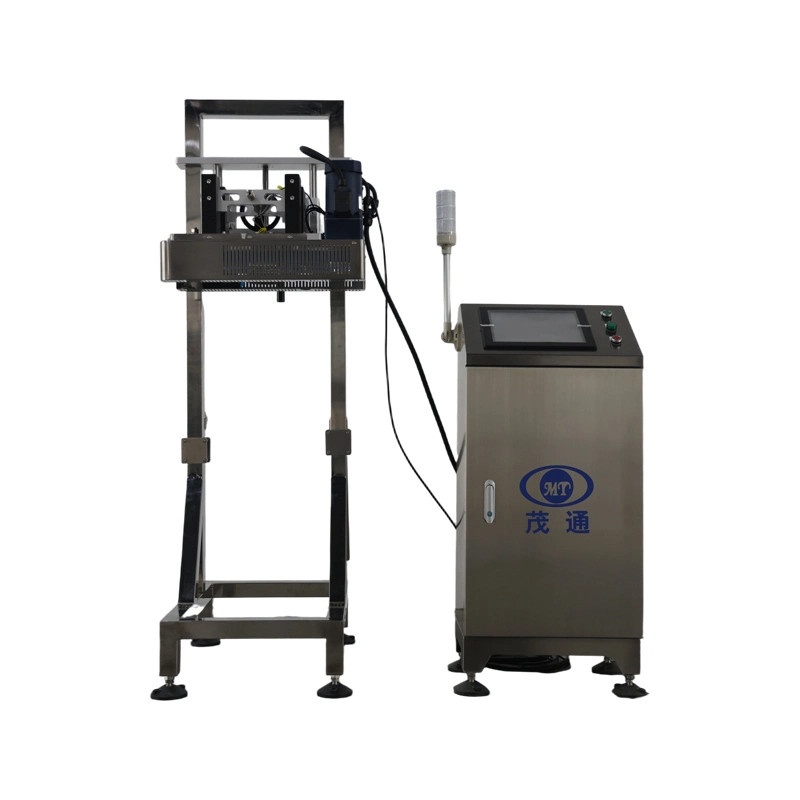
The Can Pressure Inspection Machine is designed for robust performance and easy integration into existing production lines. Its compact yet sturdy construction ensures reliability and longevity:
| Item | Specification |
|---|---|
| Overall Size | 600 mm × 1000 mm × 1700 mm |
| Frame Material | 304 stainless steel, designed for direct conveyor mounting |
| Weight | Approx. 100 kg |
Installation and Safe Operation Priorities
Proper installation and adherence to safety protocols are paramount for the optimal performance and longevity of the Can Pressure Inspection Machine. The Can Pressure Inspection Machine should be installed horizontally on a straight conveyor section of approximately 1.5–2 meters, with the clamping conveyor belt perfectly aligned parallel to the product's bottom conveyor belt. For reliable inspection performance, products should ideally be tested after they have cooled to a stable temperature. Before startup, operators must meticulously check all cables for loose connections, confirm that the rack control box is properly grounded, and verify the compressed-air pressure (maintaining between 4–8 bar) and air quality. All safety protection devices must also be in place and functional.
Safe operation also requires strict practical discipline. Only trained and qualified personnel are authorized to operate this Can Pressure Inspection Machine. All maintenance tasks must be handled exclusively by certified technicians. Crucially, the Can Pressure Inspection Machine's cover must remain closed during operation. Power and compressed air supplies must be completely isolated and shut off before the cover is opened for any reason, ensuring maximum safety for personnel.
Safety Instructions
Commercial Terms
Maotong Inspection offers comprehensive support and favorable terms for the Can Pressure Inspection Machine:
For detailed specifications and further inquiries, please visit the Can Pressure Inspection Machine product page.
FAQs
What speed can the Can Pressure Inspection Machine handle?
The MT-YLG-XL-C0-04 Can Pressure Inspection Machine is capable of inspecting more than 1,200 cans per minute, making this Can Pressure Inspection Machine suitable for high-speed production lines.
What pressure range does it detect?
The documented detection range for this Can Pressure Inspection Machine is 0.08–0.5 MPa, accommodating a variety of pressurized containers.
What accuracy does the system provide?
This Can Pressure Inspection Machine offers a static inspection accuracy of ±0.01 MPa and a dynamic inspection accuracy of ±0.02 MPa, ensuring highly reliable measurements.
What defects can be rejected?
The Can Pressure Inspection Machine can reject products based on pressure deviation, leakage, missing lids, inverted cans, blocked cans, and other user-defined rejection criteria, providing comprehensive quality control.
Why should products be cooled before testing?
Installation specifications for the Can Pressure Inspection Machine recommend inspection after cooling to ensure reliable detection performance, as temperature fluctuations can affect internal pressure and measurement accuracy.