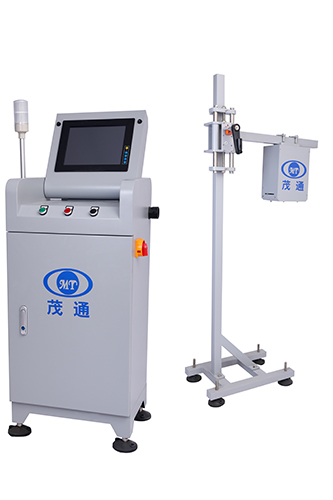
Sealing Visual Inspection Machine
1.Non contact online Inspection, no damage to the product.
2. Fast Inspection speed, up to 72000 cans/hour at the fastest.
3.360° online botle cap Inspection
4.Timely detect faults in the sealing machine to avoid producing a large number of defective products
Product Information
Project Overview
1. Project Name: Sealing Inspection
2. Project Description: Automatic inspection of seals, detecting defective products, and rejecting them in real-time
3. Maximum Production Capacity: Up to 18,000 cans per minute
4. Applicable Can Sizes: 1L to 2L
Environmental Requirements
1. Recommended Altitude: 5–3000 meters above sea level
2. Optimal Ambient Temperature: 5°C to 40°C
3. Optimal Humidity: 50–65% relative humidity
4. Factory Conditions: Floor evenness and load-bearing capacity must comply with national standards to ensure normal operation of the equipment
5. Storage Conditions in Factory: Upon arrival, machines and components should be stored in areas meeting relevant standards. Parts must be properly lubricated and maintained to avoid surface damage or deformation that could interfere with installation, commissioning, or operation
Equipment Specifications
1. Power Supply: 220V, 50Hz, single-phase (special voltages require prior consultation; specifications, delivery time, and pricing may vary)
2. Total Power Consumption: Approx. 0.5 kW
3. Control Voltage: 24V DC
4. Compressed Air: Required air pressure between 4–12 bar; customer must provide the connection from the air source to the machine
Equipment Features
1. Non-Contact Online Inspection
1. User-friendly color HMI
2. Full inspection of both sides of cans, including inkjet and QR code verification
3. Modular design offering multiple interfaces and space for future expansion
4. High reliability with low failure rates and easy maintenance
2. Mechanical Components: Designed for durability and precise operation
Equipment mechanical components
model
| Name | Brief Description | Functional Description | Remark
|
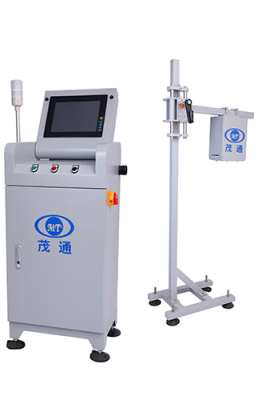
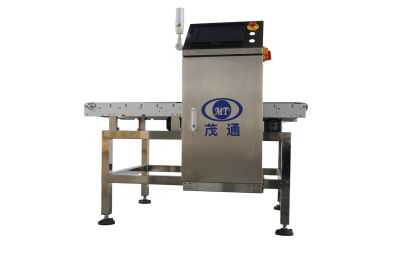
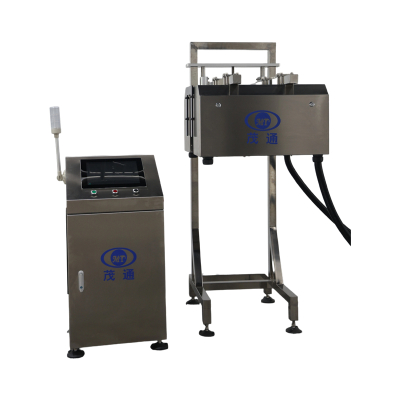
1 | Distribution cabinet | It consists of an image processing computer, an interface processing computer, a strobe controller, a control system, an LED light source, an industrial camera, and sensors. | Supplies power to the entire system, processes images, and controls the rejection of defective products. | |
2 | Detection module | It primarily consists of solenoid valves and mechanical components. | Dynamically captures images | |
3 | Rejection device | Brief Description | Receives signals and controls the rejection of defective products. |
Electrical composition of the equipment
model
| Name | Model | quantity
| Notes |
1 | Image processing industrial computer | Intel 5 processor | 1 | Taiwan |
2 | Camera | Customizable full-view | 1 | Made in China |
3 | Camera IO module | 1 | Made in China | |
4 | Lens | Customizable all-around | 1 | Made in China |
5 | Camera cable | 1 | Customized | |
6 | DSP | MT-9000 | 1 | Customized |
7 | Touch screen | 1 | Taiwan | |
8 | Light source controller | OPT | 1 | Made in China |
9 | Light source | LISHI | 1 | Made in China |
Inspection Method
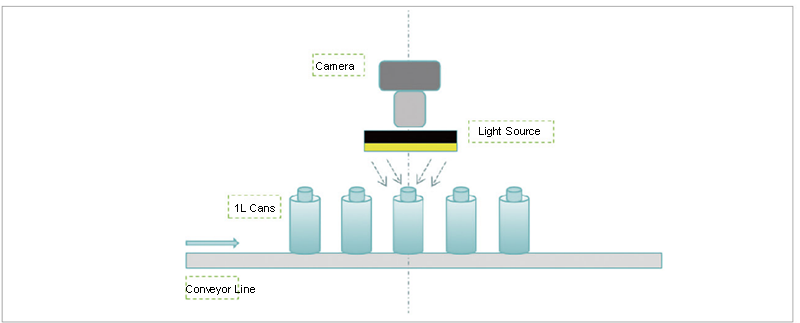
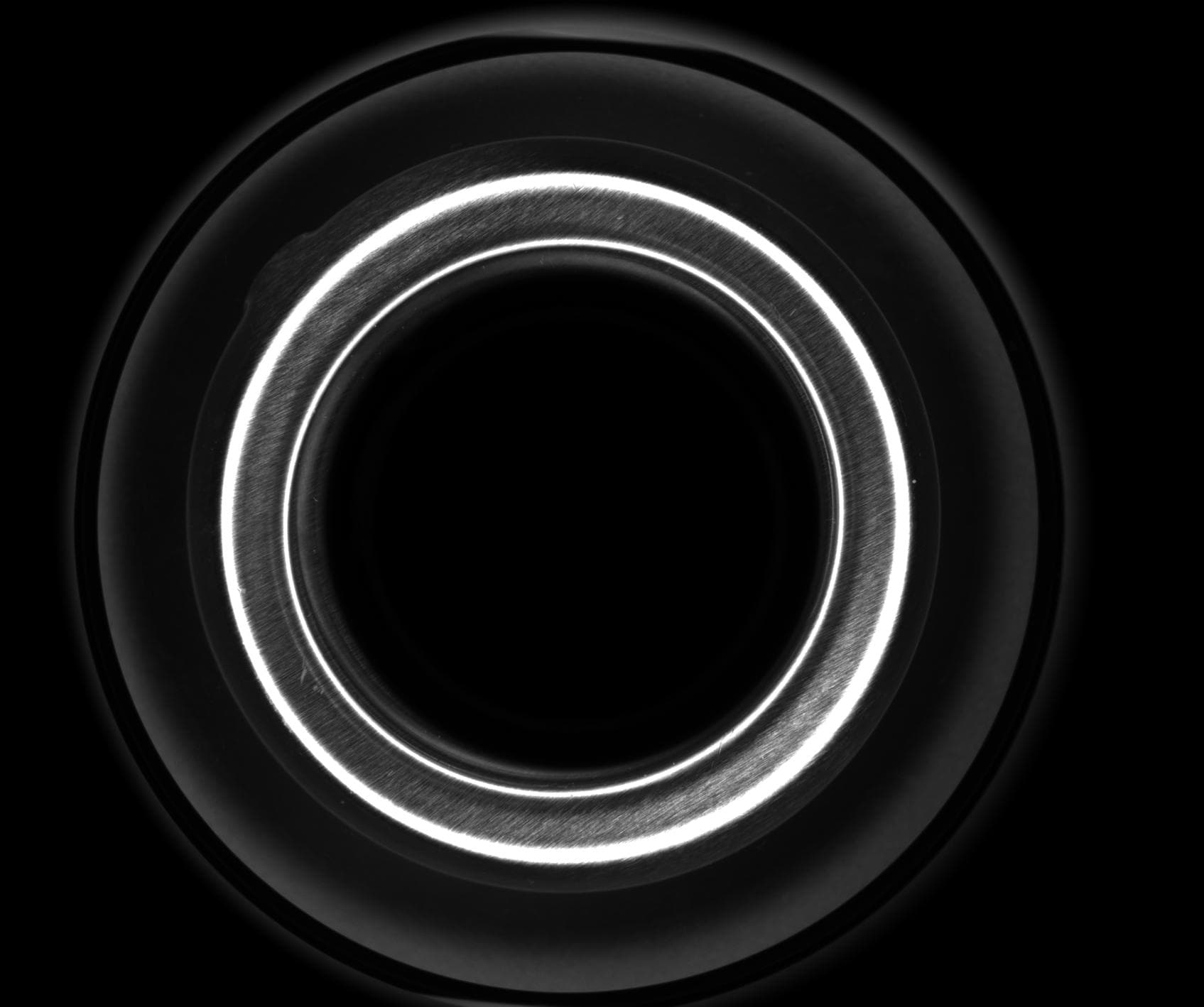
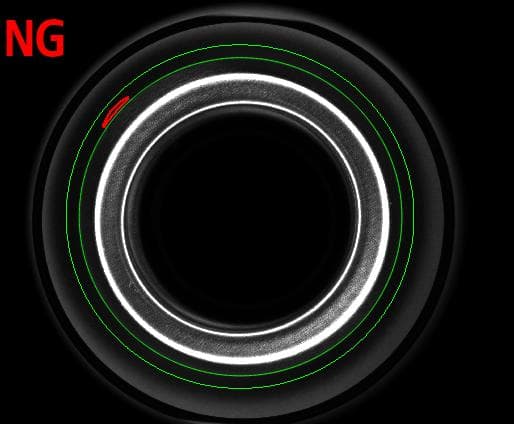
The system utilizes a high-resolution camera paired with a 360° sidewall lens to capture detailed images of the can sealing.
The bottle cap is precisely located, and a circular detection zone is defined along the sidewall edge.
Poorly sealed caps cause noticeable grayscale variations within this zone.
By setting a threshold based on the intensity of grayscale changes, the system automatically identifies and rejects defective cans when the threshold is exceeded.
Installation Requirements
1. The conveyor must be a single-row chain type, approximately 1.8 meters long, ensuring a clear path around the bottle necks. The presence of vibration or water droplets may interfere with the camera inspection process.
2. The conveyor slope should not exceed 20°, and bottles should be spaced 3–5 mm apart.
3. If vibration occurs at the bottle necks during inspection, a clamping device measuring 60–80 mm should be installed to stabilize the bottles.