How Does Automatic Can Level Detection Work in Production Lines?
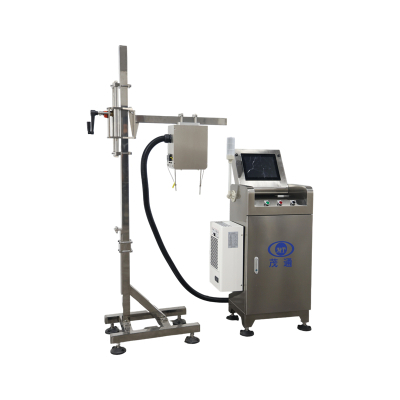
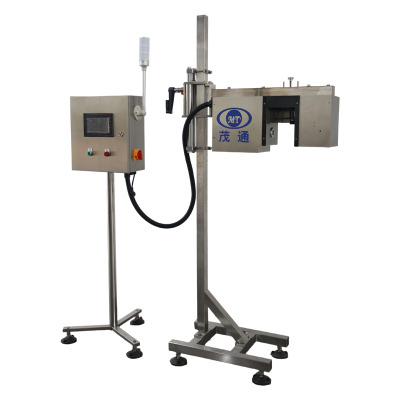
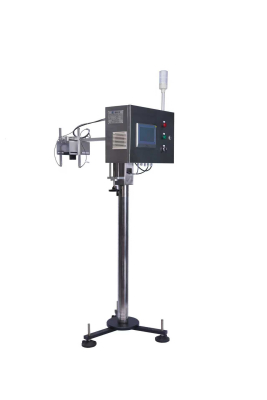
Automatic can level detection uses advanced sensing technologies to inspect the liquid level inside sealed or semi‑sealed cans without contact. The most common technologies include photoelectric detection, ultrasonic detection, laser detection, and machine vision.
Photoelectric can level detection is widely used due to its stability and low cost. It uses infrared or visible light beams to identify the position of the liquid surface inside the can. When the liquid level is too low or too high, the sensor triggers a signal to reject the can.
Ultrasonic can level detection is suitable for opaque liquids and metal cans. It measures the distance between the sensor and the liquid surface using sound waves, ensuring high accuracy even in high‑speed environments.
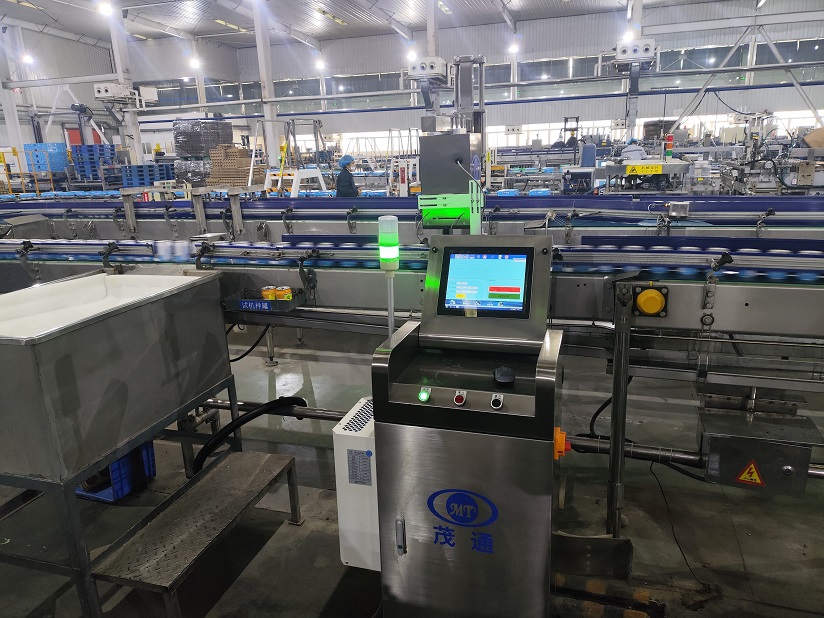
Laser can level detection offers the highest precision, reaching up to ±0.1mm. It is often used in high‑end beverage production lines for energy drinks, beer, juice, and carbonated drinks.
Machine vision‑based can level detection uses cameras and image processing algorithms to inspect the liquid level, cap placement, and fill status at the same time. It is widely used in fully automated smart factories.
All these technologies enable real‑time detection, automatic rejection, data recording, and production statistics, which are essential for quality traceability in export‑oriented beverage factories.