Pull Ring Cover Inspection Machine Catches Defects Early
For beverage can producers, cap quality is never a minor detail at the end of the line. A missing cap, a rotated pull ring cover, or a slightly popped lid can quickly slip through to downstream packing if the inspection process isn't absolutely stable. Our Pull Ring Cover Inspection Machine is specifically engineered for online cap quality inspection on high-speed can production lines, automatically detecting and rejecting defective caps while seamlessly supporting continuous, high-volume output. This ensures consistent product integrity and upholds brand reputation.

What Our Pull Ring Cover Inspection Machine Is Built to Do
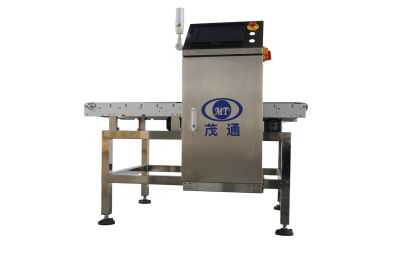
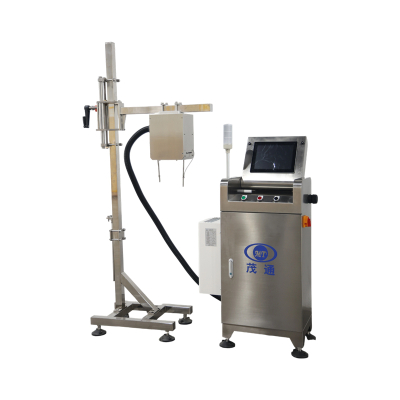
Our system is designed for online inspection of cap quality on various can production lines, automatically rejecting any caps that don't meet our strict inspection requirements. Specifically, the Pull Ring Cover Inspection Machine model is a dedicated can Cap Inspection Machine capable of handling production speeds up to 60,000 cans per hour. Its primary inspection area is the cap, ensuring automatic rejection of defective caps with an impressive IP65 safety protection rating.
The core value of this machine is clear: it replaces inconsistent visual checking with reliable, non-contact, online inspection. It precisely follows each can through advanced imaging, detailed analysis, dynamic display, and immediate rejection. The Pull Ring Cover Inspection Machine also provides comprehensive 360° inspection coverage and utilizes specialized, customized light sources to effectively minimize interference from variations in cover and pull ring colors, ensuring robust detection.
Detection Capabilities That Matter on Can Lines
Our Pull Ring Cover Inspection Machine zeroes in on three critical cap conditions that are precisely measurable on the production line, safeguarding product quality and preventing costly recalls.

| Inspection item | Detection condition | Standard rejection rate | False detection rate |
|---|---|---|---|
| Cap presence inspection | No cap | ≥99.99% | ≤0.03% |
| Cap angle deviation | Deviation angle ≥5° | ≥99.9% | ≤0.03% |
| Cap pop-up inspection | Deviation value ≥1 mm | ≥99.9% | ≤0.03% |
For cap presence, our system accurately identifies cans without caps and promptly sends the corresponding cans for rejection, preventing incomplete products from reaching consumers. When it comes to cap angle deviation, a high-resolution Gigabit digital camera captures a precise top-down image, which is then processed using advanced 360° template matching algorithms to identify any angle deviation of 5° or more. Furthermore, for cap pop-up, specialized curved-surface scanning continuously monitors the top surface of each can cap; a pop-up deviation of 1 mm or more, typically caused by internal can expansion or air leakage, is immediately flagged as a reject condition. These values represent our standard accuracy figures, with specific performance fine-tuned during commissioning to account for individual cap conditions and the inherent jitter of various production lines.
Installation Requirements for Stable Inspection
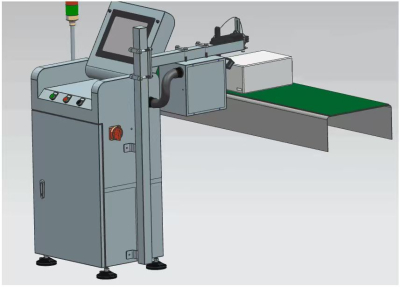
For optimal performance and reliable inspection, the Pull Ring Cover Inspection Machine should be installed on a 1.5–2 meter straight conveyor section situated directly downstream of the sealing machine. This strategic placement is crucial, as it allows the positioning sensor, encoder tracking system, camera trigger, and rejector to operate in perfect synchronization, minimizing disturbances from conveyor movement and ensuring consistent data capture. A typical inspection sequence follows this streamlined workflow:
Can arrival → Positioning sensor → Can ID and encoder recording → Digital camera → Image processor → HMI and control unit → Automatic rejector
As a can passes the positioning sensor, the sensor detects its arrival and initiates the inspection process. The control unit records the can's unique identification number and the current encoder signal, providing precise tracking. This sensor then triggers the digital camera to capture a high-quality image of the can cap, which is instantly transmitted to the image processor via the network. After rapid image analysis, the results are simultaneously sent to the human-machine interface for dynamic, real-time display and to the control unit. Should an unqualified cap signal be received, the control unit immediately instructs the rejector mechanism to precisely remove the corresponding defective can directly from the production line.
Functions That Support Continuous Production
Beyond simply detecting individual defects, our Pull Ring Cover Inspection Machine incorporates a suite of functions specifically designed to support continuous, high-volume beverage can production. The system stores images of defective caps, with the storage duration easily adjustable for thorough analysis and quality review at a later time. We also offer comprehensive remote monitoring and service capabilities, ensuring efficient and prompt technical support whenever needed. The machine includes continuous rejection functionality and an automatic line-stop feature that activates if defect counts exceed predefined limits, preventing extensive production of faulty products.
The system features a user-friendly HMI with multi-level access settings for enhanced security and ease of operation. An industrial-grade cooling system is integrated to guarantee stable performance during prolonged operation, even in warmer conditions. Our non-contact inspection method ensures no damage to your products, while the custom-designed light source effectively minimizes inspection interference from various cap and pull ring colors. For production lines requiring both closure and fill-level checks, we also offer the Cap and Liquid Level Inspection Machine as a related, comprehensive inspection solution.
Buyer Checklist Before Commissioning
Before integrating a Pull Ring Cover Inspection Machine into your can line, it's essential to confirm several practical conditions to ensure seamless operation and optimal performance:
Addressing these points proactively before commissioning helps ensure the inspection unit is perfectly matched to your specific production environment, delivering consistent quality control far beyond just its rated speed.