Can Code Inspection Machine Accuracy Buyers Should Check First
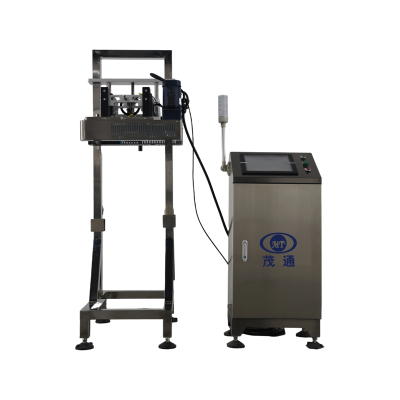
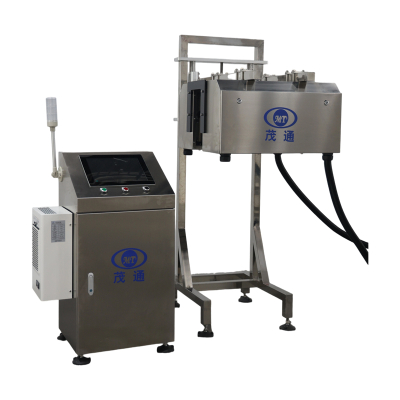
In high-speed beverage canning, a clear and correct bottom code is more than a packaging detail. It supports traceability, batch control, and downstream quality management. The MT-YLG-OCR-03 Can Code Inspection Machine is designed for online inspection of inkjet printing on can bottoms, identifying defective products and rejecting them before they continue along the production line.

Why Code Inspection Matters on Fast Can Lines
At high line speeds, manual checking cannot reliably follow every can. Water droplets left on the can bottom, clogged inkjet nozzles, displaced trigger sensors, and shifted printheads can all cause blurred, missing, misplaced, or incorrect codes. The concave bottom and reflective metal surface of cans also make imaging more difficult than on many flat or transparent materials.
A well-positioned Can Code Inspection Machine helps address these risks by inspecting the inkjet code area immediately after printing. In typical use, the system is installed close to the inkjet printer so defects can be detected early and removed online without waiting for later-stage checks.
Can Code Inspection MachineTechnical Parameters
The Can Code Inspection Machine Can Code Inspection Machine is configured around the practical needs of beverage can production lines. Its key parameters are shown below.
| Item | Specification |
|---|---|
| Equipment Name | Inkjet Printer |
| Model | Can Code Inspection Machine |
| Applicable Production Speed | 72,000 bottles/hour maximum |
| Speed Handling | Servo-controlled rejection when exceeding 72,000 BPH |
| Inspection Area | Inkjet Printer area |
| Rejection Method | Precise online rejection of defective cans detected by the inspection unit |
| Safety Protection Rating | IP65 |
These specifications matter when comparing a Can Code Inspection Machine for continuous production. The 72,000 BPH speed rating supports high-throughput lines, while servo-controlled rejection helps maintain removal accuracy when the line speed changes. The IP65 protection rating is also relevant in beverage environments where moisture, dust, and temperature variation are common.
How the Detection Process Works
The system uses a Gigabit Ethernet digital camera to capture images from above. When a can reaches the positioning sensor, the control unit records the can identification number and encoder signal. The sensor then triggers image capture, and the image is transmitted to the processor for analysis.
After processing, the result is displayed on the human-machine interface and sent to the control unit. If the can is judged unqualified, the rejector removes the matching can online. This workflow links image recognition, encoder tracking, and rejection control into one coordinated inspection sequence.
Defects the System Is Designed to Identify
The can bottom code inspection process covers several common inkjet defects found in beverage can production. These include no inkjet printing, missing characters, fuzzy characters that cannot be recognized by the human eye, incorrect date codes, incorrect factory codes, incorrect security codes, deformed printing, position offset beyond the set range, and duplicate printing within the code area.

The Can Code Inspection Machine also supports character recognition for year, month, and day information, fixed information such as factory codes, “Qualified” marks, and anti-counterfeiting codes. The system can automatically adjust date settings, which helps reduce manual intervention when production code formats change.
Detection Accuracy and False Kick Rate
Inspection performance is a core purchasing point for any Can Code Inspection Machine. The MT-YLG-OCR-03 data lists the following detection results for inkjet printing inspection.
| Inspection Item | Testing Condition | Rejection Rate | False Kick Rate |
|---|---|---|---|
| Inkjet Printing Inspection | -- | -- | ≤0.03% |
| No inkjet printing | Cover print, missing print, or inverted can | >99.99% | -- |
| Missing inkjet printing | Single character missing by more than 20% | >99.8% | -- |
| Fuzzy inkjet printing | Characters cannot be recognized by the human eye | >99.93% | -- |
| Incorrect inkjet printing | Wrong date, factory code, security code, or deformation | >99.99% | -- |
| Position offset | Beyond the expansion zone | >99.99% | -- |
| Duplicate inkjet printing | Multiple codes in the code area | >99.99% | -- |
For production teams, these figures show the intended balance between defect capture and unnecessary rejection. A false kick rate of ≤0.03% helps reduce waste, while high rejection rates for missing, incorrect, offset, and duplicate codes help protect traceability. The notes for this equipment state that the test items are performed in real time for each can, not only during shift handovers.
Operational Advantages for Beverage Producers
A Can Code Inspection Machine reduces dependence on manual inspection and improves consistency across long production runs. The system also stores photos of defective products by day, with adjustable storage duration, supporting quality review and process analysis.
The code inspection system includes additional practical functions such as 360° coding inspection without blind spots, continuous rejection and shutdown capability, 24-hour remote control capability, and zero-delay detection designed to reduce false rejection caused by can rubbing, sticking, blocking, or manual placement. For plants handling reflective metal cans, the ability to filter interference from bottom logos and scratches is also valuable for stable inspection.
FAQs
Can the MT-YLG-OCR-03 inspect at 72,000 BPH?
Yes. The listed applicable production speed is 72,000 bottles/hour maximum, with servo-controlled rejection when exceeding 72,000 BPH.
Where should the Can Code Inspection Machine be installed?
It is installed close to the inkjet printer so freshly printed can bottom codes can be checked immediately.
What defects can it detect?
It detects no printing, missing characters, fuzzy printing, incorrect codes, position offset, duplicate printing, cover printing, and inverted cans.
What does the ≤0.03% false kick rate mean?
It means the system is designed to keep unnecessary rejection of qualified cans very low during inkjet printing inspection.
Does the system support defect image storage?
Yes. It automatically stores photos of defective products by day, and the storage duration can be customized.