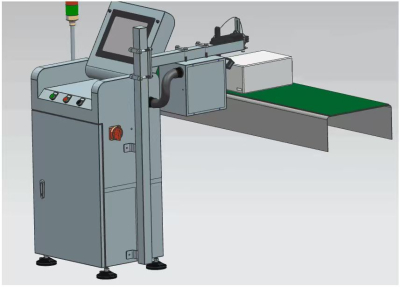
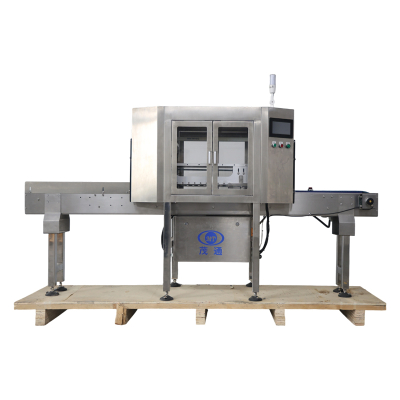
Keep Bottle Codes Clear With Code Inspection Machine
In bottled product lines, an unreadable inkjet mark can create traceability risk long after the bottle has left the filling area. A Code Inspection Machine addresses that risk by checking inkjet markings on both the bottle and cap, analyzing captured images digitally, and rejecting bottles with unqualified printing results. For PET bottle applications, the same inspection setup is often evaluated together with cap inspection and liquid level detection, so buyers can assess code quality as part of overall finished-bottle control.
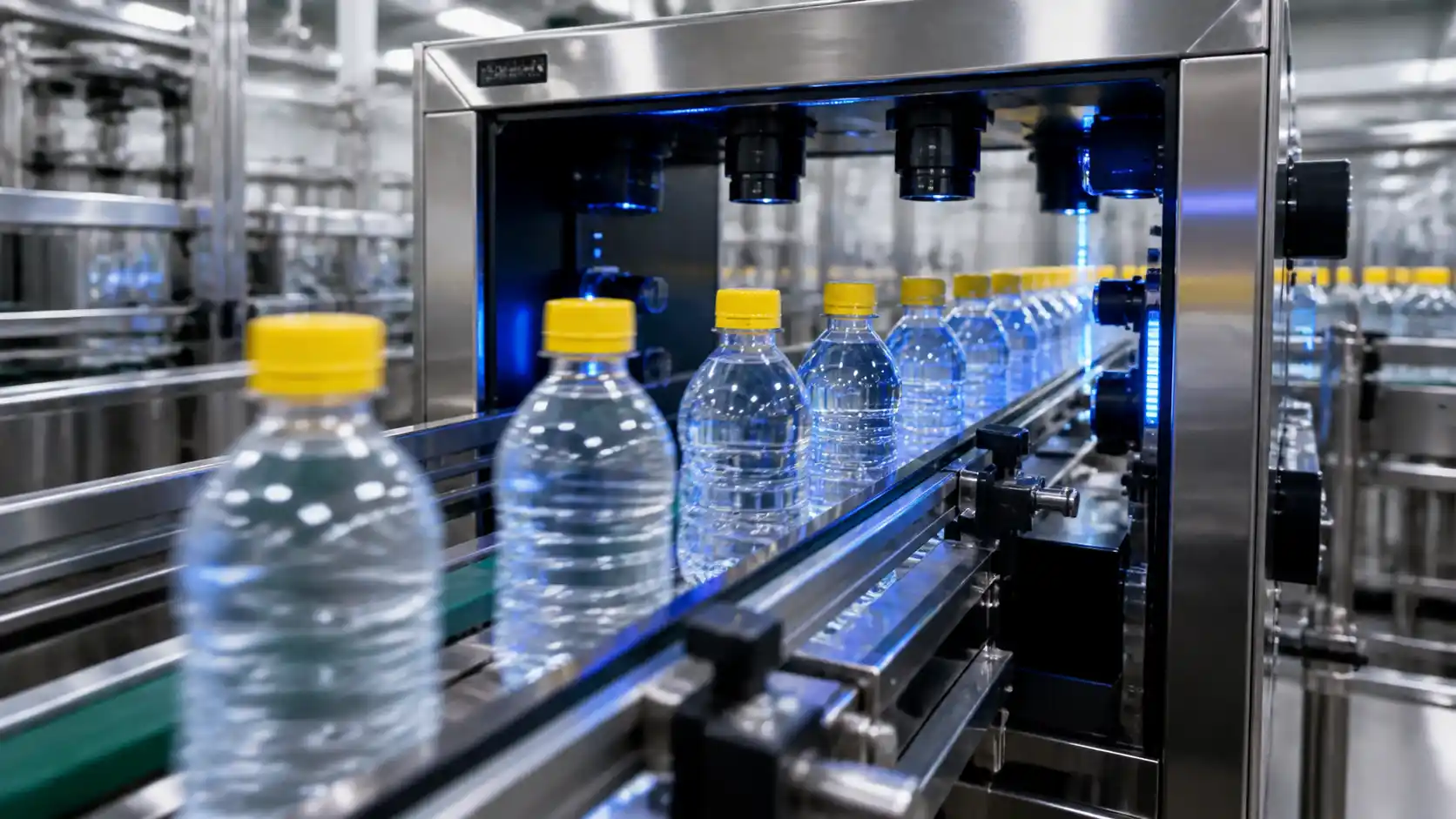
Why Inkjet Printing Inspection Matters
Inkjet codes usually carry production dates, batch information, or other marks that support downstream identification. If the print is missing, incomplete, or too blurred to recognize after image processing, the bottle may not meet the required quality standard. Manual checking is difficult to keep consistent, especially when caps and bottle surfaces vary in color, position, or texture.
A Code Inspection Machine uses a CCD camera to acquire front-facing images of inkjet markings on bottles and caps. These images are digitally analyzed so defective printing can be identified precisely. When the inkjet result is unqualified, the bottle is automatically rejected. The inspection supports two common color combinations: black text on yellow caps and white text on black caps.
How The CCD Camera Checks Bottle And Cap Codes
The inkjet printing inspection module focuses on image capture and digital analysis. A CCD camera photographs the inkjet printing from the front, then the system evaluates whether the printed result meets the required standard. This approach is particularly useful where code visibility depends on contrast, cap color, and print completeness.
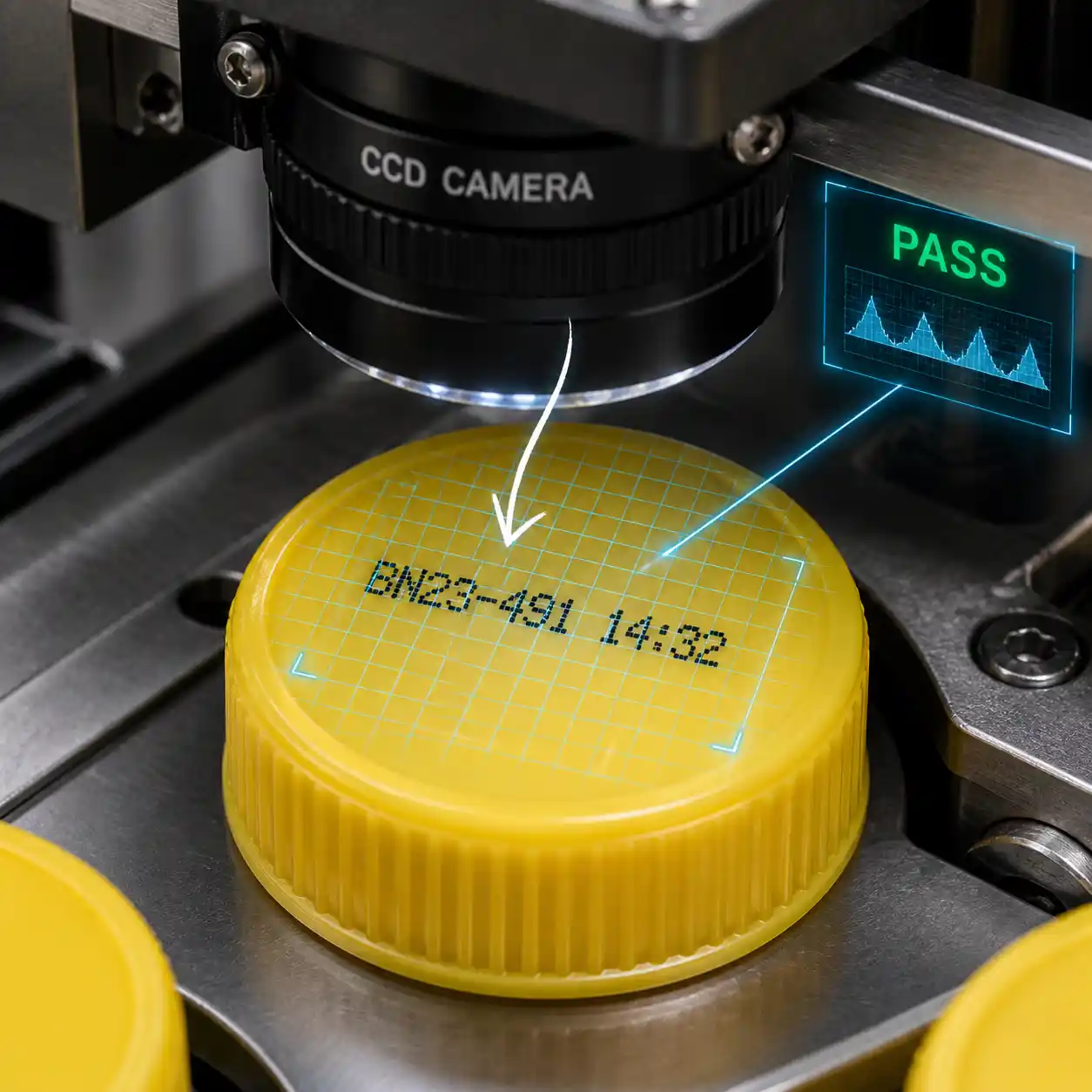
For buyers comparing inspection systems, the key point is not just whether a camera is present, but whether the Code Inspection Machine can distinguish qualified and unqualified inkjet results under the intended cap and ink combinations. In the described PET bottle setup, the system is compatible with yellow caps printed in black ink and black caps printed in white ink, which covers two common high-contrast inspection scenarios.
More Than Code Checking In PET Bottle Inspection
A practical Code Inspection Machine is often reviewed together with other finished-bottle checks. The related Cap Inspection module uses three CCD cameras to capture bottles from different angles, reducing blind spots. Special optical lenses filter light from different directions to support efficient image acquisition. This module is used to detect defects such as missing caps, overhanging caps, crooked caps, and broken caps.
The liquid level detection module uses a CCD camera to capture frontal liquid level images. When the bottle is stationary, the liquid surface is expected to remain nearly horizontal. Through image processing, the area below the liquid surface is displayed in black, while the empty area above appears white. This allows the system to distinguish whether the level is above or below the required threshold.
Detection Figures Buyers Should Review
The following figures help buyers understand the inspection scope commonly associated with this Code Inspection Machine configuration. They should be reviewed according to the specific bottle, cap, ink, and production conditions of the line.
| Inspection area | Defect or condition | Detection threshold | Rejection rate |
|---|---|---|---|
| Bottle cap inspection | No cap | — | ≥99.99% |
| Bottle cap inspection | High cap | >0.8 mm | ≥99.98% |
| Bottle cap inspection | Crooked cap | >0.8 mm | ≥99.5% |
| Safety ring inspection | 100% disconnected | >1 mm gap | ≥99.99% |
| Safety ring inspection | More than 70% broken | >1 mm gap | ≥98.32% |
| Safety ring inspection | 100% missing | — | ≥99.99% |
| Liquid level detection | High or low level | 3 mm below or above standard | ≥99.92% |
| Inkjet inspection | No inkjet print | — | ≥99.99% |
| Inkjet inspection | Overall inkjet print 50% missing | — | ≥99.95% |
| Inkjet inspection | Overall inkjet print 30% missing | — | ≥99.9% |
| Inkjet inspection | Overall inkjet print 20% missing | — | ≥99.8% |
| Inkjet inspection | Inkjet print blurred enough to remove characters after processing | — | ≥99.99% |
These values show why a Code Inspection Machine is widely regarded not just as a code reader, but as a quality control point for multiple visible bottle conditions.
Practical Buying Checklist
Before selecting a Code Inspection Machine for PET bottle lines, buyers should confirm:
A well-specified Code Inspection Machine helps keep printed bottle information readable before products move further into packaging, storage, or shipment.
FAQs
What does a Code Inspection Machine check?
It checks inkjet markings on bottles and caps through CCD camera image capture and digital analysis. In related PET bottle inspection setups, cap defects and liquid level conditions may also be checked.
Can it inspect both bottle and cap inkjet printing?
Yes. The inkjet printing inspection module uses a CCD camera to acquire images of inkjet markings on both the bottle and cap.
What happens when the inkjet result is unqualified?
Bottles with unqualified inkjet printing results are automatically rejected.
Which cap and ink color combinations are supported?
The system supports black text on yellow caps and white text on black caps.
Does the system only inspect inkjet codes?
The inkjet module focuses on printing inspection. Related PET bottle inspection configurations also include cap inspection and liquid level detection.