Let Code Inspection Machine Catch Cap Defects Earlier
A Code Inspection Machine is most valuable when it finds visible bottle problems before they move further into packaging. For bottled products, cap condition is one of the first quality signals buyers and production teams notice. A missing, crooked, overhanging, or broken cap may affect downstream handling, visual acceptance, and final shipment confidence. That is why the cap inspection module deserves close attention when evaluating a Code Inspection Machine for bottle lines.

Why Cap Inspection Comes First
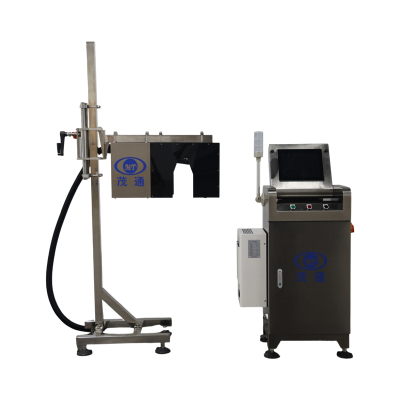
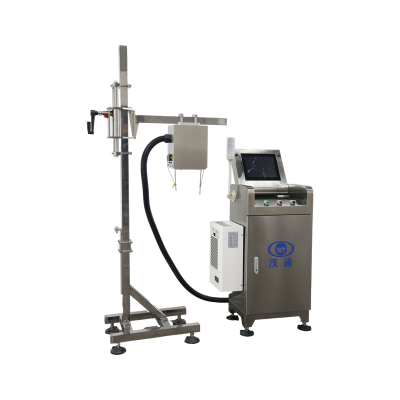
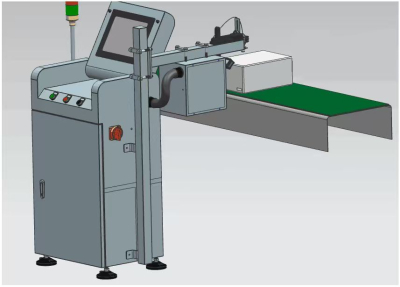
The cap inspection module in a Code Inspection Machine uses three CCD cameras to capture bottle images from different angles. This multi-angle arrangement helps reduce blind spots that can occur when a cap defect is visible from one side but not another. Special optical lenses filter light from all directions, supporting efficient image acquisition and clearer cap-area inspection.
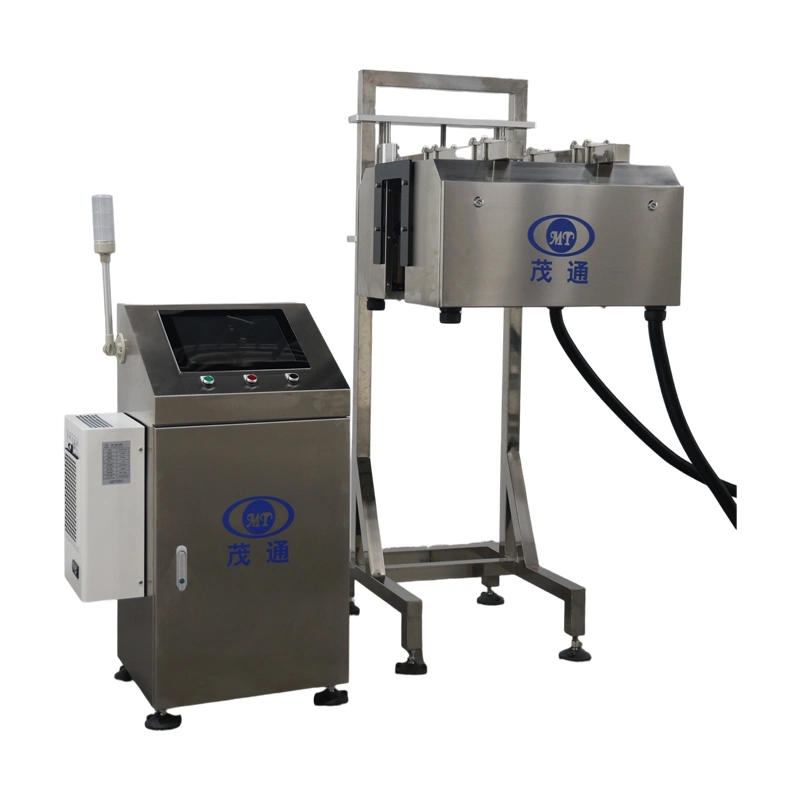
The module is designed to detect defective bottles with issues such as missing caps, overhanging caps, crooked caps, and broken caps. These defects are simple to describe but costly to overlook. A cap may appear acceptable from the front while showing a skewed edge from another angle. By capturing multiple views, the Code Inspection Machine gives the control process more visual information before a decision is made.
How the Code Inspection Machine Links Defects to Bottle ID
A key part of inline inspection is not only finding a defect, but connecting that result to the correct bottle. When a non-conforming result is confirmed, the control unit associates the defect with the corresponding bottle ID and sends a command to the rejection system. This sequence helps ensure that the bottle identified by the Code Inspection Machine is the one removed from the line.
In practice, the inspection flow can be understood as follows:
•The bottle enters the inspection area.
•CCD cameras capture cap images from different angles.
•The system analyzes whether the cap condition meets the required judgment.
•A non-conforming result is matched with the relevant bottle ID.
•The rejection system receives the command to remove the defective bottle.
This bottle-by-bottle logic is especially important for continuous production, where many bottles pass the inspection station in quick succession.
Cap Inspection Works Better With Level and Code Checks
A Code Inspection Machine may also work with other inspection modules, including liquid level detection and inkjet printing inspection. These modules address different quality points, but together they create a more complete view of bottle condition.
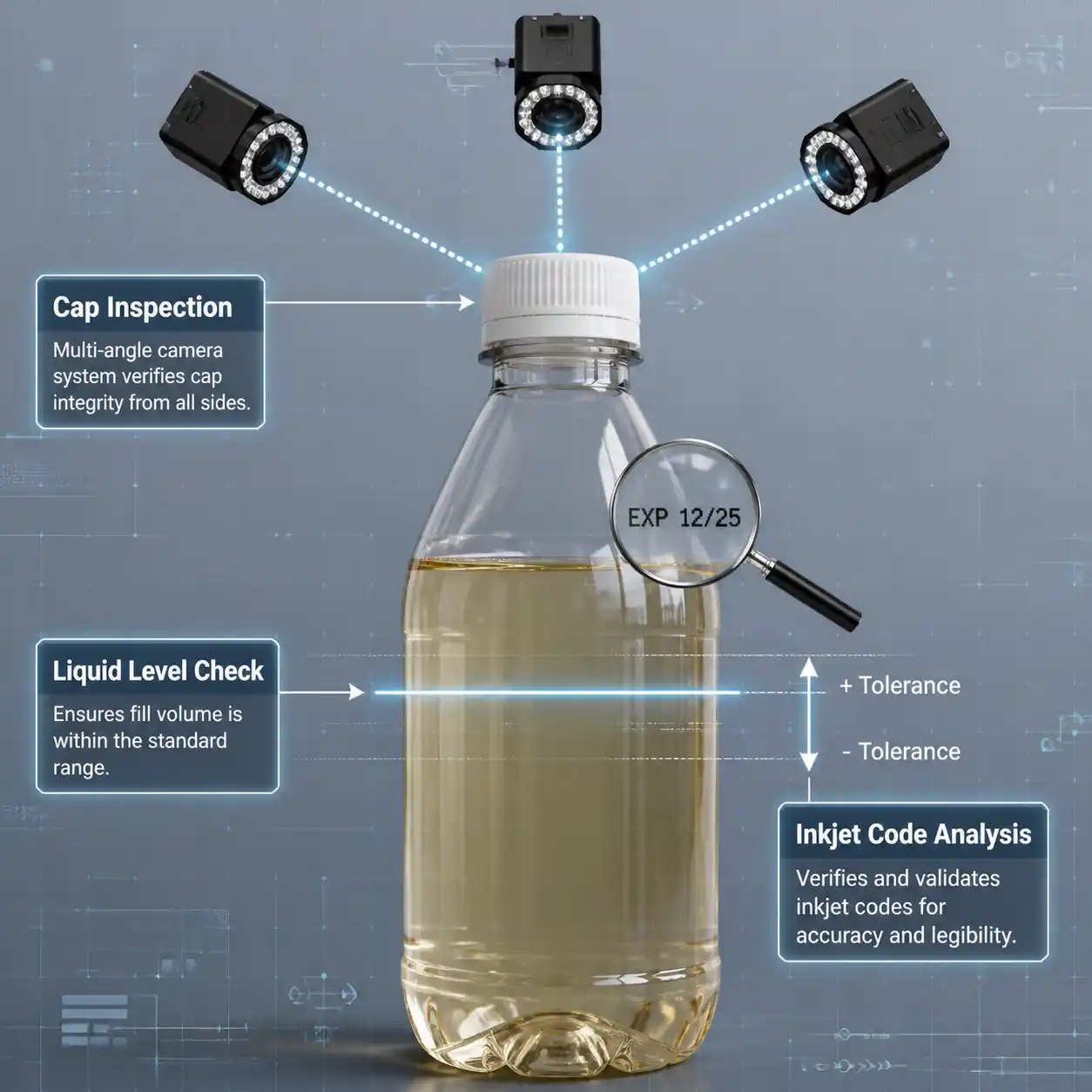
For liquid level inspection, a CCD camera captures frontal images of the bottle’s liquid level. The image processing method displays the area below the liquid level in black and the empty area above in white, then distinguishes whether the liquid level is above or below the required threshold. This supports a clear visual basis for judging fill-level conformity.
For inkjet printing inspection, a CCD camera captures frontal images of inkjet markings on bottles and caps. The captured images are digitally analyzed, and bottles with unqualified inkjet printing can be rejected automatically. The inspection supports combinations such as black ink on yellow caps and white ink on black caps.
What Buyers Should Clarify Before Selection
Before selecting a Code Inspection Machine, buyers should define which inspection points matter most on their bottle line. For cap quality, the discussion should include whether the line needs to detect missing caps, overhanging caps, crooked caps, broken caps, or a combination of these defects. For integrated inspection, buyers should also clarify whether liquid level detection and inkjet printing inspection are required in the same inspection setup.
A practical checklist may include:
The most effective discussion around a Code Inspection Machine usually starts with real bottle samples, visible defect definitions, and a clear rejection requirement. This keeps the inspection target concrete and helps avoid vague acceptance standards.
Why Clear Imaging Decides Inspection Confidence
The performance of a Code Inspection Machine depends heavily on whether the camera can capture stable, usable images. Multi-angle CCD imaging and controlled optical filtering are therefore central to cap inspection. When the image is clear, the judgment of missing, overhanging, crooked, or broken caps becomes more consistent. When the image is unclear, even a capable inspection process can become harder to tune.
For beverage and bottled product lines, reliable inspection planning is specific: define the defect, capture the right angle, judge the bottle, link the result to its ID, and reject the non-conforming item. A Code Inspection Machine built around this logic supports cleaner inline quality control without adding unnecessary complexity to the production flow.
FAQs
What cap defects can this Code Inspection Machine module detect?
The cap inspection module is used to detect missing caps, overhanging caps, crooked caps, and broken caps.
Why does the cap module use three CCD cameras?
Three CCD cameras capture bottle images from different angles, helping reduce blind spots around the cap area.
How does the system handle a defective bottle?
When a non-conforming result is confirmed, the control unit links the defect to the corresponding bottle ID and sends a command to the rejection system.
Can the Code Inspection Machine inspect inkjet printing?
Yes. The inkjet printing inspection module captures frontal images of markings on bottles and caps, analyzes them digitally, and rejects bottles with unqualified printing.
Does the system include liquid level inspection?
The liquid level module uses a CCD camera and image processing to distinguish whether the liquid level is above or below the required threshold.