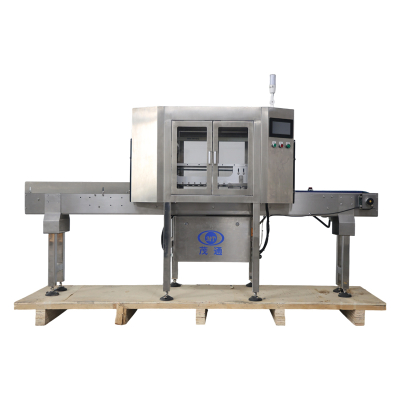
Can Code Inspection Machine Keeps Lines Moving
In high-speed beverage production, a small coding error can create a large traceability problem. A Can Code Inspection Machine is designed for online inspection of inkjet printing on can bottoms, helping identify defective or missing codes and reject unqualified cans without physical contact with the can body. By integrating fast optical imaging, OCR, and encoder tracking, a Can Code Inspection Machine keeps up with the real tempo of modern canning lines and turns every printed code into a reliable data point.
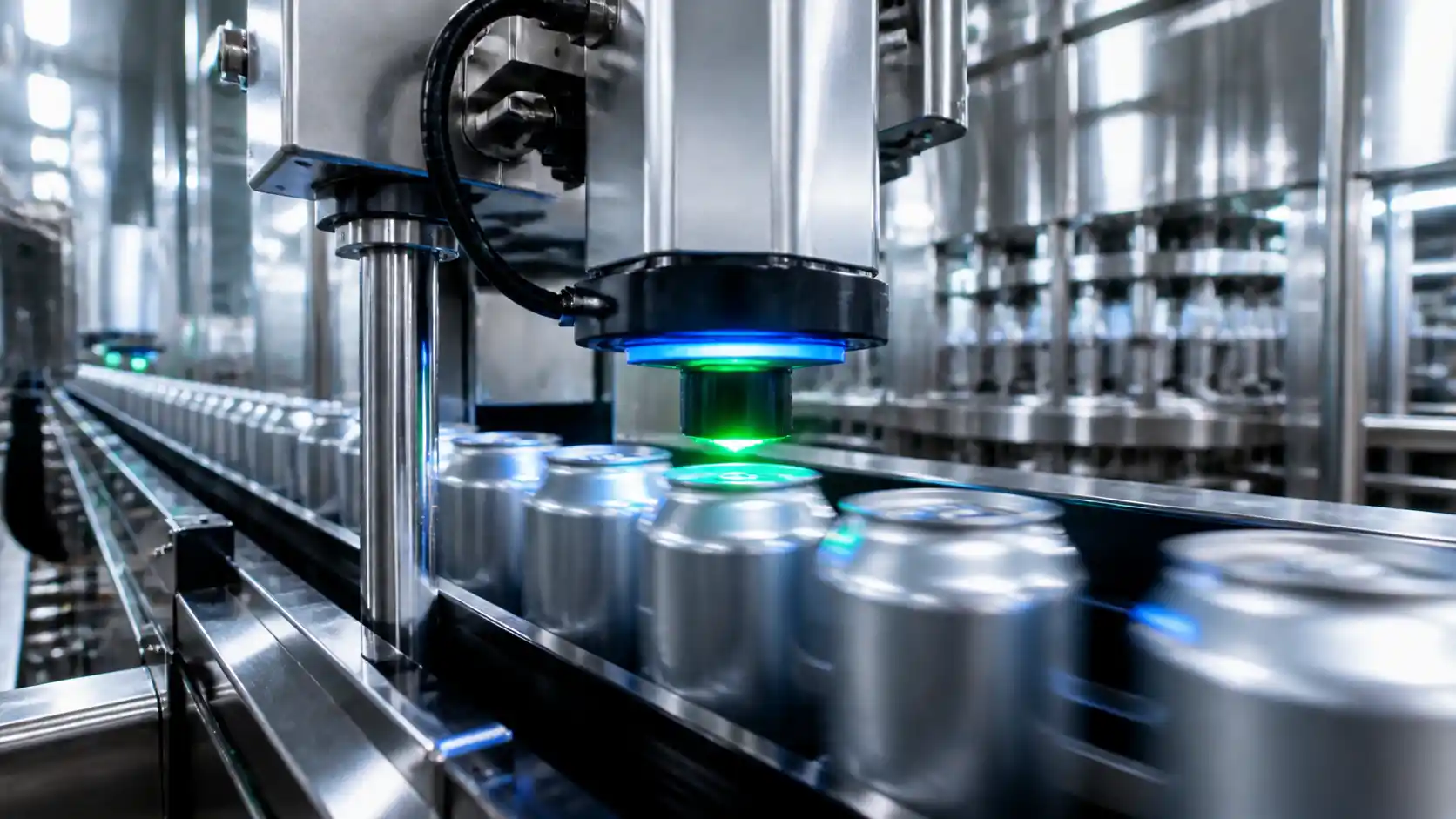
Why Can Code Inspection Matters
For beverage manufacturers, printed codes are more than simple markings. Date codes, factory identifiers, “Qualified” marks, and anti-counterfeiting codes support product tracking, quality control, and batch management. When a recall or complaint happens, these tiny inkjet codes often become the only bridge between a single can on the shelf and the exact filling shift, line, and recipe behind it.
A Can Code Inspection Machine gives production teams a practical way to check these markings in real time, especially where manual inspection cannot keep pace with continuous can movement. Instead of relying on random checks, operators gain 100% inline coverage of every can passing through the inspection area. By catching missing, blurred, or incorrect codes immediately, the Can Code Inspection Machine helps protect brand reputation, supports regulatory compliance, and reduces the risk of large-scale rework caused by undetected coding issues.
Inline Detection Workflow
The Can Code Inspection Machine is typically installed close after the inkjet printer. When each can passes the positioning sensor, the control unit records its identification number and encoder signal. A Gigabit Ethernet digital camera captures the code image from above, and image processing algorithms analyze the printing result with OCR-based pattern recognition. The inspection result is displayed on the HMI and sent to the control unit. If the can is unqualified, the rejector removes it at the corresponding position, ensuring only cans with correct codes move on to packaging and palletizing.

This encoder-based synchronization is important because canning lines may speed up, slow down, stop, or restart. The Can Code Inspection Machine is designed to maintain precise rejection under these changing line conditions, matching every inspection result with the correct physical can. That way, even during frequent changeovers or short stops, the machine keeps rejection accurate and stable without manual adjustment.
Performance and Recognition Capabilities
The system supports high-speed detection up to 72,000 cans per hour, which fits typical high-speed beverage and beer lines. Its recognition functions cover year, month, and day date codes; fixed information such as factory codes TN, HB, GM, and HG; “Qualified” marks; and anti-counterfeiting codes. The Can Code Inspection Machine also supports error correction and automatic date adjustment, reducing routine manual setting work for coding formats that change daily.
Typical inspection targets include:
•Missing, covered, or incomplete inkjet printing
•Blurred codes that are difficult to read
•Incorrect dates, factory codes, or security codes
•Missing character elements greater than 20%
•Position offsets beyond preset tolerance
•Duplicate codes in the inspection area
According to the product parameters, the Can Code Inspection Machine can achieve a false kick rate of ≤0.03%, with rejection rates above 99.99% for several critical defect categories under stated test conditions. This balance between sensitivity and stability helps avoid both obvious leaks (missed defects) and excessive false rejects that would disturb normal production. In practice, that means fewer manual rechecks, less waste of good cans, and more consistent coding quality over long production runs.
Operation and Production Fit
A Can Code Inspection Machine is built for practical plant operation. The HMI supports multi-level access control, so different user roles can access only the functions they need. Fast character training helps operators adapt to different coding formats when changing products, production dates, or factory identifiers. Once a new format is taught, the machine can automatically apply it to future batches.
Defect images are automatically stored by date, supporting later quality analysis and traceability audits. Engineers can filter defect types, review defect pictures, and correlate them with line conditions at the time. The system also includes remote monitoring and control for 24/7 operation, full 360° coding inspection coverage where required by the layout, and zero-delay detection to reduce false rejection caused by line friction, jamming, blocking, or manual can placement.
For integration, the Can Code Inspection Machine is installed closely after the inkjet printer on the can production line, using a compact mechanical frame that fits into most existing conveyors. It can be connected to plant networks, MES, or quality systems to share statistics such as defect rate, code type distribution, and rejection trend, helping teams continuously optimize both coding and inspection.
FAQs
Can the machine inspect cans without touching them?
Yes. The Can Code Inspection Machine uses non-contact inline inspection to avoid damage to the can body and to keep up with high-speed conveyors without adding mechanical stress.
What is the maximum inspection speed?
The Can Code Inspection Machine supports up to 72,000 cans per hour, which covers most mainstream high-speed canning applications in the beverage and beer industries.
Which code types can it recognize?
It can inspect date codes, factory codes, “Qualified” marks, fixed information, and anti-counterfeiting codes, as well as detect missing or shifted characters within these marking patterns.
Does it store defect records?
Yes. Defect photos are automatically saved and organized by date, with adjustable retention periods. Operators can trace back historical alarms, export images, and use these records during internal audits or customer complaints.
Where is it installed?
The Can Code Inspection Machine is installed closely after the inkjet printer on the can production line. This ensures that any issue in the inkjet process is detected immediately, and unqualified cans are rejected before they enter downstream packaging equipment.