Empty Can Inspection Machine Protects Filling Lines
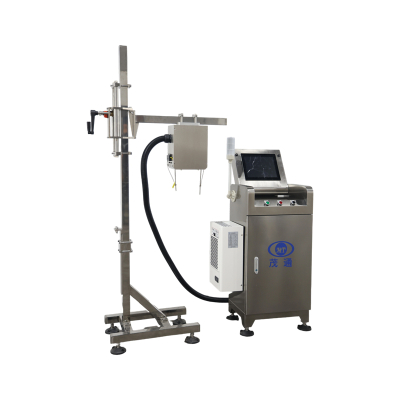
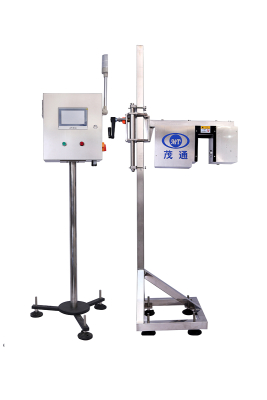
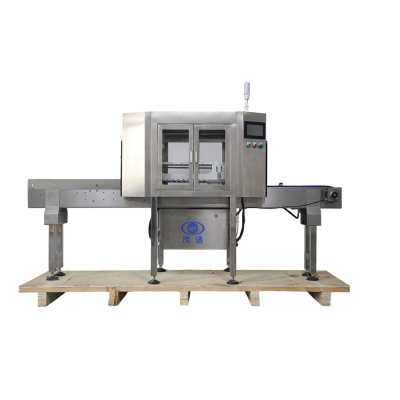
An Empty Can Inspection Machine is most valuable when it removes damaged or contaminated cans before they reach the filler. At Jinan Maotong Inspection, the MT-YLG-KG-C1-01 empty can detector is designed for two-piece cans on single-lane production lines with speeds up to 1000 cans per minute. Installed before the filling machine, it inspects can mouth deformation, tearing, V-notch edges, flaps, dents, body contamination, and internal foreign matter, then automatically rejects defective cans online.

Why Inspection Before Filling Matters
On high-speed canning lines, a defective empty can can create problems after filling, sealing, or conveying. Discussions around empty container inspection often focus on preventing filler jams, product leakage, contamination risk, and unnecessary downtime. For two-piece cans, the mouth area is especially important because deformation, tearing, V-shaped notches, or flaps can affect downstream handling and sealing consistency.
The Empty Can Inspection Machine addresses this stage directly. Instead of waiting until the container has already moved into later production steps, the system performs non-contact online inspection before the filling machine. This makes it suitable for production teams that want clear, real-time visibility into empty can condition while maintaining a line speed of up to 1000 cans/minute.
Core Equipment Parameters
| Item | Specification |
|---|---|
| Equipment name | Empty Can Detector |
| Model | MT-YLG-KG-C1-01 |
| Quantity | One set |
| Inspection capacity | 1000 cans/minute |
| Applicable container | Two-piece cans |
| Container volume range | 100 mL – 600 mL |
| Installation position | Single-lane conveyor before the filling machine |
| Power supply | 220V, 50Hz, single-phase |
| Total power consumption | Approx. 1.0 kW |
| Control voltage | 24VDC |
| Noise level | ≤85 dB, depending on container type, load, and acoustics |
The equipment uses machine vision technology for fully automatic, non-contact online inspection. For buyers comparing an Empty Can Inspection Machine, these parameters help define whether the machine can match line speed, container type, installation space, and plant operating conditions.
How the System Tracks and Rejects Defective Cans
The inspection sequence is designed around can tracking. First, a positioning sensor detects each incoming can, records the can ID, and synchronizes encoder data through the control unit. The sensor then triggers the camera to capture an image of the current empty can. The image processor analyzes the captured data and sends the result to the HMI for real-time display, while also sending rejection information to the control unit.
When a can is judged defective, the PLC activates the rejector and removes the corresponding can according to the recorded ID. This ID-based sequence is important because inspection and rejection occur at speed; the Empty Can Inspection Machine must match the detected defect to the correct physical can on the conveyor.

Defects Covered by the Inspection Module
The system is built to inspect major empty can defects that may affect quality or line stability. The inspection scope includes the can mouth, can body, inner surface, bottom area, and structural integrity.
| Detection area | Defect type or condition |
|---|---|
| Can mouth | Curling notch, deformation, depression, ovality |
| Can mouth edge | Tearing, V-notch edges, flaps, dirt on the can edge |
| Can body | Dents, scratches, external contamination, deformation |
| Inner wall | Dirt or contamination on the inner wall |
| Can bottom | Foreign matter, opaque matter inside the bottom ring, hole in the bottom |
| Structural condition | Under-pressurized or collapsed cans |
For specified defect items, the inspection details include examples such as a 1 mm × 1 mm can mouth curling notch, flange deformation with upward or downward protrusion height ≥2 mm or horizontal length ≥4 mm, and foreign matter examples of 3 mm × 3 mm with thickness ≥1 mm in relevant bottom or inner wall positions. The documented rejection rate for listed defect categories is ≥99.9%, with a false rejection rate of ≤0.05% stated for the can mouth curling notch item.
Installation Conditions Buyers Should Confirm
A stable installation environment is essential for any Empty Can Inspection Machine. The required operating altitude is 5–3000 m, ambient temperature is 5°C–40°C, and relative humidity is 50%–65% RH. The factory floor must meet national standards for flatness and load-bearing capacity, while equipment and components should be properly stored, lubricated, and protected before installation.
The conveyor condition is especially important. The customer site must provide a 2 m straight conveyor section, and cans should maintain an approximate 2 cm gap without being squeezed, compressed, or overlapped. This spacing condition supports stable image capture, correct can tracking, and reliable online rejection.
Practical Buyer Checklist
Before selecting or commissioning an Empty Can Inspection Machine, confirm the following:
FAQs
What containers does this Empty Can Inspection Machine support?
It is suitable for two-piece cans, with a documented container volume range of 100 mL – 600 mL.
Where should the machine be installed?
It is installed on the single-lane conveyor before the filling machine, where empty cans can be inspected before entering the filling stage.
What defects can it inspect?
It inspects mouth deformation, tearing, V-notch edges, flaps, dents, body contamination, internal foreign matter, and related structural defects such as collapsed cans.
What conveyor condition is required?
A straight 2 m conveyor section is required, and cans should keep about 2 cm spacing without compression or overlap.